Portuguese
  Spanish


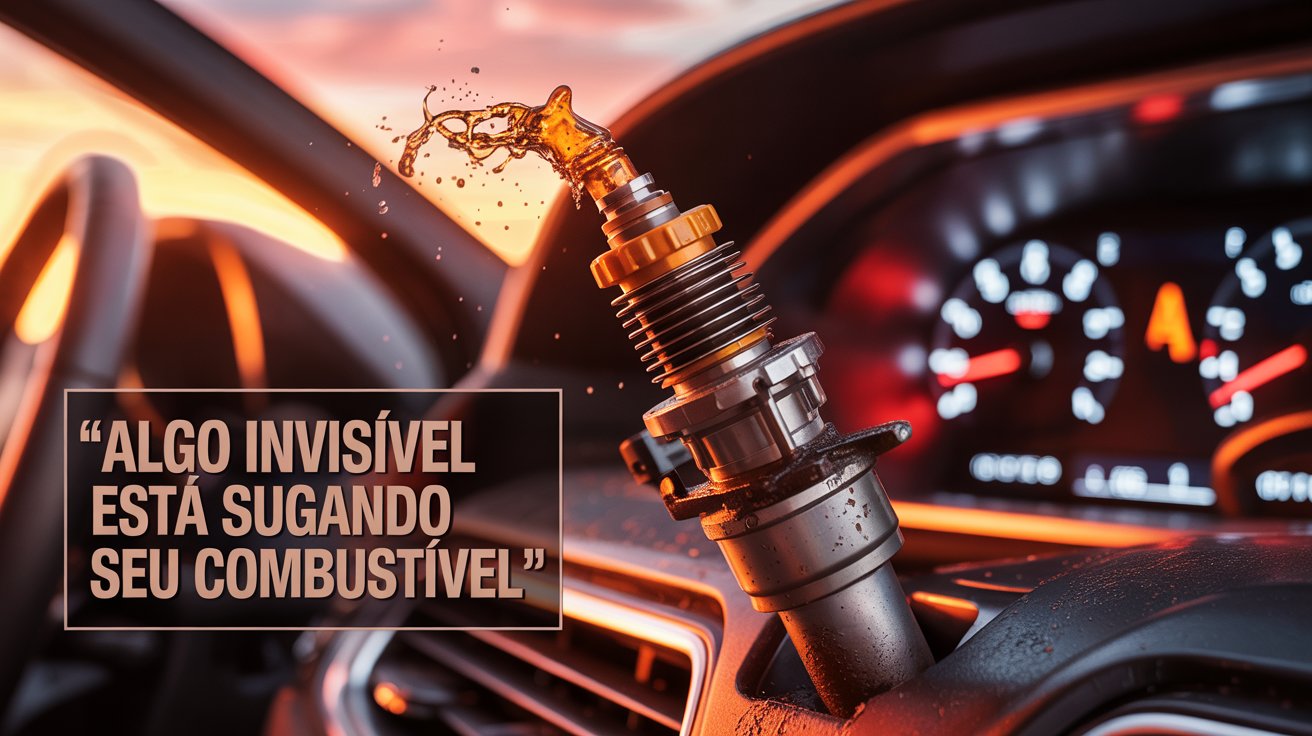

Dirty fuel injectors directly affect engine performance, increase fuel consumption, and cause silent damages that can be avoided with simple maintenance, but little known by most Brazilian drivers who use flex cars daily.
Do you fuel up frequently, keep up with maintenance, and still feel your car stalling or consuming more than usual?
The reason may lie where few drivers pay attention: to dirty fuel injectors. This discreet yet vital component for the proper functioning of the engine can cause loss of power, increased consumption, and even seize the injection system.
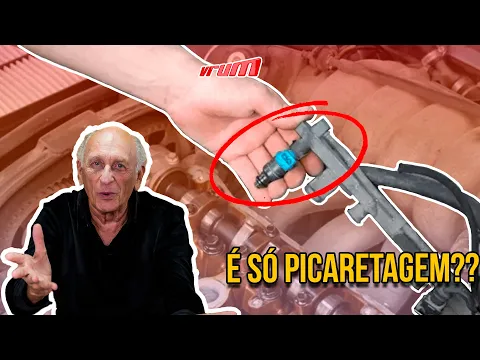
The fuel injectors are responsible for spraying fuel directly into the combustion chamber.
-
Cold War Secret Plane Lost Engine Mid-Flight, Forcing Six to Parachute in Darkness; Wreckage Remains in Death Valley Mountains 73 Years Later

-
Opened in 1980, Shopping Recife was Pernambuco’s first mall and helped transform Boa Viagem into a bustling and sought-after district in southern Recife.
-
Tired of Monthly Water Supply, South African Villagers in Limpopo Connect Mountain Spring to Taps, Bringing Water to 5,000 People with $700 Initiative

-
Rare Case of Neurocysticercosis in Spain: 60-Year-Old Man’s Suspected Brain Cancer Turns Out to Be Tapeworm Cysts, Avoiding Invasive Cancer Treatments





Over time, residues present in gasoline or ethanol, along with accumulated dirt from the system itself, can compromise this spraying.
When this happens, the fuel is not burned correctly, demanding more from the engine and harming overall performance.
How to Identify a Problematic Fuel Injector?
Some of the most common signs include:
- Loss of power during starts and accelerations
- Engine misfires or stuttering during acceleration
- Higher than usual fuel consumption
- Difficulty starting, especially with a cold engine
- Irregular gas emissions or a strong smell from the exhaust
Many of these symptoms are confused with other issues, such as a worn spark plug or a faulty coil.
Therefore, a diagnosis performed by an automotive scanner at a specialized workshop is essential to determine if the problem is indeed with the fuel injectors.

What Causes Dirt in the Injectors?
According to electronic injection specialists, the main factors contributing to clogging or malfunctioning of the injectors are:
- Poor fuel quality
- Prolonged use of expired gasoline or ethanol
- Natural accumulation of residues in the combustion chamber
- Lack of regular inspections of the injection system
Additionally, using additives without guidance may exacerbate the issue, as some products may not be compatible with the type of engine or injector, leading to more dirt deposits.
When to Clean the Fuel Injectors?
The average recommendation is that the cleaning of the injectors should be done every 30,000 kilometers, but this number may vary depending on the car model and usage.
Those who drive frequently in the city with low-quality fuel may need to bring maintenance forward.
There are two common types of cleaning:
- Additive Cleaning: done with products applied directly to the fuel tank. It is preventive but not always effective when the injectors are already blocked.
- Ultrasonic Cleaning: more thorough, requires removing the injectors, which are subjected to ultrasonic vibrations in a tank with chemical solution. It is the most recommended for persistent dirt cases.
“Using additive is useless if the injector is completely clogged. In such cases, only deep cleaning resolves,” explains Alexandre Turini, an electronic injection technician consulted by Quatro Rodas magazine.
How Much Does This Maintenance Cost?
The cost of ultrasonic cleaning ranges between R$ 150 and R$ 350, depending on the city and type of engine. Replacing a fuel injector can exceed R$ 600, if the component is damaged.
In imported or turbocharged vehicles, the cost can be even higher.
Therefore, keeping the injectors clean can prevent much larger expenses in the future. In addition to the direct savings on fuel, the car benefits from improved performance and reduced emissions.

Conscious Fueling Makes a Difference
Avoiding suspicious gas stations and always asking for a receipt are basic actions that help preserve the injection system.
Adulterated fuel is one of the main causes of injector clogs in Brazil, according to data from the National Agency of Petroleum (ANP).
The ANP conducts regular inspections and maintains a ranking of gas stations penalized on its official website. Consumers can also anonymously report irregularities.
Is There a Risk of Engine Damage?
Yes. In extreme cases, dirty fuel injectors can cause engine overheating, as the fuel is not sprayed correctly, and part of the air-fuel mixture is burned out of time. This creates pre-ignition and demands extra effort from the pistons.
Additionally, leaky injectors — common in vehicles with prolonged ethanol use — can flood the combustion chamber and impair engine lubrication.
Bonus Tip: Pay Attention to Fuel Consumption
If the car suddenly starts using more fuel, and without any changes in route or driving style, this is one of the first signs that there may be dirt or a fault in one or more injectors. The sooner the diagnosis is made, the lower the cost to resolve.
“Electronic injection is a precise system. Any variation in the injectors disrupts the entire functioning of the engine,” emphasizes mechanic José Inácio, from the authorized Bosch Service workshops.
With so many direct impacts on your wallet and performance, it’s worth paying more attention to these small components that work silently under the hood. After all, do you know how your car’s fuel injectors are doing?