






 Portuguese
  Spanish


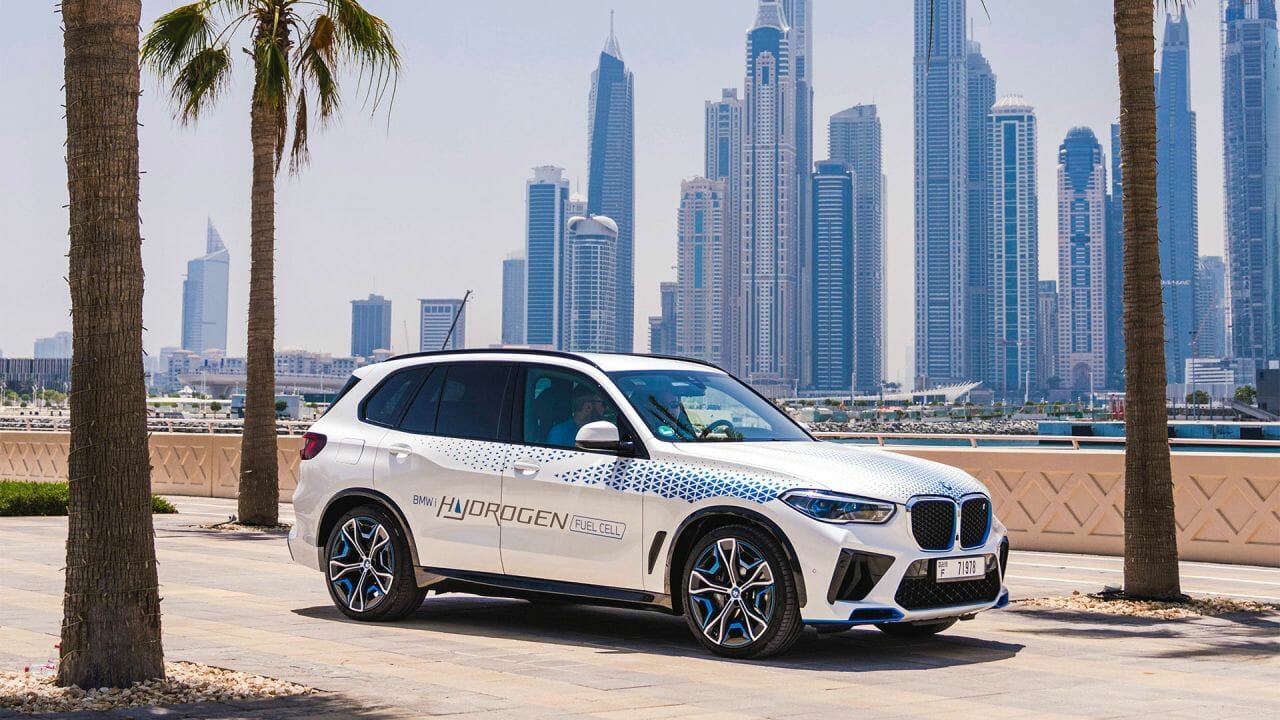

With these bold steps in innovation and adaptation to consumer needs and infrastructure standards, BMW seems to be on the right track to establish the iX5 Hydrogen as a key player in the future of sustainable mobility.
In a bold move to prove the potential of using hydrogen as an alternative fuel, BMW took its iX5 Hydrogen model to the hot extremes of the United Arab Emirates. The results? Nothing short of impressive.
Performance in Extreme Climates
After undergoing tests in the harsh winter of Arjeplog, one of the coldest regions in the world, the BMW iX5 Hydrogen demonstrated that it is also capable of withstanding extreme heat conditions, with temperatures up to 45°C. “The pilot fleet is being tested worldwide. We are constantly advancing the development of hydrogen fuel cell technology“, BMW said in a statement.
The German automaker is not only focused on testing the vehicle’s endurance. BMW is also supporting the development of a refueling infrastructure, aiming for universal use by cars, vans, buses, and heavy commercial vehicles.
-
They exchanged the idea of a large house for a 35 m² warehouse, spent US$ 12,000 on the structure, and created a tiny house in Colorado with space to live and work.

-
While modern cities rely on pumps and electricity, in Iran, ancient tunnels carried water through the desert using only slope and gravity.
-
Instead of sending families far from the city, a project in Chile intentionally created incomplete houses on expensive urban land and left technical space for each to grow.
-
End of an era in Brazil: beloved sedan by Brazilians is discontinued despite having a 2.0 engine with 151 hp, CVT transmission, 466-liter trunk, and up to 650 km of range.



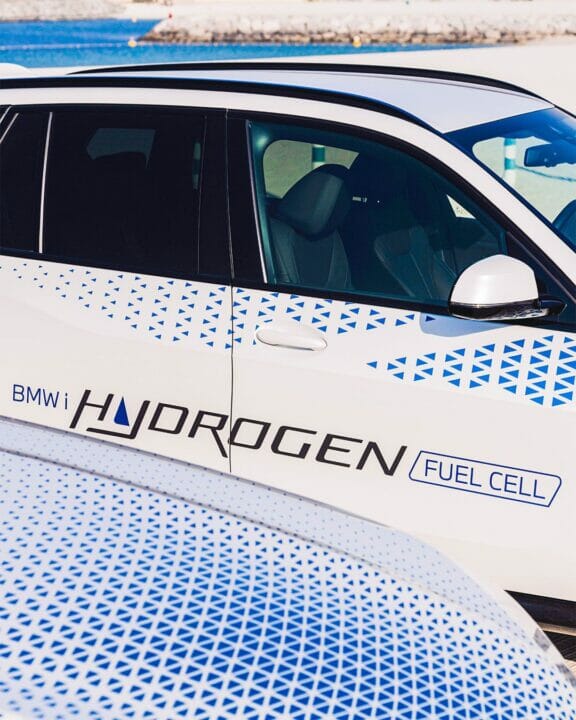
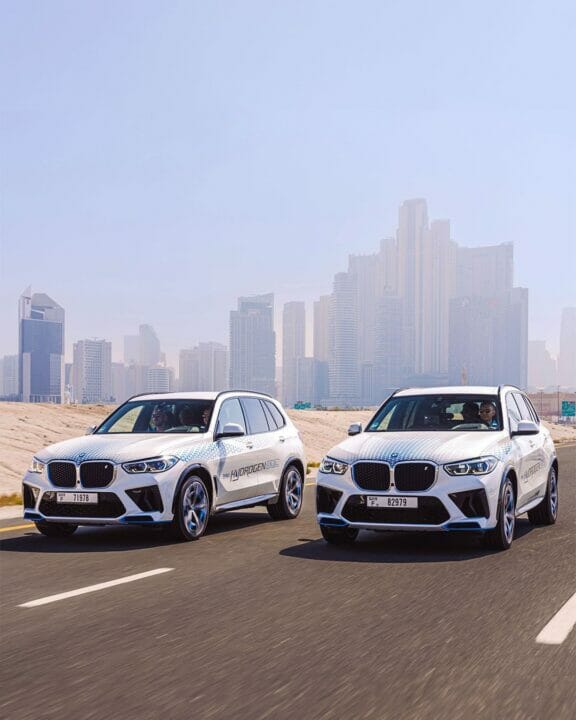
With BMW iX5 Hydrogen, Is the Future Hydrogen?
Oliver Zipse, Chairman of the Board of BMW AG, noted: “Hydrogen is a versatile energy source that plays a key role in the energy transition process and, therefore, in climate protection.”
According to the information provided, the BMW iX5 Hydrogen is also highly suitable for long trips and short refueling stops, standing out as a zero-emission driving option.


