Portuguese
  Spanish


Bill 1405/24, presented by Congressman Clodoaldo Magalhães, proposes to amend the Brazilian Traffic Code to more strictly punish dangerous overtaking and irresponsible driving that have caused or threatened to cause a serious accident. The proposal provides for a very serious infraction, a fine multiplied by ten, suspension of the right to drive for 12 months, and doubled punishment in case of recurrence.
Bill 1405/24, which proposes harsher punishments for dangerous overtaking and irresponsible driving, is stalled in the Constitution and Justice and Citizenship Committee of the Chamber of Deputies, awaiting the appointment of a rapporteur.
Presented on April 23, 2024 by Congressman Clodoaldo Magalhães (PV-PE), the text intends to add article 205-A to the Brazilian Traffic Code.
The central idea is to classify as a very serious infraction the practice of dangerous overtaking or irresponsible driving that has caused or threatened to cause a serious accident, with potential harm to the lives of those involved.
-
Electric Revolution: Watts W125 Motorcycle Offers 160 km Range, 90 km/h Speed, and Affordable Price Starting at $3,000

-
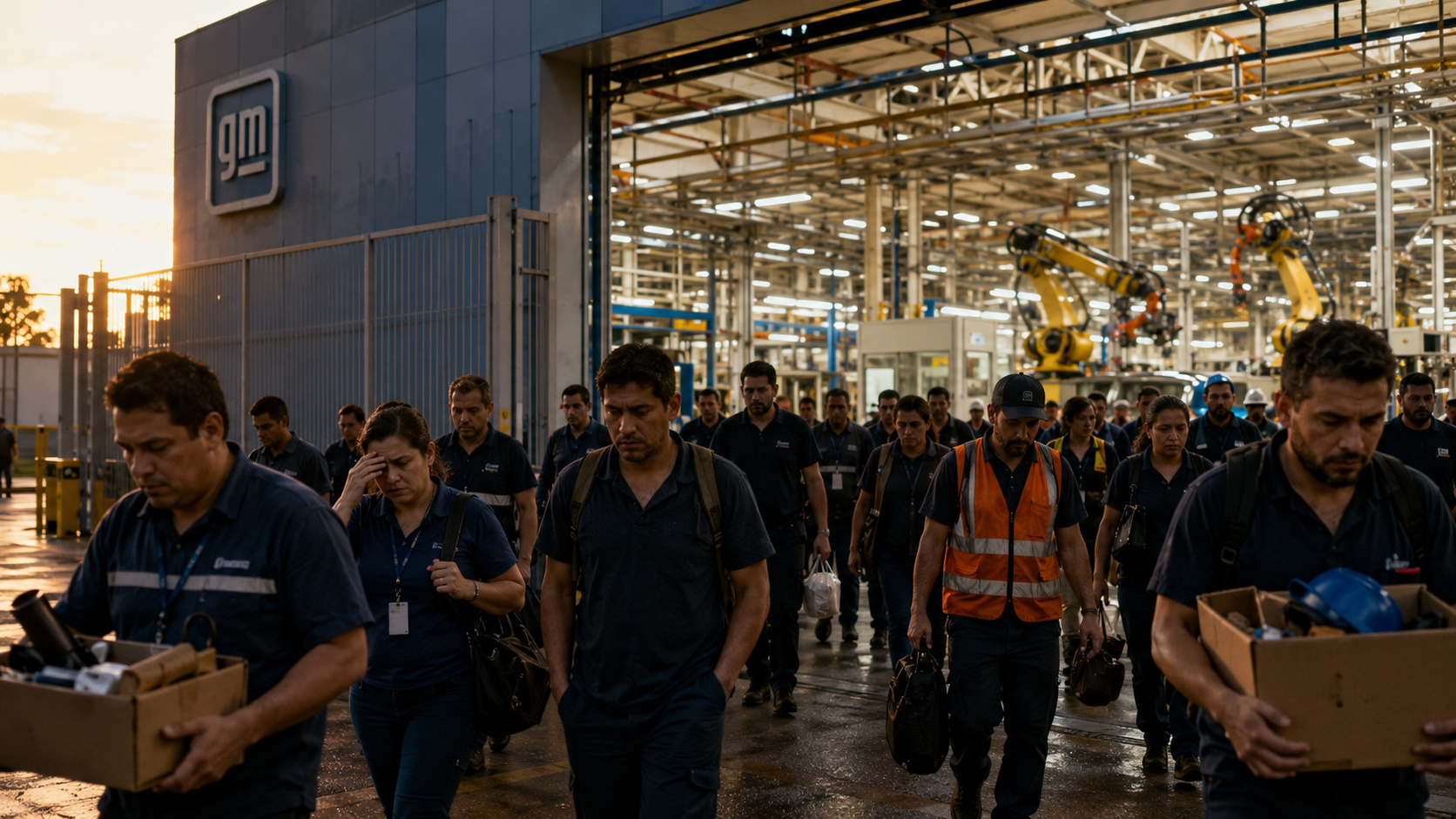
General Motors Replaces Over a Thousand Workers with 50 Cobots at Electric Vehicle Plant, UAW Union Criticizes Move Amid Industry’s Automation Push

-
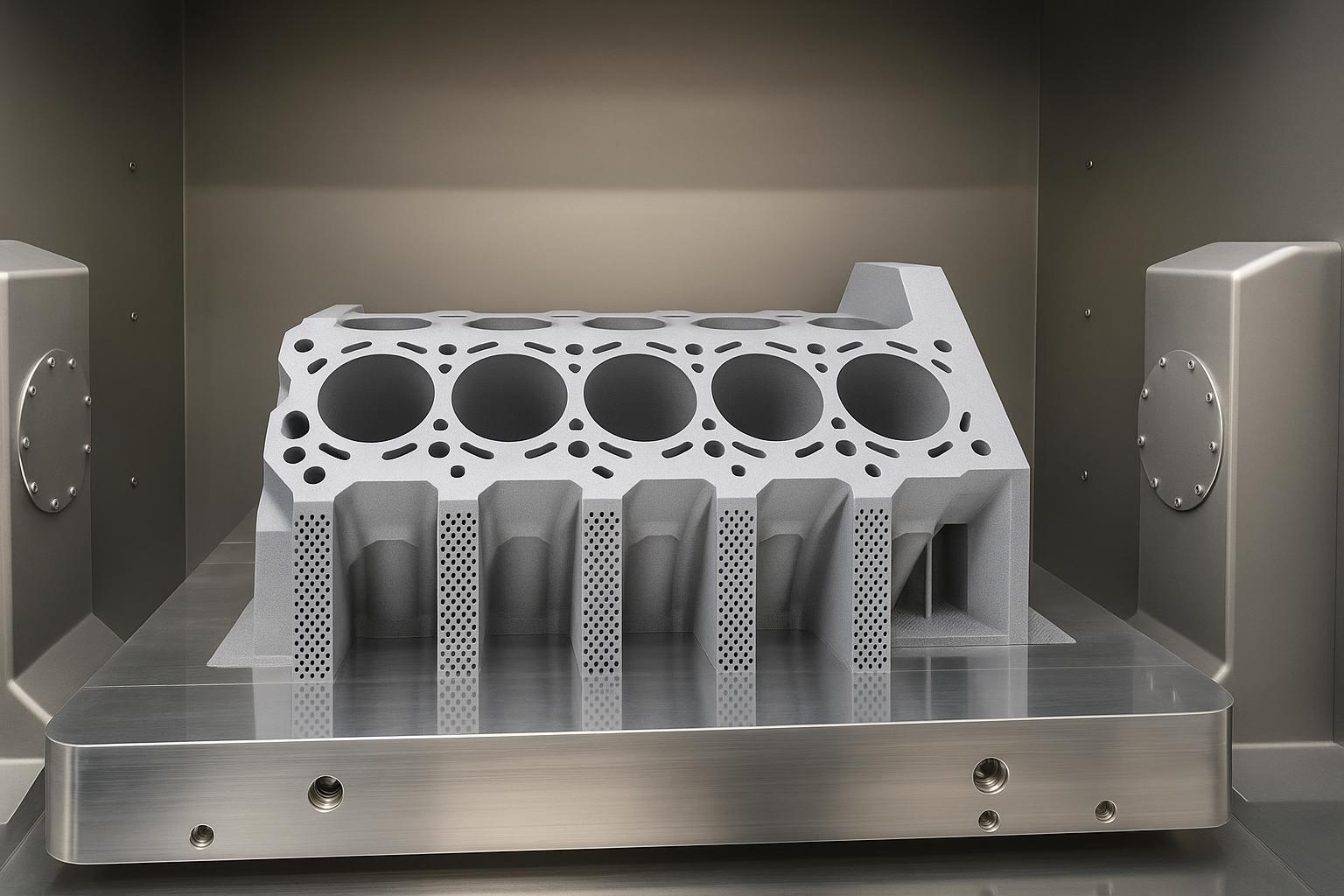
Bosch and Nikon 3D Print Entire Aluminum V8 Engine Block, Sparking New Competition in the Automotive Industry

-
Honda and Nissan Form Alliance to Tackle Competition from Chinese Automakers After $9 Billion Loss


In practice, the project targets behaviors that directly endanger drivers, passengers, pedestrians, and other road users.
The original text defines dangerous overtaking or irresponsible driving as any maneuver in disagreement with the norms of the Brazilian Traffic Code that puts at imminent risk road safety, life, or the physical integrity of people.
What the project provides
According to the text originally presented, the infraction would be classified as very serious. The penalty provided is a fine multiplied by ten, in addition to the suspension of the right to drive for 12 months.
The project also establishes that, in case of recurrence within a 12-month period, the suspension would be applied double.
Another point of impact is the restriction on driving on highways or roads. The project provides that drivers identified as offenders will be prohibited from driving in these locations for a minimum period of two years, counted from the date of the infraction.
The text also addresses cases where the driver is not identified. In this hypothesis, the penalty related to the prohibition of circulation on highways or roads would be applied to the vehicle owner, unless it was proven that the car was under the responsibility of duly authorized third parties.
Additionally, the proposal stipulates that, during the prohibition period, the vehicles involved in the infractions could not circulate on highways or roads, except if they were transferred to another duly qualified owner. You can read the project at this link.
Why the proposal was presented
In the justification, the author states that road safety is a constant concern and that accidents on highways and roads continue to cause deaths and physical and emotional injuries. The project points to dangerous overtaking and irresponsible driving as threats to road safety.
The text mentions maneuvers such as overtaking in prohibited places, at high speed, or without due caution.
According to the justification, this type of conduct endangers not only the driver but also passengers of other vehicles and pedestrians who may be nearby.
The proposal argues that harsher penalties could discourage reckless behaviors. It also advocates for holding the owner accountable when the driver is not identified, as a way to avoid impunity and reinforce the duty to ensure the vehicle is used safely.
Step-by-step of the processing
The PL 1405/24 began its processing on April 23, 2024, when it was presented in the Chamber of Deputies. Three days later, on April 26, the Board of Directors forwarded the project for analysis by the Commission of Roads and Transport and the Commission of Constitution and Justice and Citizenship. The proposal is processed under ordinary regime and is subject to conclusive consideration by the commissions.
On April 29, 2024, the project was received by the Commission of Roads and Transport. On the same day, it was forwarded for initial publication in the Chamber of Deputies’ Journal, with publication on April 30, 2024.
After that, the processing had a new stage on September 25, 2024, when Deputy Rubens Otoni (PT-GO) was appointed rapporteur in the Commission of Roads and Transport.
The next day, a five-session deadline was opened for submitting amendments to the project. The deadline ended on October 29, 2024, without any amendments being submitted.
On March 27, 2025, the rapporteur presented a first opinion for the rejection of the proposal. However, this opinion was not the text that ended up advancing. In April, the project was removed from the agenda in committee meetings due to the absence of the rapporteur.
The change came on April 24, 2025, when Rubens Otoni presented a new opinion, this time for the approval of the project with a substitute. The next day, a five-session deadline was opened for amendments to the substitute, which ended on May 6, 2025, without any amendments being submitted.
Between May and September 2025, the proposal returned several times to the agenda of the Committee on Transportation and Traffic, but was removed from the agenda in different meetings, again due to the absence of the rapporteur.
This occurred on dates such as May 21 and 28, June 17, July 2 and 9, August 13 and 27, September 3, 10, and 17, 2025.
The approval in the Committee on Transportation and Traffic occurred on September 24, 2025. In the meeting, the rapporteur’s report was read by Deputy Jonas Donizette and approved by the committee. The official record of the Chamber notes that the approved report was for the approval of the proposal with a substitute.
On October 1, 2025, the report of the Committee on Transportation and Traffic was received for publication and forwarded to the Chamber of Deputies’ Journal. The following day, October 2, 2025, the project was received by the Committee on Constitution and Justice and Citizenship.
What is the current situation
The most recent situation recorded by the Chamber shows that PL 1405/24 is awaiting the appointment of a rapporteur in the Committee on Constitution and Justice and Citizenship.
This is the stage where the proposal must undergo analysis of constitutionality, legality, and legislative technique before it can advance.
Therefore, until the most recent update of the progress record, the project has not yet been definitively approved and is not in effect. To become law, it still needs to complete its analysis in the Chamber and follow the necessary legislative procedures, according to the progress of the proposal.
The entire history of the project’s progress can be accessed at this link.