Portuguese
  Spanish


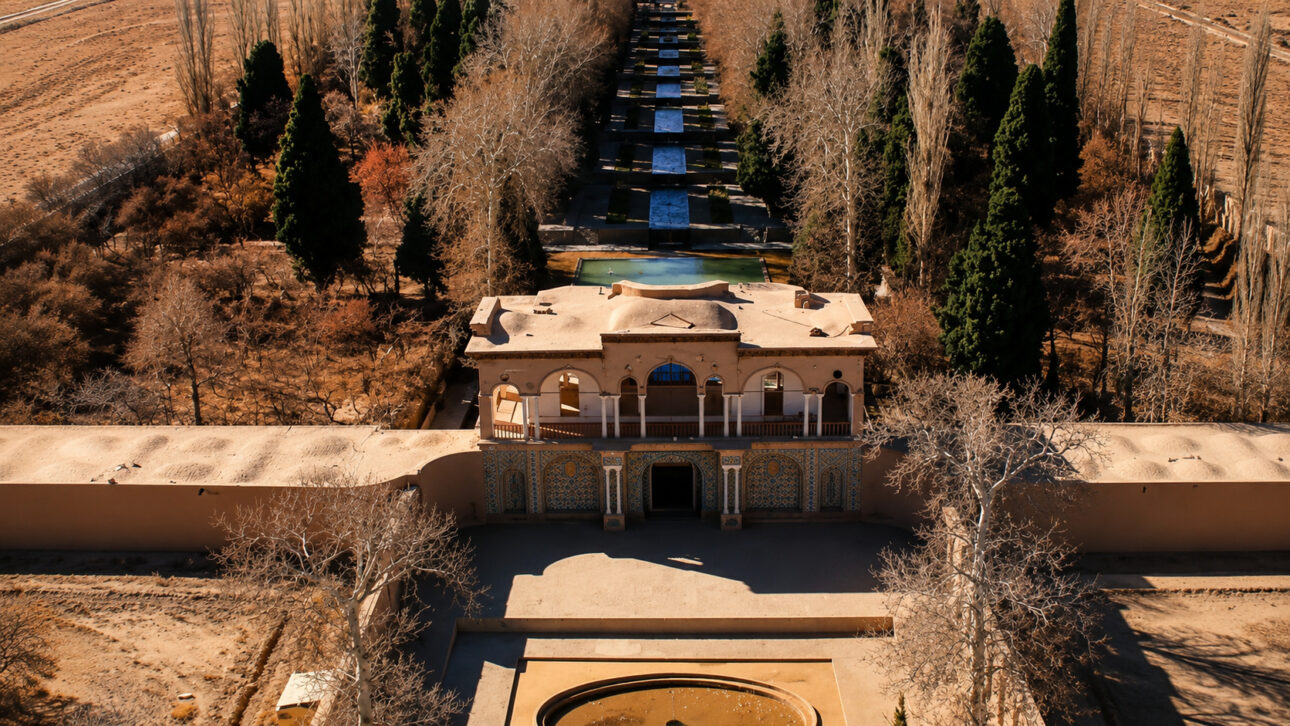
Persian qanats show how water in the desert could reach plantations through underground tunnels, with less evaporation loss and without using pumps.
While modern cities rely on pumps and electricity, in Iran the Persian qanats already carried water across the desert using only gentle slope and gravity through their tunnels.
The solution seemed invisible to those looking from afar. On the surface, a row of wells appeared in the middle of the arid area. Underground, however, these accesses were part of a subterranean supply network.
The information was released by UNESCO, the UN organization for education, science, and culture. The system shows how ancient engineering took advantage of the terrain to conduct water to agricultural areas and permanent settlements in Iran.
-
In the land of soybeans, Sinop’s first 42-story skyscraper will consume 1,900 truckloads of concrete and 350,000 kilograms of steel, with a foundation of 50 meters, deeper than that of the future “tallest building in Brazil” in Balneário Camboriú.

-
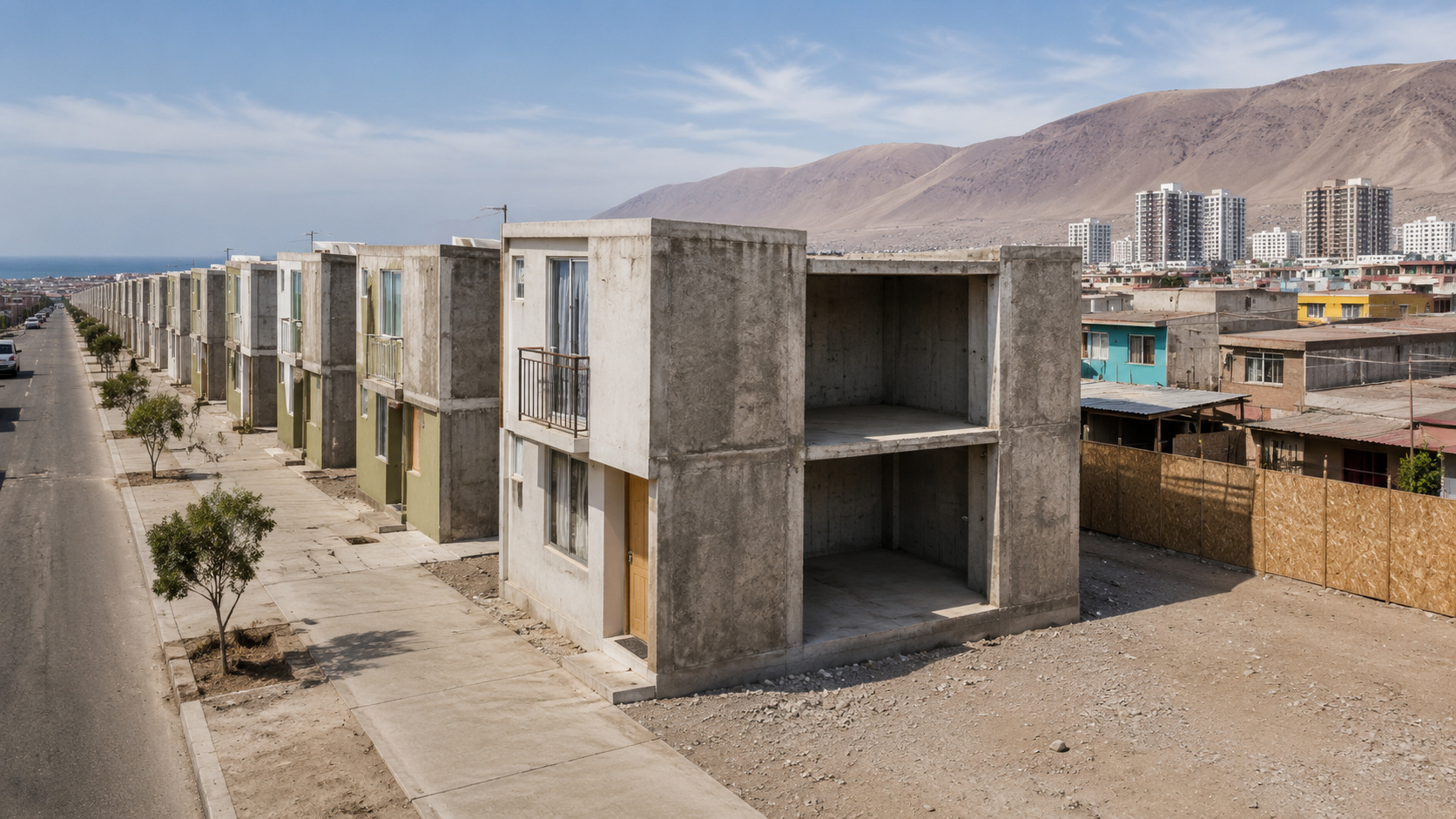
Instead of sending families far from the city, a project in Chile intentionally created incomplete houses on expensive urban land and left technical space for each to grow.

-
EPS duplex house is ready in up to 5 days without conventional pillars and beams: fair in Espírito Santo showcases sand made from mining waste, a 250 m² modular house assembled in 15 days, and technologies that can change the time, cost, and waste on construction sites.

-
Dubai will invest US$ 22 billion in sewage tunnels up to 90 meters deep, replacing pumps with gravity and replacing more than 100 old stations, in an attempt to save a city of skyscrapers, artificial islands, and rapid growth from an underground problem that has already overflowed into the streets.



The invisible aqueduct that passed under the desert
The qanats functioned as hidden channels beneath the earth. They captured water from underground reserves located in higher areas and conducted this flow to regions where there was agriculture and housing.
These reserves are called aquifers. In simple terms, an aquifer is a layer of soil or rock that holds water below the surface.
The big difference is that the water did not follow an open channel under the sun. It passed through a subterranean tunnel, protected from heat and wind, until it reached the distribution point.
Therefore, the qanats are important to understand how ancient peoples dealt with water in arid regions. The central idea was simple, but it required a lot of knowledge of the terrain.
Why the water flowed without pumps and without electricity
The water from the qanats did not need to be pushed by machines. The secret was in the gentle slope of the tunnel, designed to allow the flow to move naturally.
Gravity did the work. The water came from a higher area and slowly followed to a lower area, where it could be distributed for agricultural use.
If the tunnel was too steep, the flow could gain too much force and wear down the structure. If it was too flat, the water might not flow properly.
This precision shows the value of ancient hydraulic engineering. Even without engines, the system relied on calculation, experience, and constant maintenance.
The wells aligned in the desert were not ordinary wells
The row of wells seen on the surface is one of the most curious parts of the qanats. They were not isolated points for water withdrawal but technical accesses connected to the main tunnel.
These wells helped in removing earth during excavation. They also allowed air entry and access for cleaning, repairs, and inspection.


In practice, they functioned as service doors for a buried network. Without these accesses, it would be much more difficult to build and maintain the underground water system.
UNESCO, the UN organization for education, science, and culture, details that each qanat had an almost horizontal tunnel, wells along the way, and an outlet for water distribution.
The water protected underground lost less to heat
In hot and dry areas, water transported on the surface can evaporate before reaching its destination. This means that part of it is lost along the way.
In the qanats, underground transport reduced this exposure. The water remained protected under the earth, away from direct sunlight and constant wind.
This detail made a difference in arid regions, where every volume of water needed to be used carefully. The efficiency was in preserving the resource during transit.
The solution was not a desert miracle. It was a planned infrastructure to reduce losses and allow the use of water where it was most needed.
What Persian qanats teach about water efficiency
The qanats show that a construction does not need to appear gigantic to have a great impact. The structure was almost entirely hidden but helped sustain agricultural areas and homes in a dry climate.
The main lesson is in the intelligent use of the terrain. Instead of spending energy to pump water, the tunnel system organized the path so that gravity guided the flow.
There was also a maintenance logic. The vertical wells allowed for network maintenance, sediment removal, and keeping the tunnel operational for long periods.
The example helps to understand a simple idea: in dry regions, protecting water from heat and reducing waste can be as important as capturing new resources.
The Persian qanats reveal an ancient engineering that combined underground capture, inclined tunnels, maintenance wells, and gravity distribution.
In Iran, this system helped to carry water through the desert without relying on pumps or electricity, showing that water efficiency also comes from the correct design of infrastructure.
Do you believe that ancient solutions like the qanats can inspire modern works to reduce water losses in dry regions of Brazil? Leave your opinion in the comments and share the publication.