






 Portuguese
  Spanish
  4 min of reading
  0 comments


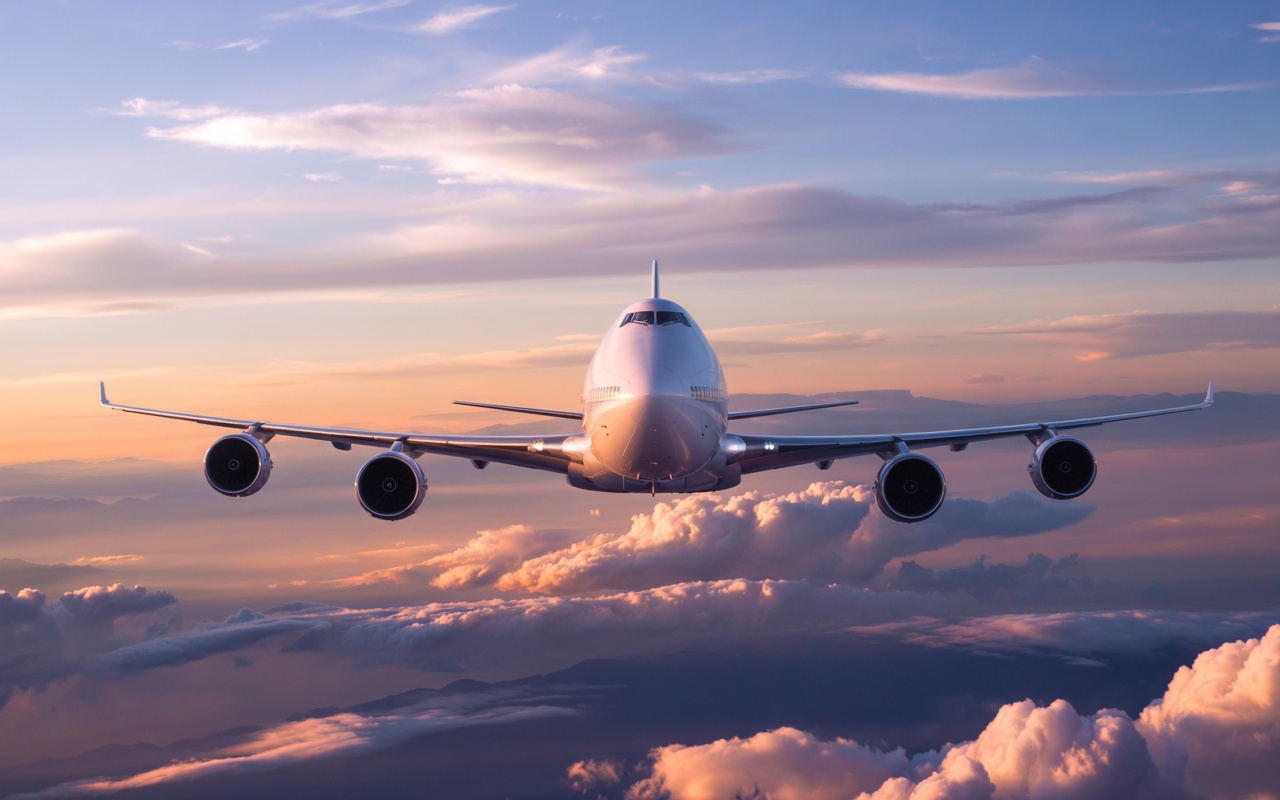
The Boeing 747-400, one of the most iconic airplanes in history, burns up to 10.5 tons of fuel per hour, carries 416 passengers, and continues flying as a freighter on global routes.
The Boeing 747-400 is more than just an airplane: it is a symbol of modern aviation. With four powerful engines, an average fuel consumption of 10.5 tons of fuel per hour, and a capacity for 416 passengers, it helped connect continents and shape air travel as we know it. Today, retired from many airlines, the model continues flying in the cargo sector, keeping alive the legacy of the legendary “Queen of the Skies.”
Boeing 747-400: The Plane That Changed Commercial Aviation
Launched in 1988, the Boeing 747-400 is the fourth generation of the 747 family, a lineage that began in 1969 and revolutionized air transportation. The model was designed to offer more efficiency than its predecessors (747-100, 747-200, and 747-300), while maintaining the robustness of the four-engine design.
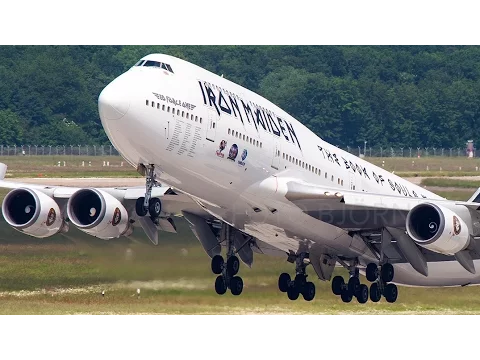

At 70.6 meters in length and a wingspan of 64.4 meters, the 747-400 was the aircraft chosen by airlines such as Lufthansa, British Airways, Qantas, and KLM for intercontinental flights. Its range of 13,450 km allowed for non-stop flights between distant cities, connecting the world in unprecedented ways.
-
Offshore air transport soars in Brazil, surpasses 2.5 million passengers, and reveals how oil has transformed Rio’s airports into key pieces of national logistics.

-
Latin America becomes the “global champion” of aviation taxes, tickets may become more expensive in Brazil, and IATA’s warning exposes risk for flights, tourism, and passengers.

-
Brazil has lost 85 air routes since 2019 and is still flying less than before the pandemic, leaving passengers with fewer destinations, fewer frequencies, and a more limited air network.

-
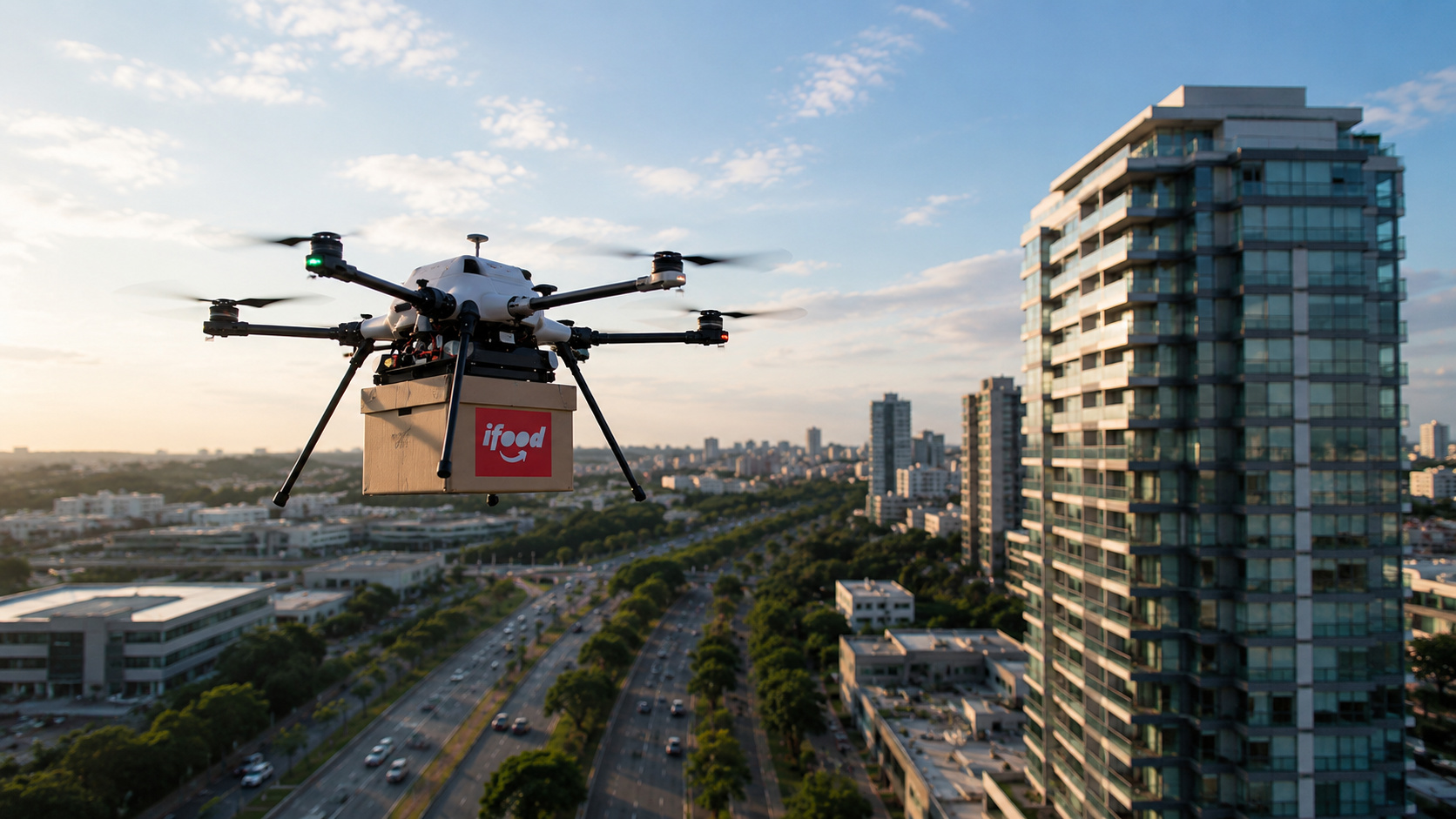
Anac and Decea are behind iFood’s drones in Barueri and explain how aerial delivery got the green light in Brazil, as orders leave the mall, cross the sky in a few minutes, and reveal the behind-the-scenes of new commercial drone deliveries in the country.



Fuel Consumption of the Boeing 747-400
Despite the improvements over earlier versions, the Boeing 747-400 is one of the “thirstiest” airplanes ever built. In cruise, the model consumes up to 10.5 tons of fuel per hour – around 12,600 liters of aviation kerosene.
For comparison, a Boeing 787, a modern twin-engine aircraft, uses approximately 5 tons per hour. This difference helps to explain why so many airlines have retired the 747-400: fuel costs account for up to 40% of the expenses for long-haul operations.
GE CF6 Engines: Power and Consumption
A large part of the consumption is linked to the four General Electric CF6-80C2 engines, which produce around 60,000 pounds of thrust each. The 747-400 can also use Pratt & Whitney PW4000 or Rolls-Royce RB211 engines, all equally powerful.
These turbines were crucial to the model’s success: they allowed takeoffs with a maximum weight of nearly 400 tons and flying across oceans non-stop. But the power of these engines comes at a cost: the fuel burned to keep a giant of nearly 400 tons in the air for 12 to 14 hours straight.

Passenger and Cargo Capacity
In a typical three-class configuration (First Class, Business Class, and Economy), the Boeing 747-400 transported 416 passengers. Some airlines, such as British Airways, used high-density configurations for up to 524 seats.
In addition, the cargo hold of the 747-400 could hold over 20 tons of cargo on passenger flights. This allowed airlines to generate extra revenue by transporting goods, mail, and even large animals.
Why Does the Boeing 747-400 Consume So Much Fuel?
There are two main reasons:
- Four-Engine Design: Four engines mean more power and redundancy but also higher consumption. Modern twin-engine aircraft, like the Boeing 787 and Airbus A350, make the same route using 20% to 30% less fuel.
- Weight and Dimensions: With 181 tons of empty weight and almost 400 tons of maximum weight, the 747-400 is one of the heaviest aircraft ever built. The fuel needed to keep it in flight is proportional to its size.
Current Use: Retired from Passengers, but King of the Cargo Sector
Starting in the 2010s, many airlines began to retire the Boeing 747-400 from commercial flights. High consumption, fleet age, and the arrival of more economical models made the four-engine aircraft unviable for passengers. British Airways, Qantas, KLM, and Delta have withdrawn the model from circulation.
However, the 747-400 has not left the skies. Today, it dominates global cargo transport. Companies such as Atlas Air, Cargolux, UPS, and Kalitta Air continue to use dozens of units. The space and durability of the aircraft allow the transport of luxury cars to racehorses, airplane engines, and heavy industrial equipment.
Curiosities and Legacy of the Boeing 747-400
- “Queen of the Skies”: a affectionate nickname given by the press and pilots.
- First Digital Cockpit in the Series: the 747-400 eliminated the flight engineer and reduced the crew from three to two pilots.
- Hotels and Restaurants: several retired 747s have become hotels, bars, and even tourist attractions in museums.
- Film and Pop Culture: the model appears in dozens of movies, from “The Terminal” to “The Wolf of Wall Street,” solidifying its iconic image.
The Future of the 747-400
The production of the 747 ended in 2023, but the 747-400 will continue flying as freighters for many years. Aircraft in this category can operate 40 to 50 years, and the durability of the model ensures that it will still be seen at airports for a long time.
While airlines invest in more economical aircraft, such as the Boeing 777, 787, and Airbus A350, the 747-400 remains irreplaceable on certain cargo routes. Its fuel consumption is high, but its capacity and reliability make up for it.
Why Does the Boeing 747-400 Still Fascinate?
Even burning 10.5 tons of fuel per hour, the 747-400 has left an indelible mark on aviation history. It represented the peak of international travel, popularized intercontinental flights, and became synonymous with long-range aviation.
Today, it remains an impressive sight: a giant with four engines, carrying hundreds of tons, and reminding the world that efficiency is not always the only goal — sometimes, making history is also important.






Be the first to react!