






 Portuguese
  Spanish
  4 min of reading
  0 comments


The Advancement of Decarbonization of Road Transport and How Brazil Seeks to Reduce Emissions and Drive Its Energy Transition Towards a Sustainable Future.
The decarbonization of road transport represents one of the greatest challenges and, at the same time, one of the greatest opportunities for Brazil in building a sustainable future. Historically dependent on fossil fuels, the transport sector plays a central role in greenhouse gas emissions. However, the country is making progress in a transformation process that combines technology, public policies, and innovation.
Since the early 20th century, Brazil has structured its mobility model based on the use of petroleum-derived fuels. The road expansion, especially in the 1950s and 1960s, consolidated the importance of trucks and cars in transporting goods and people. However, this model has brought increasing environmental impacts. Starting in the 1990s, with the expansion of climate discussions, the need to reduce emissions became a central point in energy and transport policies.
The Role of Bioenergy in the Brazilian Transition
Brazil, being an agricultural and energy power, has found in biodiesel a strategic solution to mitigate the impacts of burning fossil fuels. The introduction of ethanol as an alternative to gasoline in the 1970s and 1980s was a milestone. The National Alcohol Program (Proálcool) established the country as a leader in clean energy production.
-
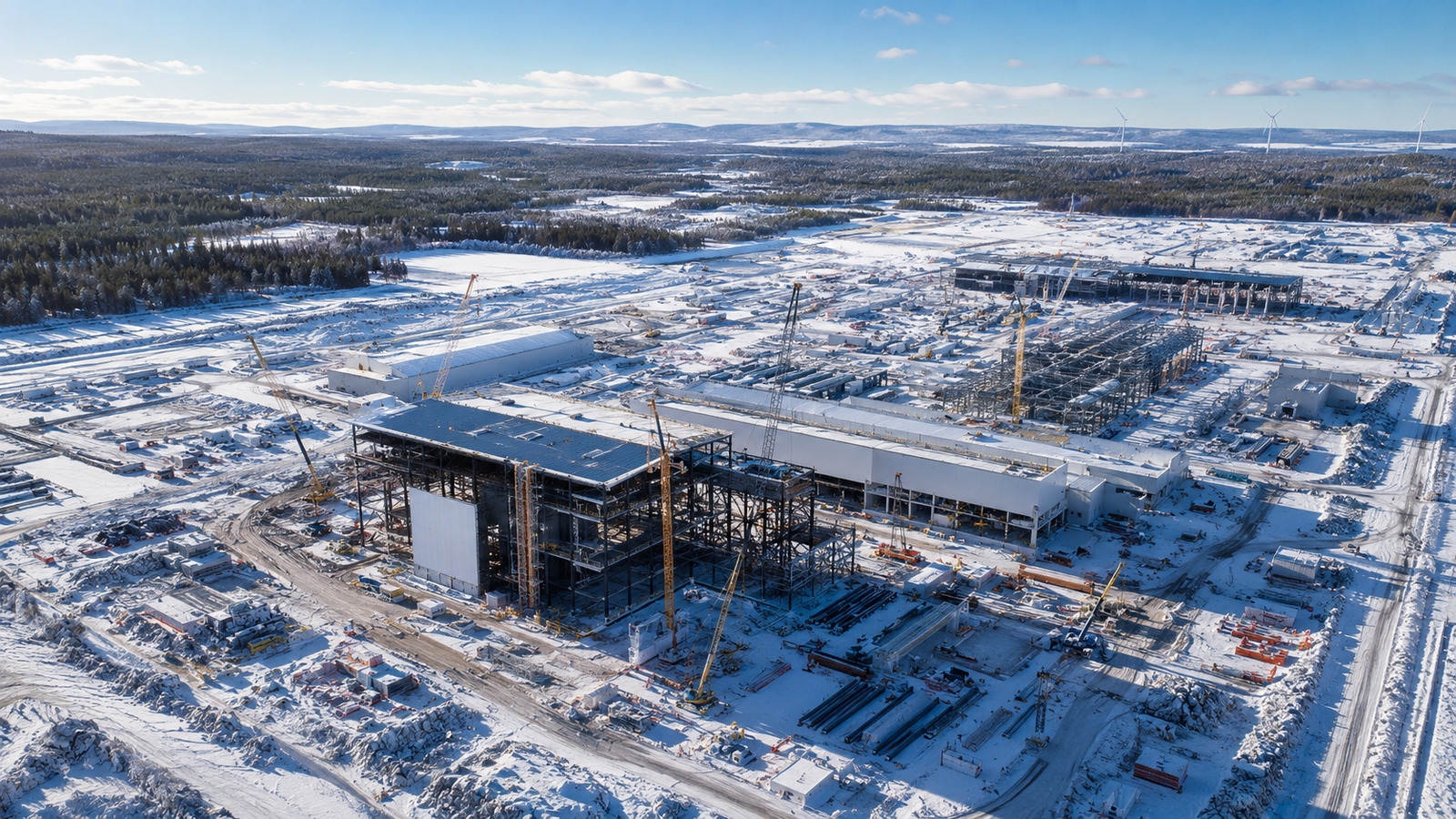
US$ 7 billion, green hydrogen, and steel with up to 95% less CO₂: the first green steel plant on the planet emerges in Sweden and targets Brazil as the next chapter

-
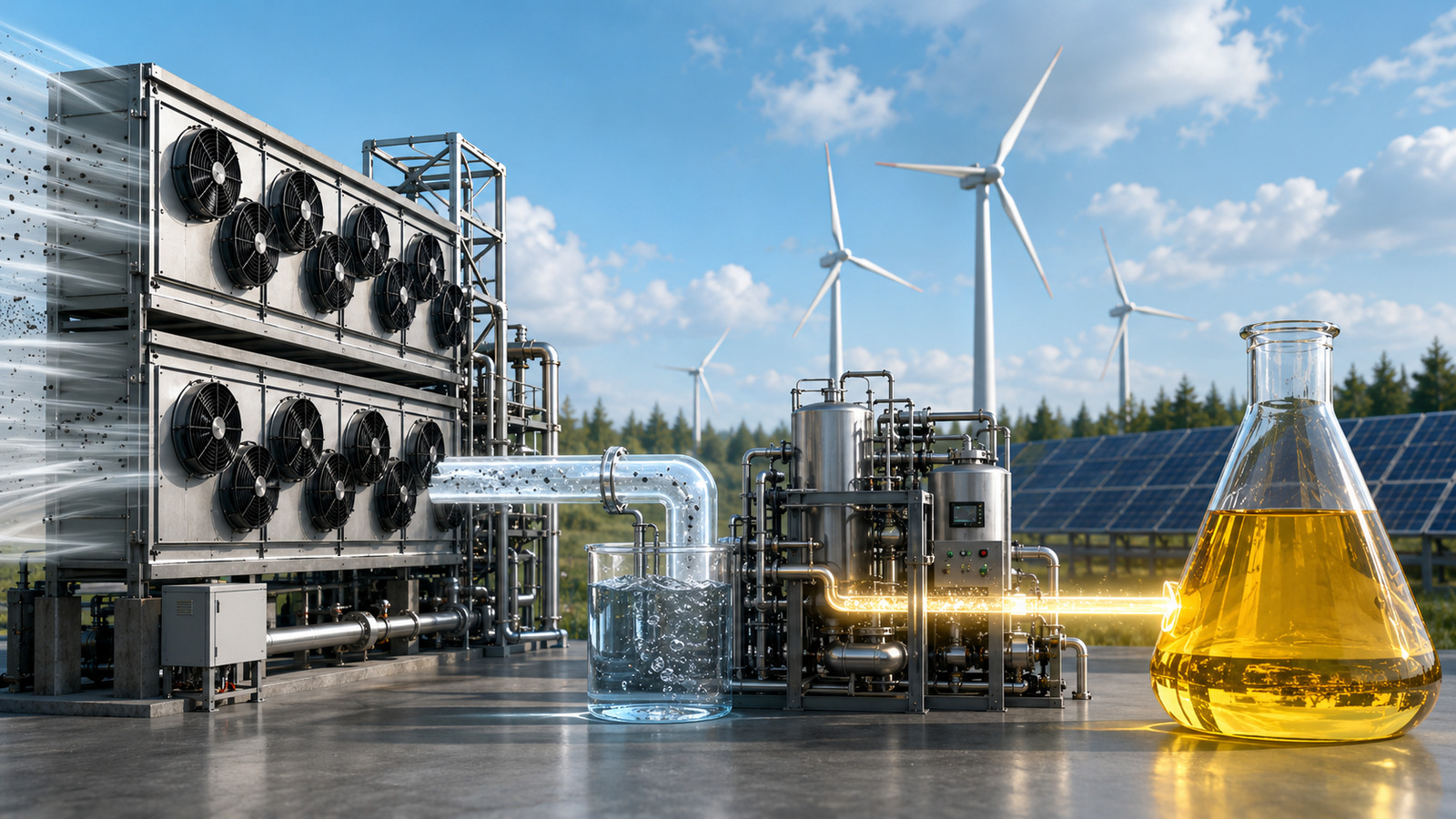
Swedes manage to create synthetic fuel with CO₂, water, and renewable energy, compatible with current engines, but face a huge problem: the energy expenditure is still double the return.
-
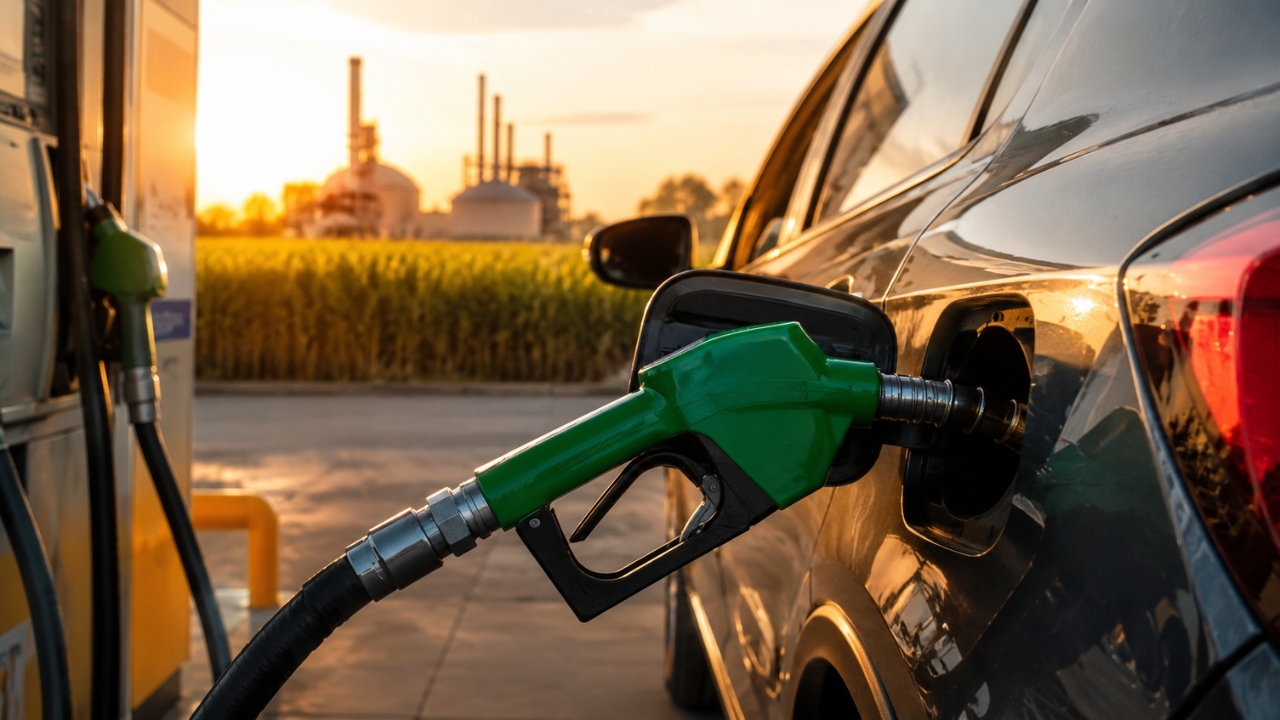
Brazil begins to transform wheat, residues, sweet potatoes, and soy molasses into ethanol, in a new phase of biofuels that seeks to utilize leftovers from the field and industry to fuel flex-fuel cars.

-
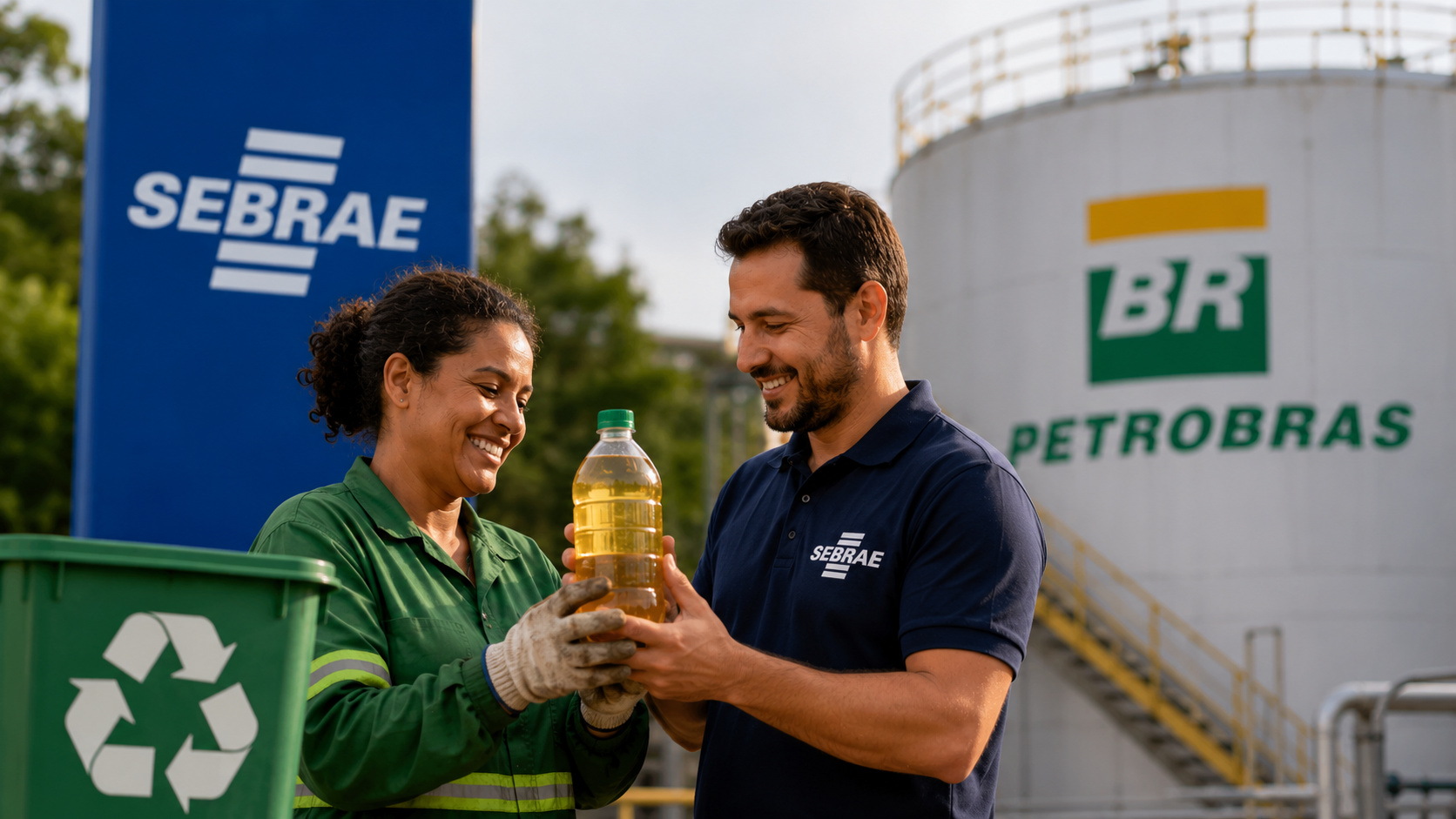
Sebrae and Petrobras join forces in Ceará to include waste pickers in the circular economy and strengthen the biofuel chain, creating new income opportunities and expanding the sustainable use of waste with a direct impact on regional development.

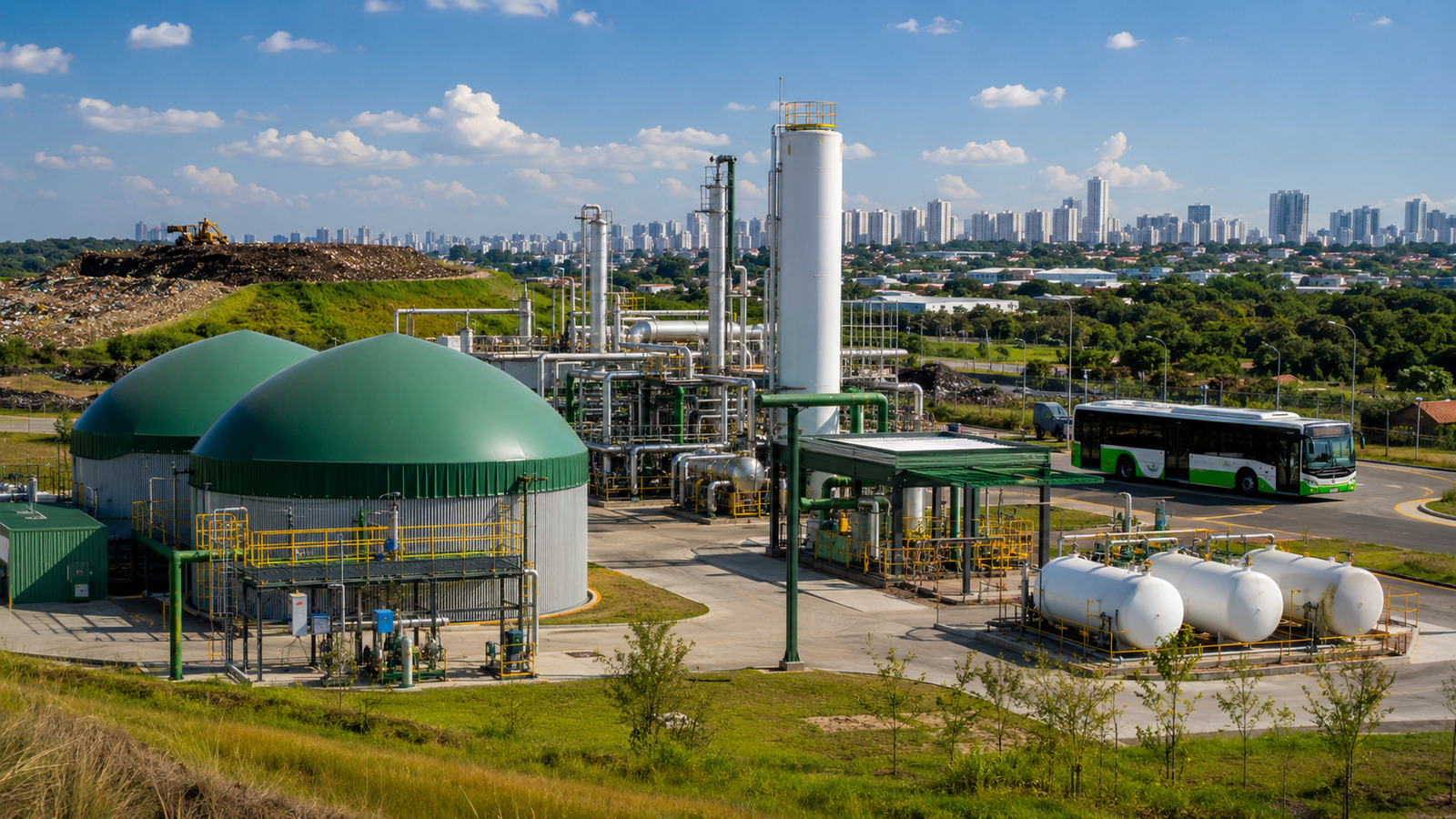
With technological advancement, biodiesel has also begun to play a relevant role. Mixed with fossil diesel, it has reduced emissions and boosted the agricultural sector. Additionally, new sources like biomethane are gaining traction, especially in heavy transport. Logistics and public transport companies are beginning to adopt vehicles powered by this fuel, which is derived from organic waste and has high emission reduction potential.
This combination of solutions reinforces Brazil’s commitment to promoting the decarbonization of road transport without compromising economic competitiveness.
Innovation and Green Infrastructure
The Brazilian energy transition also depends on infrastructure. The expansion of charging points for electric and hybrid vehicles is still a challenge. However, public and private investments have been increasing the availability of clean energy on roads. Major highways already have charging stations and refueling systems with natural gas and biomethane.
Furthermore, advances in engine technology have reduced fuel consumption and pollutant emissions. Domestic and foreign manufacturers are developing more efficient vehicles that utilize everything from hybrid engines to complete electric systems. This technological transformation is connected to a global agenda of sustainability and innovation, consolidating the country as a protagonist in the clean energy scenario.
The digitalization of transport also contributes to efficiency. Tracking tools, smart routing, and preventive maintenance reduce fuel waste and increase productivity. As a result, Brazilian transport is moving closer to a more modern and sustainable model.
Public Policies and International Commitments
The Brazilian government has played an important role in consolidating the energy transition. Programs such as RenovaBio, created in 2017, established goals for reducing emissions in the fuel sector, encouraging the production and consumption of biofuels. Additionally, the country has made international commitments, such as the Paris Agreement, reinforcing its responsibility in reducing greenhouse gases.
These policies aim to balance economic growth and environmental preservation. Over the past few years, new regulatory frameworks have facilitated investments in clean technologies and renewable energy infrastructure. The encouragement of innovation and research has also expanded the presence of startups and companies focused on sustainable mobility.
At the same time, cooperation between public and private sectors has been essential. Sustainable fleet projects, replacement of old vehicles, and logistical modernization are examples of how different actors come together around decarbonization.
The Future of Sustainable Mobility in Brazil
The decarbonization of road transport is an ongoing journey. Although the country has made significant progress, there is still much to be done. The electrification of the fleet is still nascent, and infrastructure needs to expand. However, the combination of renewable energy, biofuels, and technological efficiency points to a promising path.
The development of longer-lasting batteries, the utilization of green hydrogen, and the expansion of the circular economy in the transport sector represent the next steps in this transformation. Thus, Brazil can solidify its position as one of the world leaders in sustainable energy transition.
More than just a trend, the decarbonization of road transport is a commitment to the future. Every technological advance, every new public policy, and every investment in clean energy contributes to building a more efficient and less polluting country.
Over time, the positive impact will reflect not only on the economy but also on people’s quality of life. Sustainable mobility will cease to be a distant goal to become a daily reality on Brazilian roads.
After all, decarbonizing transport is also modernizing the country, making it more competitive, fair, and environmentally responsible. And it is on this path that Brazil continues to accelerate, uniting innovation, awareness, and clean energy towards a low-carbon future.







Be the first to react!