






 Portuguese
  Spanish
  3 min of reading
  0 comments


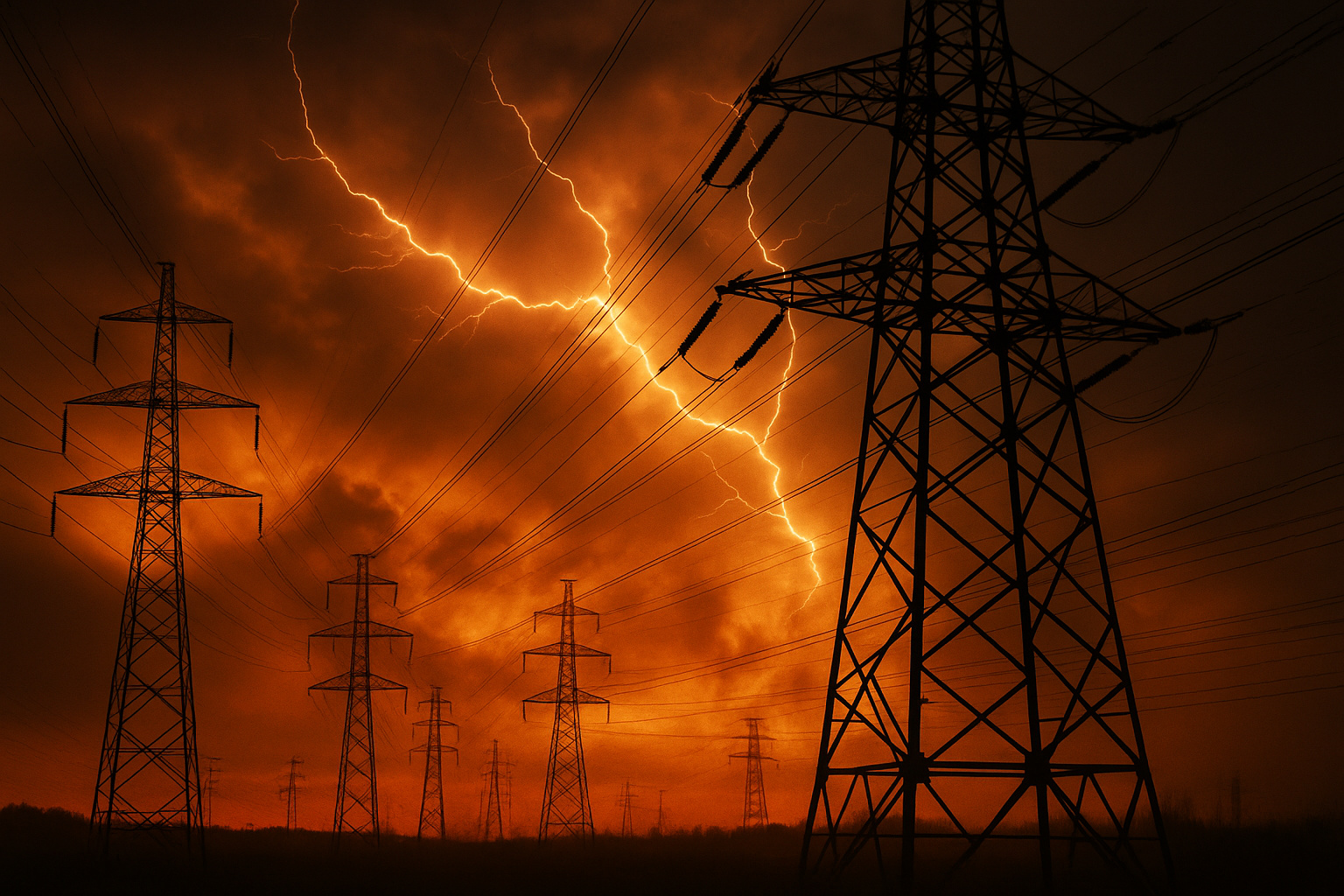
SIN Guarantees Energy Across Brazil, but Recent Failures Show Risks of Electric Interconnection. Understand How the System Works.
Brazil Depends on SIN to Ensure Energy Across the National Territory
The National Interconnected System (SIN) is the backbone of electric energy generation and distribution in Brazil.
Operated by the National Electric System Operator (ONS) and overseen by ANEEL, the system connects almost all energy production in the country, allowing for the exchange of energy between regions and ensuring balance and economy in supply.
Created to ensure stability and efficiency, the SIN operates like a vast energy grid that links hydroelectric, wind, and thermal plants, enabling the excess energy from one area to compensate for the scarcity in another.
-
USP researcher creates thesis to attract international funds for the country’s electric energy sector

-
Trafigura receives authorization from ANEEL to trade electricity in Brazil and expands its operations in the largest energy market in Latin America.
-
Mobile solar panels promised to share space with corn crops, but the 20% to 25% shade reduced production by an average of 7.7% and opened a new dispute between energy and food.
-
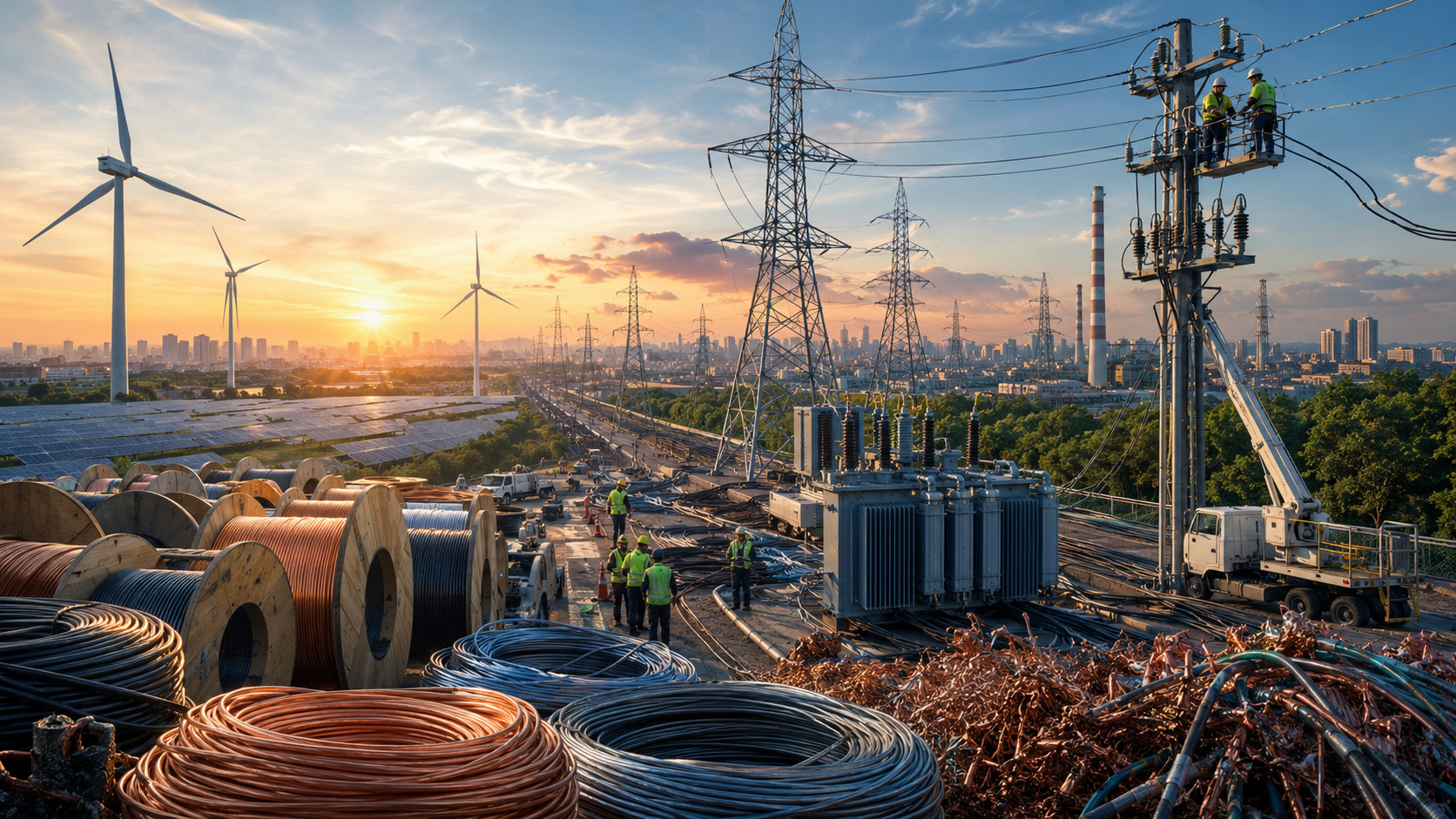
More than 80 million kilometers of wires need to be replaced by 2040: the energy transition doesn’t just depend on panels and electric cars, but on a colossal race for copper, aluminum, transformers, and recycling of old cables.


How SIN Works and Why It Is Essential
The SIN consists of four subsystems — South, Southeast/Central-West, Northeast, and North — that allow the exchange of energy between regions.
The ONS indicates that hydroelectric plants, spread across 16 river basins, remain the main source, but wind and solar sources are gaining traction in the Northeast and South.
Meanwhile, thermal plants, located near urban centers, come into play when there is low hydropower production, ensuring stability.
However, this interconnection, while efficient, increases the vulnerability of the system, as any failure can cause chain reactions.
The National Blackout and the Importance of SIN
In the early hours of Tuesday (14), Brazil experienced a blackout that affected all states and the Federal District, demonstrating how the SIN is vital yet still vulnerable.
According to the Ministry of Mines and Energy (MME), the most affected states were São Paulo, Minas Gerais, Rio de Janeiro, and Paraná.
A fire in a reactor in Paraná shut down a 500 kV line, separating the South and Southeast/Central-West regions.
As a result, the system entered safety mode and shut off 10 GW of load to prevent further damage.
In less than an hour, the supply was restored, but the incident highlighted the urgency to modernize the national electrical infrastructure.
SIN: Energy Efficiency with Stability Challenges
Although the SIN is a model of energy integration among different sources and regions, it also requires constant vigilance. A single failure — like that in Paraná — can impact millions in seconds.
On the other hand, the system is crucial for maintaining the balance between supply and demand, preventing waste and optimizing the use of natural resources.
With the advancement of wind and solar generation, the SIN is on track to become even more sustainable and efficient, ensuring that Brazil maintains clean, accessible, and safe energy.
A Pillar of the National Economy
The SIN is not just a technical system — it is an essential engine of the Brazilian economy. The energy balance it provides sustains industrial production, commerce, and services.
Therefore, investing in the modernization and security of the SIN means protecting national economic development and ensuring that Brazil continues to grow in a stable and sustainable manner.







Be the first to react!