Portuguese
  Spanish


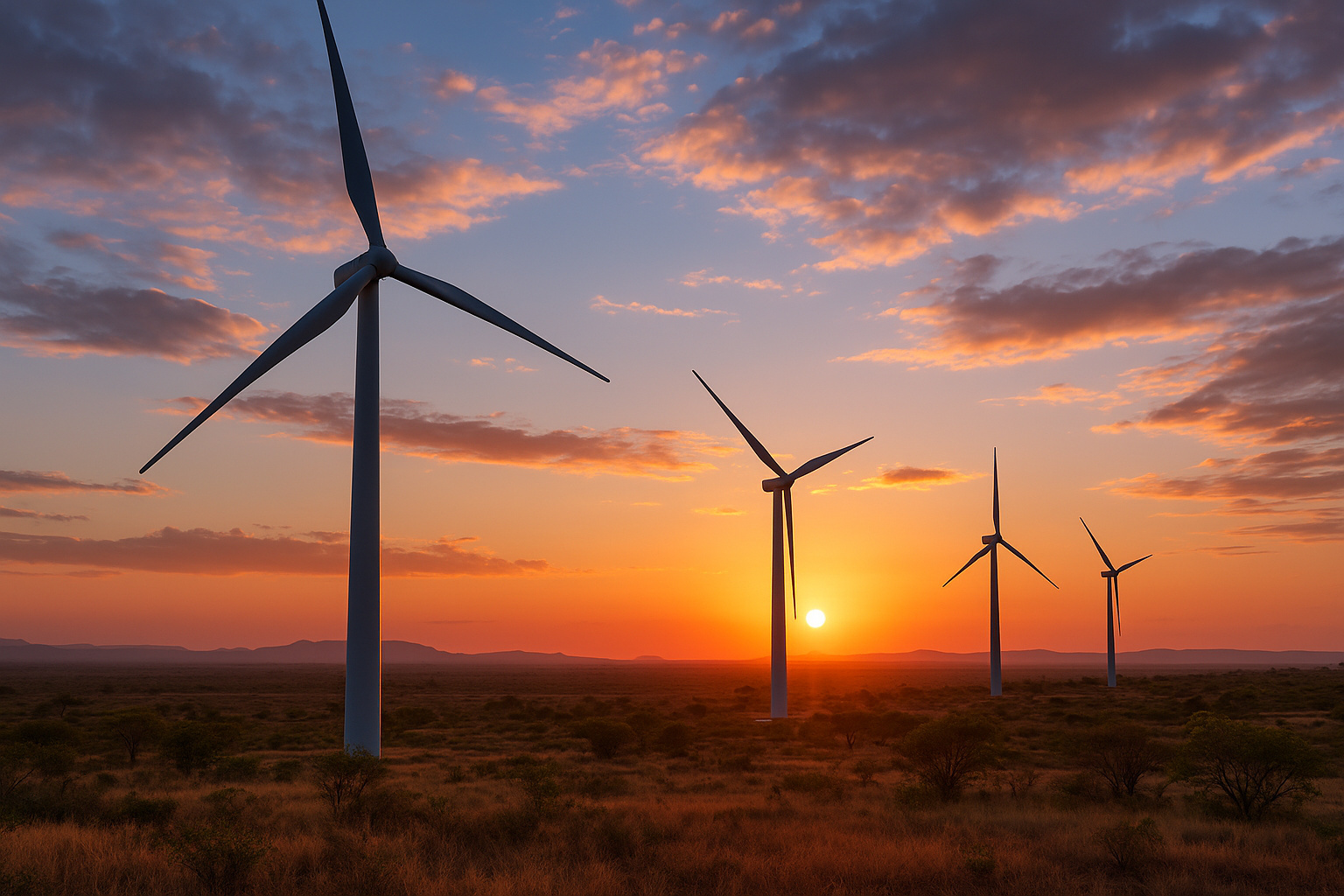

Brazil Has Great Wind Potential, But Lack of Rules and Investments Still Hinders the Advance of Clean Energy.
Brazil Wastes Wind Potential and Needs to Unlock Investments
Brazil is at a decisive moment in clean energy generation.
Despite the enormous potential for wind energy, experts warn that the country risks losing strategic investments due to a lack of clear rules and incentives for the sector.
Minas Gerais is an example of this scenario.
The state has wind projects in Monte Azul, Espinosa, Santo Antônio do Retiro, Rio Pardo de Minas, and Mato Verde in the northern part of Minas Gerais.
Even so, it is still far from keeping pace with the Northeast, which leads national production.
The warning is clear: without structure and legal security, Brazil will not unlock its true energy potential.
-
Brazilian Energy Auction Secures $4.6 Billion in Projects to Enhance Power Grid and Prevent System Bottlenecks, Achieving an Average Discount of 51.58%

-
Gas-powered generator reignites emergency energy debate in Brazil, offering night and rain operation without open roof, as solar with battery can exceed $7,500 installed.

-
Itaipu Dam Stuns Visitors with First Spillway Opening in 2026, Showcasing the Power of Water Once Again
-
USP researcher creates thesis to attract international funds for the country’s electric energy sector


Natural Potential Exists, But Security for Investors is Lacking
The Secretary of Development of Minas Gerais confirms that the state is seeking to consolidate its vocation in wind energy generation.
However, experts argue for diversification and strengthening of renewable sources.
Professor Victor Flores Mendes from UFMG reinforces the role of the complementarity of sources.
“During the day, we have energy generated by the sun; at night, we can rely on wind energy, which continues to generate,” he says.
For him, this combination ensures efficiency and stability in the energy matrix.
Moreover, it reduces dependence on polluting sources and increases energy security.
Clean Energy Could Dominate Half of the Matrix by 2030
Professor Paulo Guerra from Fundação Dom Cabral highlights the advancement of wind energy in the country.
According to him, Brazil is expected to reach 50% of its energy matrix composed of clean sources by 2030.
He bases this on estimates from the Brazilian Electric Energy Research Company.
The figure reinforces the strategic role of the country in the transition to clean energy.
Companies Invest But Face Regulatory Hurdles
The Cemig is already investing in wind farms in Ceará.
In Beberibe, at Pajuru beach, there are 17 generating units in operation.
This progress shows Brazil’s technical capacity.
However, regulatory obstacles still scare off new investors.
The president of Abeeólica, Elbia Gannoum, advocates for clearer regulation.
“Around the world, there is no country with Brazil’s potential to attract investments and lead the energy transition,” she states.
She highlights the importance of amendments 9 and 40.
These measures could define rules on energy cuts and who bears the costs.
Wasted Energy Threatens the Future of the Sector
Today, part of the wind energy generated in Brazil is cut and not stored.
This represents a direct waste of energy potential.
According to experts, this loss drives away international investors.
Moreover, it limits the evolution of the Brazilian renewable matrix.
Gannoum emphasizes that clear rules are urgent.
“It’s essential to know what is the grid and what is energy-related,” she says.
Brazil Has a Natural Vocation to Lead Future Energy
The vice president of Elera Renováveis, Francisco Galvão, sums up the opportunity.
“Renewable energies are a natural path, and Brazil has a huge benefit from its solar, wind, and hydropower potential,” he claims.
Indeed, the country has unique conditions for the expansion of wind energy.
But it needs to expedite policies and ensure legal security to avoid falling behind.
If it does this, Brazil could become a global reference in clean energy.
Otherwise, it will see its potential wasted while competitors advance.