Portuguese
  Spanish


The Country Concentrates Indispensable Minerals For Modern Technologies And Is Experiencing Growth In Economic, Environmental, And Geopolitical Interest
The advancement of mineral research conducted since 2019 by the Geological Service of Brazil (SGB-CPRM) has reignited a discussion that, although technical, influences sectors such as technology, energy, and defense: How Can Brazil Transform Its Rare Earth Reserves Into Sustainable Development? This analysis gains strength because regions like Minaçu (GO) and Poços de Caldas (MG) concentrate valuable geological formations. These locations attract geologists, companies, and governments seeking to meet a growing global demand since 2020, driven by the energy transition and the increased use of electric motors and wind turbines.
The concentration of these reserves makes the country a strategic point in discussions involving high-tech supply chains. Experts from the Ministry of Mines and Energy (MME) emphasize that this movement intensified between 2022 and 2024, when the demand for neodymium and praseodymium grew rapidly in the international market.
What Do Studies Say About Brazilian Rare Earths
The most recent surveys from the SGB (2023) show that minerals such as neodymium and praseodymium remain distributed in specific deposits, which facilitates exploration. These elements are essential because they power clean technology sectors such as wind turbines, electric vehicles, and electronic equipment. The analyses also indicate that other areas of the country may host potential deposits that are still little assessed.
-
U.S. Invests $75 Million in Projects to Extract Rare Earths, Gallium, Germanium, and Aluminum from Coal Waste

-
Eni Acquires 25% Stake in Chilean Lithium Project, Plans to Invest Up to $225 Million in Eco-Friendly Extraction Method
-
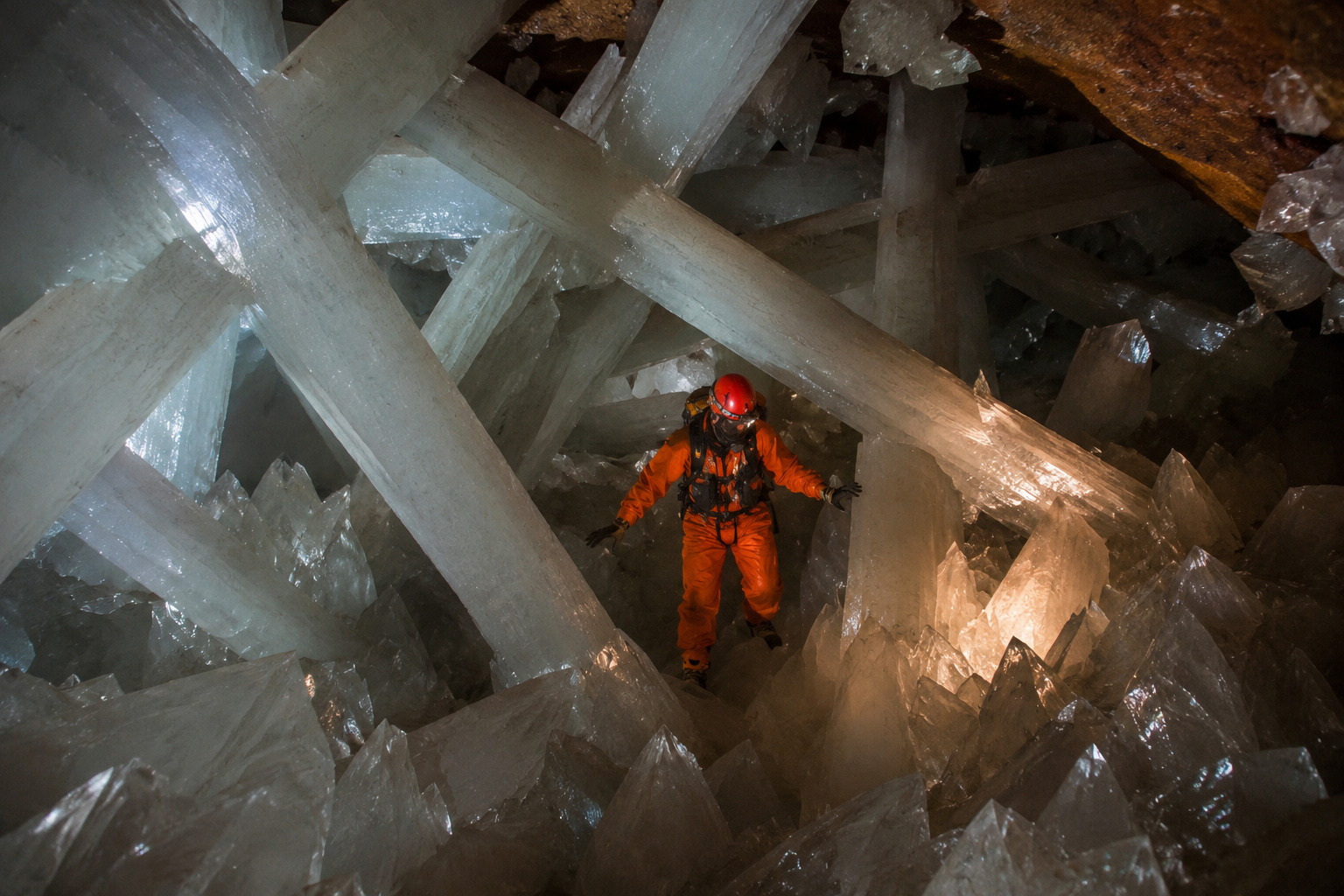
Mexico’s Giant Crystal Cave: A Deadly 58°C Underground Palace with 11-Meter Crystals Formed Over Nearly a Million Years

-
China Dominates Over 90% of Rare Earth Refining, Prompting Global Concerns: Canada and Japan Launch Billion-Dollar Plan to Reduce Dependency and Safeguard Batteries, Semiconductors, and Defense


Why Global Interest Is Growing So Rapidly
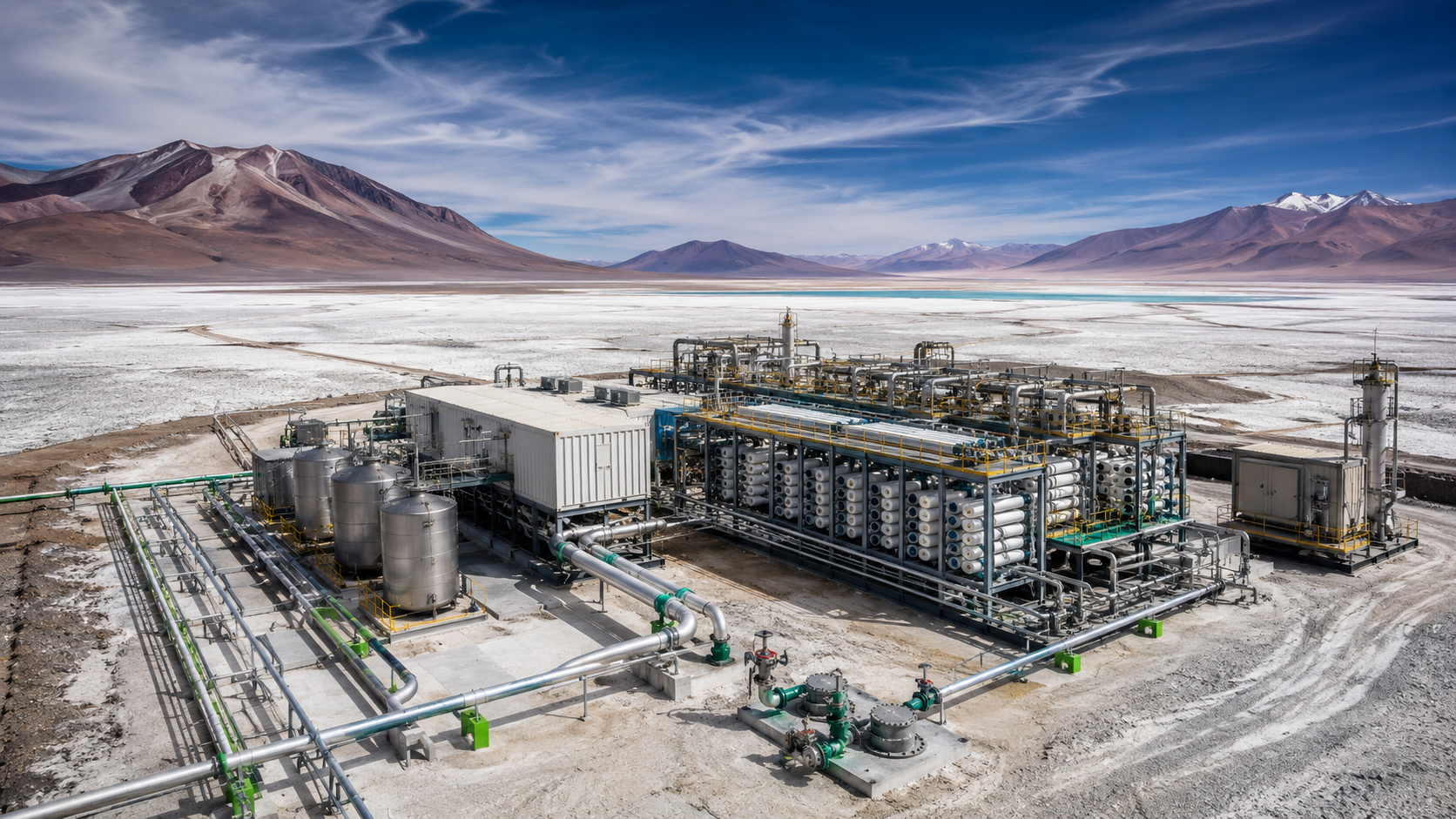
The international search for strategic minerals has increased since 2021, when several governments initiated energy transition policies. This movement raised the demand for high-performance permanent magnets made with rare earths. Brazil has a relevant share of these reserves but meets only a small fraction of the demand, creating significant space for industrial investments.
Moreover, experts emphasize that international partnerships can accelerate the structuring of the national production chain. The Ministry of Development, Industry and Trade (MDIC) highlights that this scenario encourages negotiations to attract processing plants and reduce external dependence.
Economic, Social, And Environmental Impacts Of Exploration
The environmental studies conducted since 2020 by Ibama show that the exploration of rare earths offers significant economic gains such as job creation, increased revenue, and regional technological expansion. However, reports indicate relevant environmental risks, especially in areas where the soil may suffer accelerated degradation without adequate technical control.
Local communities also experience tensions related to land use. Therefore, adopting a sustainable exploration plan emerges as a central point to avoid social impacts, as reinforced in technical opinions published between 2022 and 2024.
Challenges To Transform The Potential Into Sustainable Development
Brazil needs to advance in regulation and transparency. The environmental guidelines updated in 2023 by the MME reinforce that any expansion of production requires social protection, in addition to ecosystem preservation. The country must also prioritize the creation of the industrial value chain, avoiding the export of only raw materials.
Experts indicate that stimulating the national industry can transform the reserves into a strategic economic pillar, following recommendations discussed since 2021 by agencies such as BNDES and EPE.
Where Are The Investment Opportunities And What Movements To Follow
Investors need to observe regulatory and environmental changes that have been discussed since 2022 in the National Congress. Changes in these frameworks can signal the ideal moment for investments in infrastructure, processing, and extraction technologies. The advancement of industrial partnerships should also be monitored, as new processing plants could define the pace of national production.
The global growth in demand for rare earths creates a strategic window for Brazil. It remains to be seen whether the country will transform this geological potential into long-term technological development.