Portuguese
  Spanish




With natural resources, energy, mining, and infrastructure, the country seeks to convert strategic advantages into sustainable development.
Brazil combines natural resources, a diversified energy matrix, agricultural strength, mineral reserves, and room to advance in oil and gas, infrastructure, and energy transition. However, it still faces challenges in transforming this potential into sustainable wealth.
According to Nelson Romano, president of ABEMI, progress directly depends on strengthening national engineering, industry, and productivity. For him, no country achieves development merely by exporting commodities.
Moreover, Romano states that real growth occurs when natural resources are converted into technology, infrastructure, innovation, qualified jobs, and industrial capacity.
-
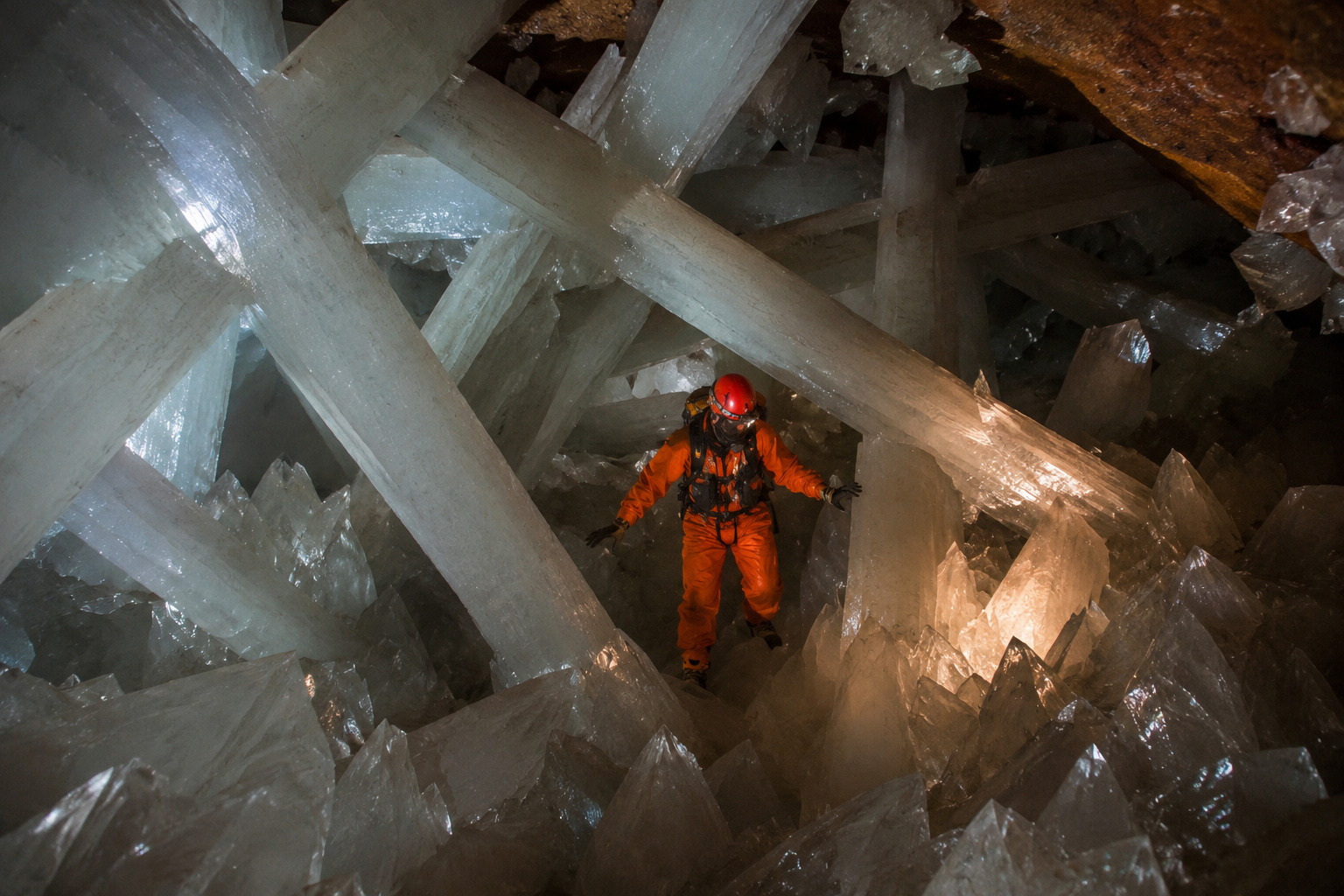
Mexico’s Giant Crystal Cave: A Deadly 58°C Underground Palace with 11-Meter Crystals Formed Over Nearly a Million Years

-
China Dominates Over 90% of Rare Earth Refining, Prompting Global Concerns: Canada and Japan Launch Billion-Dollar Plan to Reduce Dependency and Safeguard Batteries, Semiconductors, and Defense

-
Ancient Mines in Spain Reveal Tools and Metals That May Explain Bronze Age Trade with Scandinavia
-
XCMG Launches 240-Ton Mining Truck in Brazil, Promising Increased Productivity with Lower Fuel Consumption


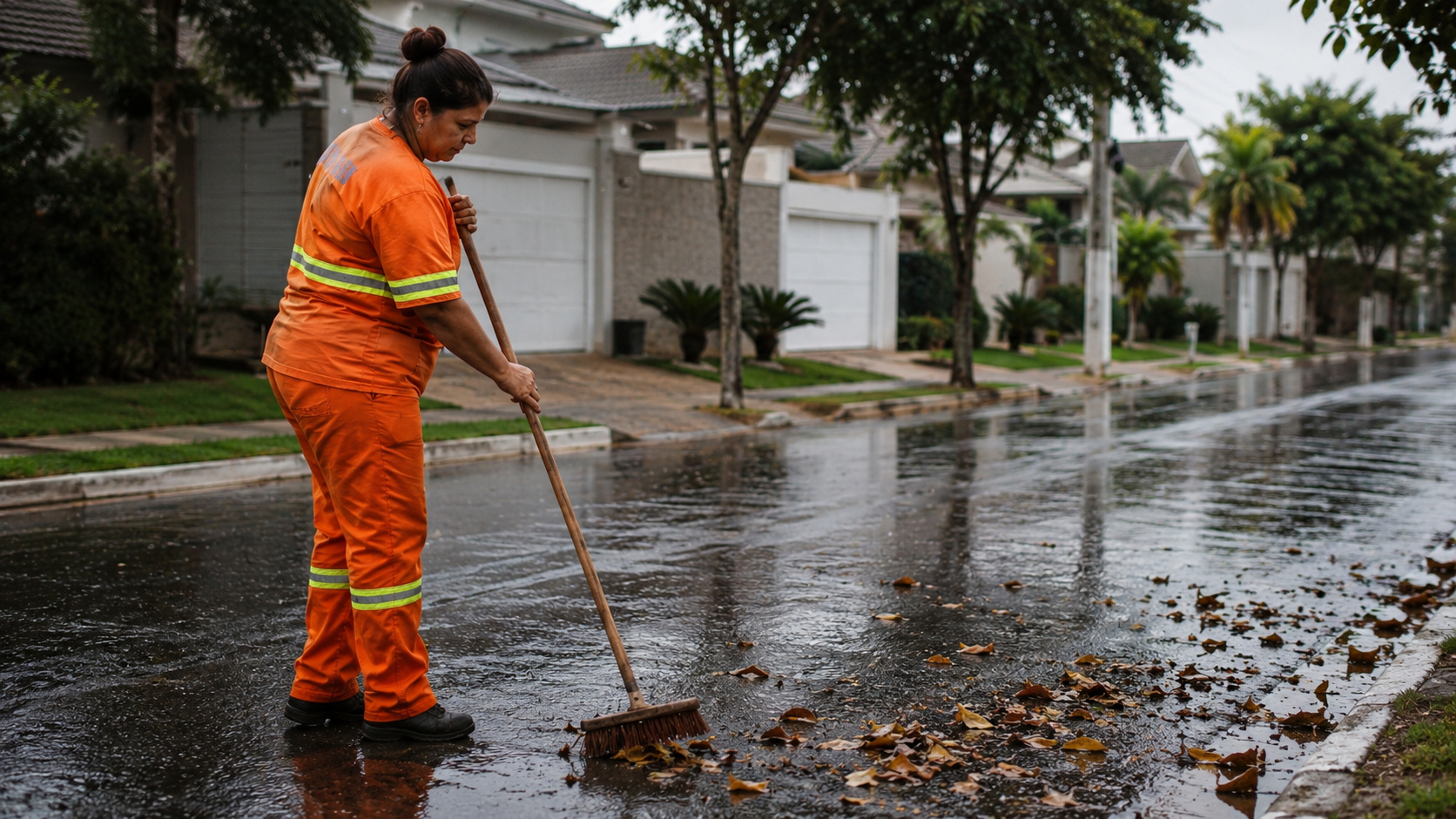
Industrial engineering enters the center of the debate
Currently, the topic has gained strength in economic and industrial debates. After all, countries rich in natural resources do not always achieve a high level of competitiveness.
In this scenario, industrial engineering assumes a strategic role. This occurs, especially, amid discussions on energy security, low-carbon economy, production chains, and reindustrialization.
According to Romano, Brazil is experiencing an important opportunity. However, this chance requires long-term planning, consistent investments, and appreciation of Brazilian engineering.
Strategic sectors can drive a new economic cycle
For ABEMI, founded on May 23, 1964, areas such as oil and gas, mining, petrochemicals, energy, logistics, and infrastructure can drive a new phase of growth.
However, this progress depends on the ability to add value within the country. Thus, the Brazilian industry can enhance its competitiveness and reduce dependence on the simple export of raw materials.
Nelson Romano emphasizes that the development debate needs to go beyond the short term. For him, there is no developed country without strong engineering, productivity, efficient execution, and competitive industry.
Technology, artificial intelligence, and automation accelerate changes
Furthermore, ABEMI assesses that industrial digitalization, artificial intelligence, automation, and engineering should accelerate significant transformations in the coming years.
In this context, industrial competitiveness depends on the union between human intelligence, technology, and technical capacity. Therefore, the topic becomes strategic for Brazil’s economic future.
With more than six decades of operation, ABEMI brings together companies in project engineering, civil construction, industrial assembly, maintenance, equipment manufacturing, logistics, and infrastructure.
Additionally, the entity operates in sectors such as energy, mining, steel, chemical, petrochemical, sanitation, urban mobility, and infrastructure.
Finally, the association guides its actions by pillars such as ESG, innovation, digital transformation, productivity, competitiveness, and sustainable development. After all, transforming potential into wealth requires more than resources: it requires engineering, industry, and a long-term vision.