






 Portuguese
  Spanish


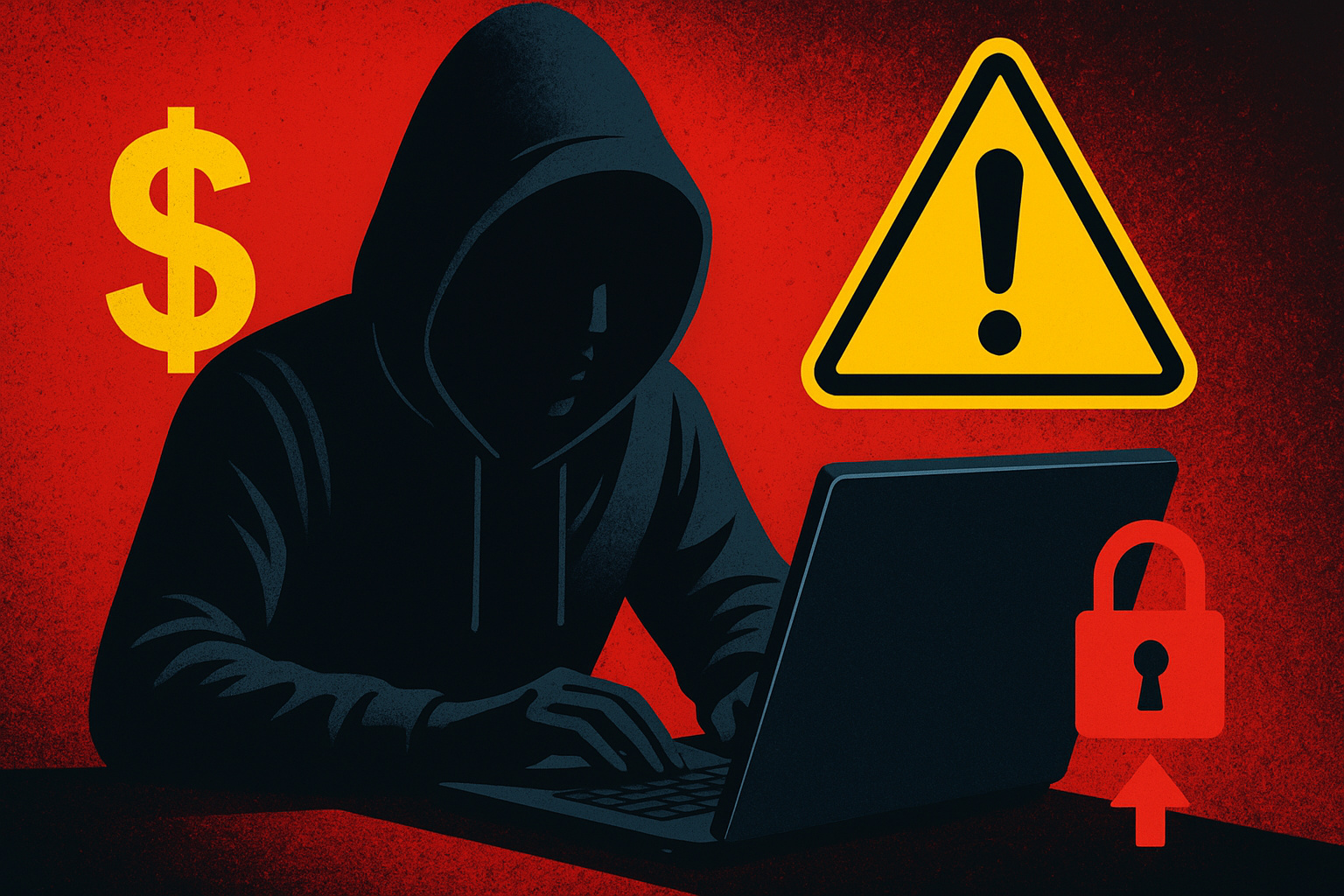

Digital Frauds Rise in Brazil, but Only 1 in 4 Companies Have Insurance. Risk Threatens Data and Finances.
Digital Frauds Advance and Brazil Remains Vulnerable
In Brazil, for every four companies, only one has insurance against digital fraud. This revelation comes from a survey by Grant Thornton in partnership with the law firm OPICE Blum Advogados. The data contrasts with another alarming number: 79% of organizations claim to feel more exposed to cyberattacks.
This scenario exposes a dangerous contradiction. While two out of three companies acknowledge that Cybersecurity is among the top five corporate risks, the majority remain without adequate protection.
How Digital Criminals Operate
According to Marco Lagoa, co-founder of Witec Solutions, the attacks are becoming increasingly sophisticated. Criminals use data and digital certificates to open fake accounts, request loans, and even clandestinely change company partners.
-
Tesla injected an additional $250 million into the German factory, doubled the battery cell target, and opened its own production line for startups.

-
No more TV stuck on the wall: Samsung The Freestyle+, the new projector with over 400 lumens projects on walls, floors, and ceilings, bringing cinema to any corner of the house.

-
A Japanese governor single-handedly stalled the construction of the world’s fastest train for nine years, and only now has he agreed to allow a tunnel excavated at a depth of 1,400 meters.
-
Almost 1 billion euros, two gigafactories, and a million-dollar public investment, Chinese company aims to turn Spanish city into Europe’s new battery hub.



They create domains, emails, and even fake websites to simulate legitimate operations. “They end up deceiving people by claiming there’s a contest or a prize that has been drawn. People end up falling for it, providing personal data,” Lagoa explained to radio Itatiaia.
Additionally, there is the sale of leaked customer lists from old platforms. This neglected information becomes a weapon in the hands of fraudsters.
Financial and Reputational Risks
The impacts of digital fraud go far beyond immediate losses. Affected companies face image damage, loss of customers, and instability in cash flow. In some cases, recovery is slow or even unfeasible.
Another risk is the misuse of tax information. Lagoa cites the exposure of data from the Electronic Invoice (NFE) as an example. Criminals exploit these details to request payment advances or cancel previous transactions.
Paths to Protection
Despite the challenging scenario, there are ways to reduce risks. Establishing a risk analysis and contingency committee is one of the most effective measures. This group not only acts in prevention but also in rapid response during an attack.
Training teams is another crucial point.
“The main thing is to train the team on how to respond when there’s a problem, how to identify a potential failure. We have witnessed criminals posing as the IT department and asking for remote access to the financial department’s machine. This was only mitigated because the financial person was prepared and knew how to handle it,” emphasized Lagoa.
Why Act Now
The advancement of technology has brought new business opportunities but also opened the door to digital fraud on an unprecedented scale. Data protection is no longer just a technical issue but a strategic pillar for the survival of companies in Brazil.
Ignoring this scenario can be very costly. After all, when cybersecurity fails, the losses affect both the present and future of any organization.


