Portuguese
  Spanish


Brazil Faces Grain Storage Deficit and Needs to Invest R$ 102 Billion. The Lack of Storages Impacts Soy and Corn!
Brazil is facing a critical bottleneck in grain storage infrastructure, according to a survey by Itaú BBA released in 2025.
The study indicates that the country needs to invest around R$ 102 billion to balance storage capacity with agricultural production growth. The situation directly affects soybean and corn producers, who harvest record crops year after year but struggle to store their production.
The issue occurs in all regions, but is more severe in agricultural expansion areas, such as Mato Grosso and MATOPIBA (Maranhão, Tocantins, Piauí, and Bahia), and jeopardizes the competitiveness of Brazilian agribusiness in international markets.
-
Producer receives news and had to cull almost the entire herd, bounced back with the help of compensation, and is now producing 450 liters of milk per day in SC.

-
Quail Eggs Reveal a “Secret Code” on Their Shells Explaining Unique Patterns and Colors

-
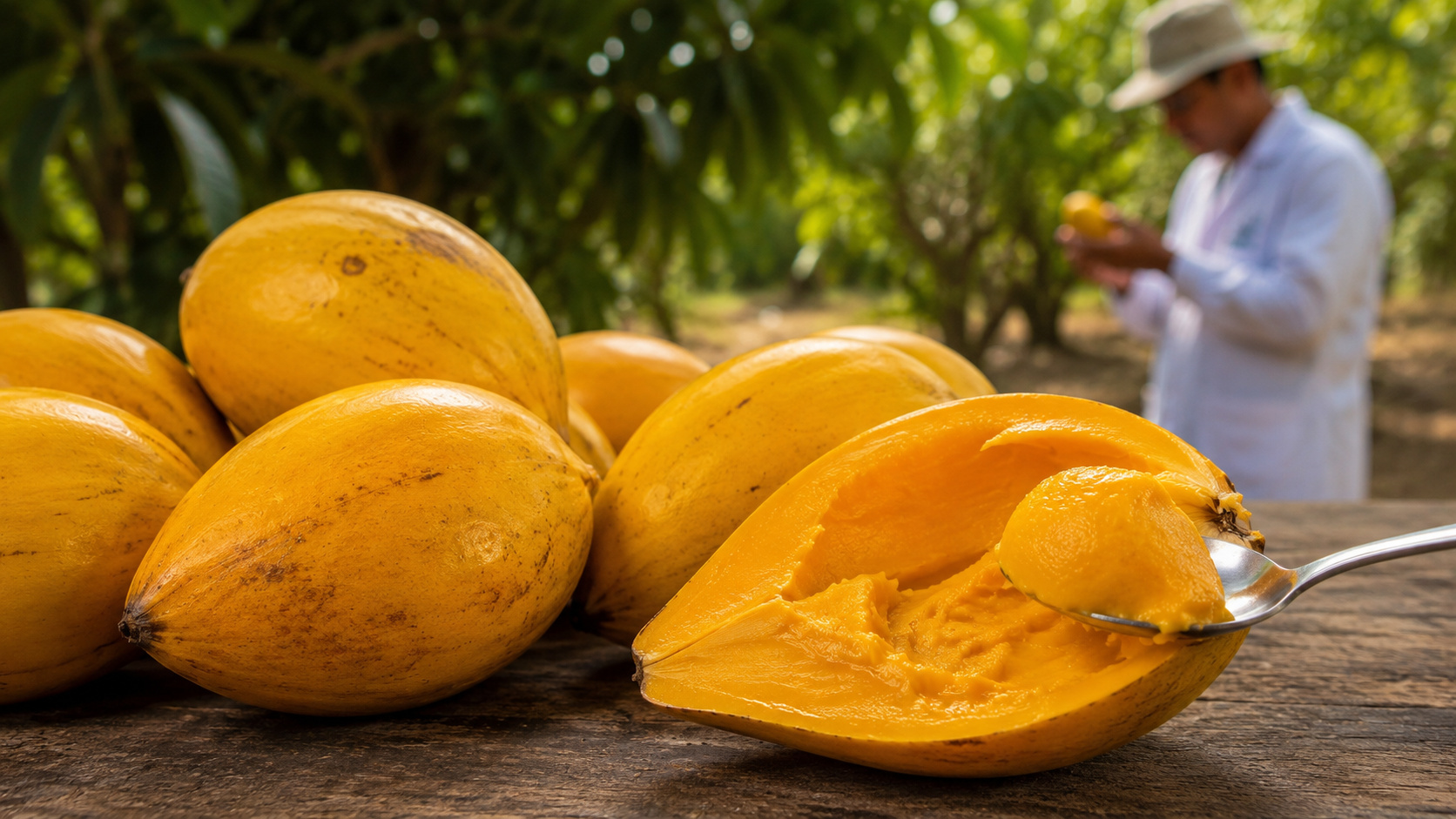
Rare Tropical Fruit Canistel, with Egg Yolk Color and Caramel Flavor, Gains Interest from Researchers and Small Producers in Brazil
-
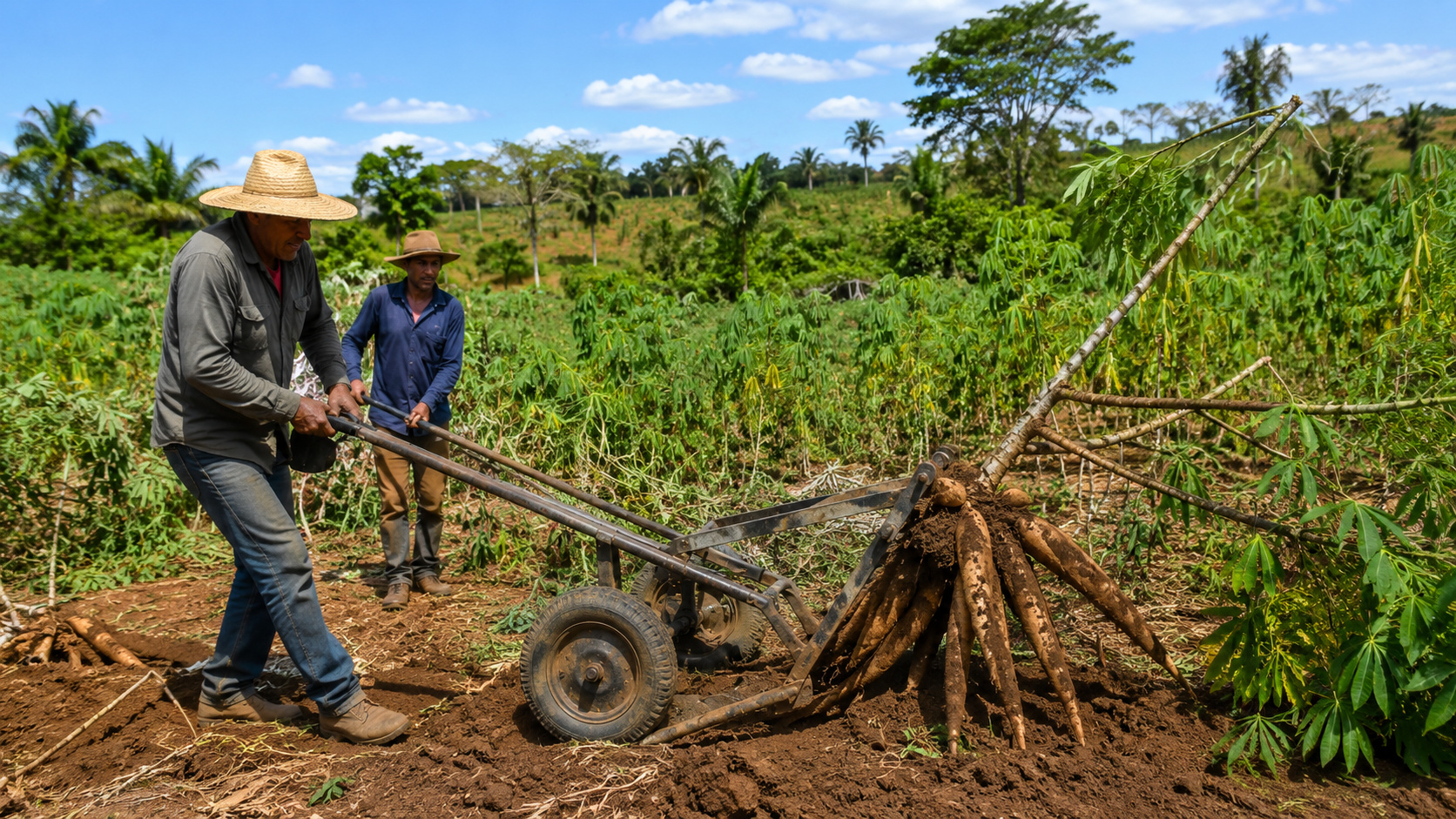
Brazilian Farmers Develop Wheeled Metal Lever to Ease Cassava Harvesting Without Heavy Machinery


Production Grows Faster Than Storage
In 2025, Brazil’s static capacity reached 213 million tons, an increase of only 0.5% compared to 2024.
However, soybean and corn production has been growing at an average rate of 6% per year since 2010. This mismatch directly pressures storages, which can no longer meet the increasing demand.
Today, Brazil has 11,921 storage units in operation. Mato Grosso leads in stored volume, with 52 million tons, while Rio Grande do Sul has the largest number of structures, totaling 3,278.
Despite this, none of them escape the pressure for more grain storage capacity.
Financial Losses for Rural Producers
The lack of adequate storage space directly affects farmers’ profitability.
According to Itaú BBA, 41% of producers with their own storages reported gains between 6% and 20% on grain sales. This is because they can wait for the most favorable moment to negotiate.
On the other hand, farmers who depend on third parties are forced to sell during the harvest peak, when prices are lower, suffering from discounts and loss of competitiveness.
Logistics Increases Export Costs
Another factor that exacerbates the scenario is the outflow of production. Currently, 60% of Brazilian grains are transported by highways. This model increases costs and delays logistics.
The average freight cost from Mato Grosso to the Port of Santos, for example, is about USD 84 per ton, which accounts for 73% of the total cost to ship to China.
Reliance on road transport increases risks and reduces the competitive potential of agribusiness against international competitors.
Challenges in New Agricultural Frontiers
The problem intensifies in agricultural expansion states. In Mato Grosso, despite being the largest in stored volume, the deficit reaches 51% of soybean and corn production.
Rondônia operates with a 75% deficit, while MATOPIBA shows a shortfall of 60%. These numbers highlight the urgency for public and private investments to build new storages in these regions.
Difference Compared to the United States
The comparison with the United States highlights Brazil’s fragility. There, the grain storage capacity is 615 million tons, with 65% located on farms.
In Brazil, only 17% of storage occurs on farms, making producers more vulnerable to market and logistics fluctuations.
Experts Advocate Urgent Investments
For Itaú BBA, the solution requires coordinated actions between the government and the private sector.
“Brazil needs massive investments, more robust public policies, and more favorable credit conditions to modernize and expand its storage infrastructure, which is essential for the national agribusiness to maintain competitiveness and keep pace with production growth,” says Francisco Queiroz, an expert from the bank’s Agro Consulting.