Portuguese
  Spanish


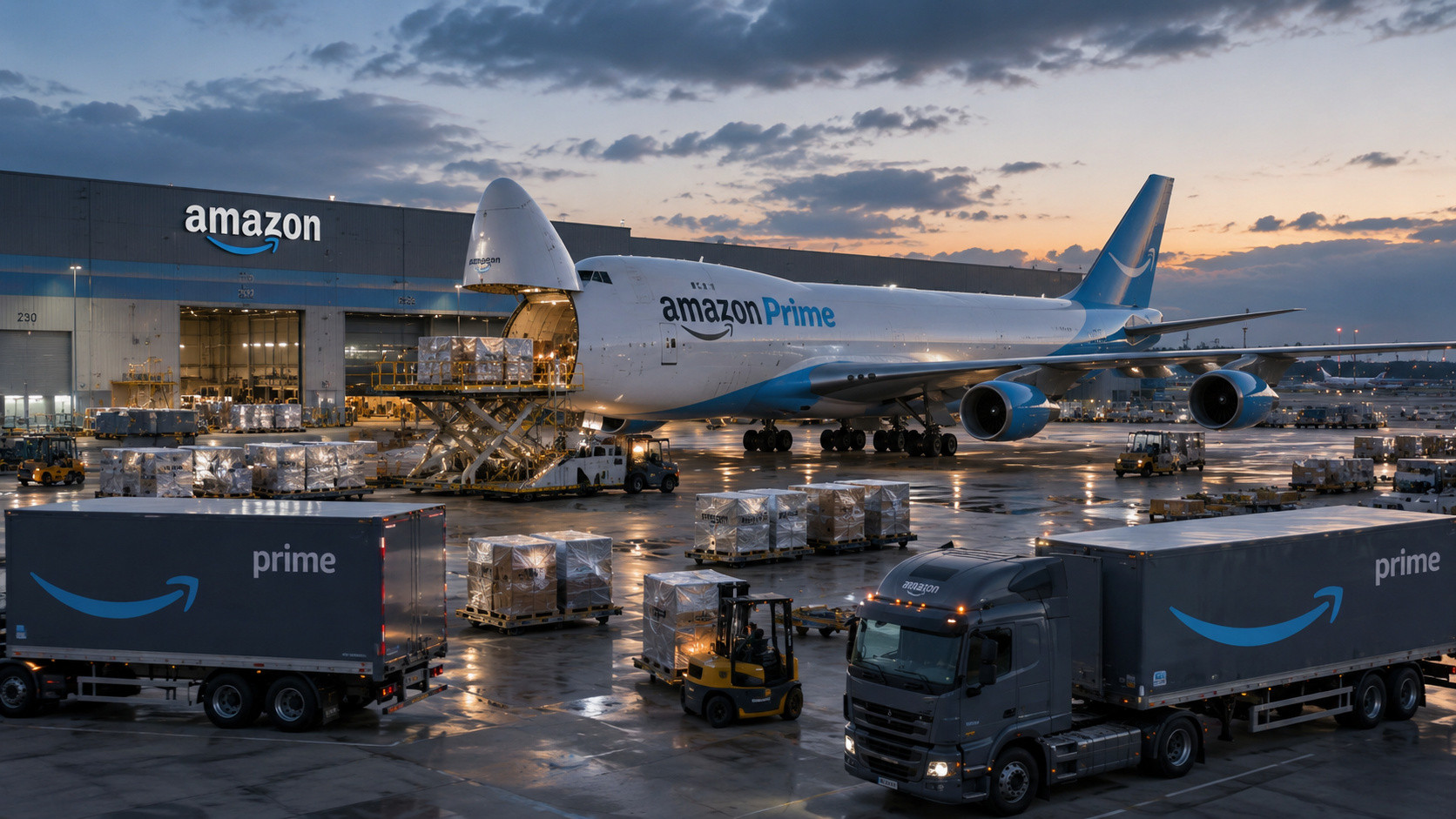

Amazon opens its global logistics network to businesses and drives down UPS and FedEx shares, marking a new phase in the delivery dispute.
On May 4, 2026, Amazon took a step that could redefine the global transportation sector by officially launching Amazon Supply Chain Services (ASCS), a service that opens its logistics infrastructure to companies that do not sell on its platform. The initiative was confirmed by reports from outlets such as Reuters and Barron’s, and quickly provoked a reaction in the financial market, with a drop of about 9% to 10% in UPS and FedEx shares on the same day of the announcement.
The move represents a structural change: for the first time, Amazon stops using its logistics solely as e-commerce support and starts selling it as an independent product. This includes transportation, warehousing, distribution, and final delivery, putting the company on a direct collision course with historical giants in the sector.
Amazon opens its global logistics infrastructure to any company and changes the rules of the game in the sector
Amazon Supply Chain Services was designed to offer a complete end-to-end solution. Companies can now use Amazon’s network to transport goods from factories, store products in logistics centers, and deliver directly to consumers, even if they sell on competing platforms.
-
New Smart Radar Begins Issuing Fines to Solo Drivers in Carpool Lanes, Uses Cameras to Count Occupants, Changing Traffic Enforcement Rules on Busy European Roads

-
Why can the crane operator only obey the correct signalman on the construction site: among dozens of workers, a hand raised by the wrong person can confuse the maneuver and turn a load of tons into an immediate risk.
-
What changes with the new public transportation rules that can reduce pressure on fares and pave the way for zero fare in Brazil?
-
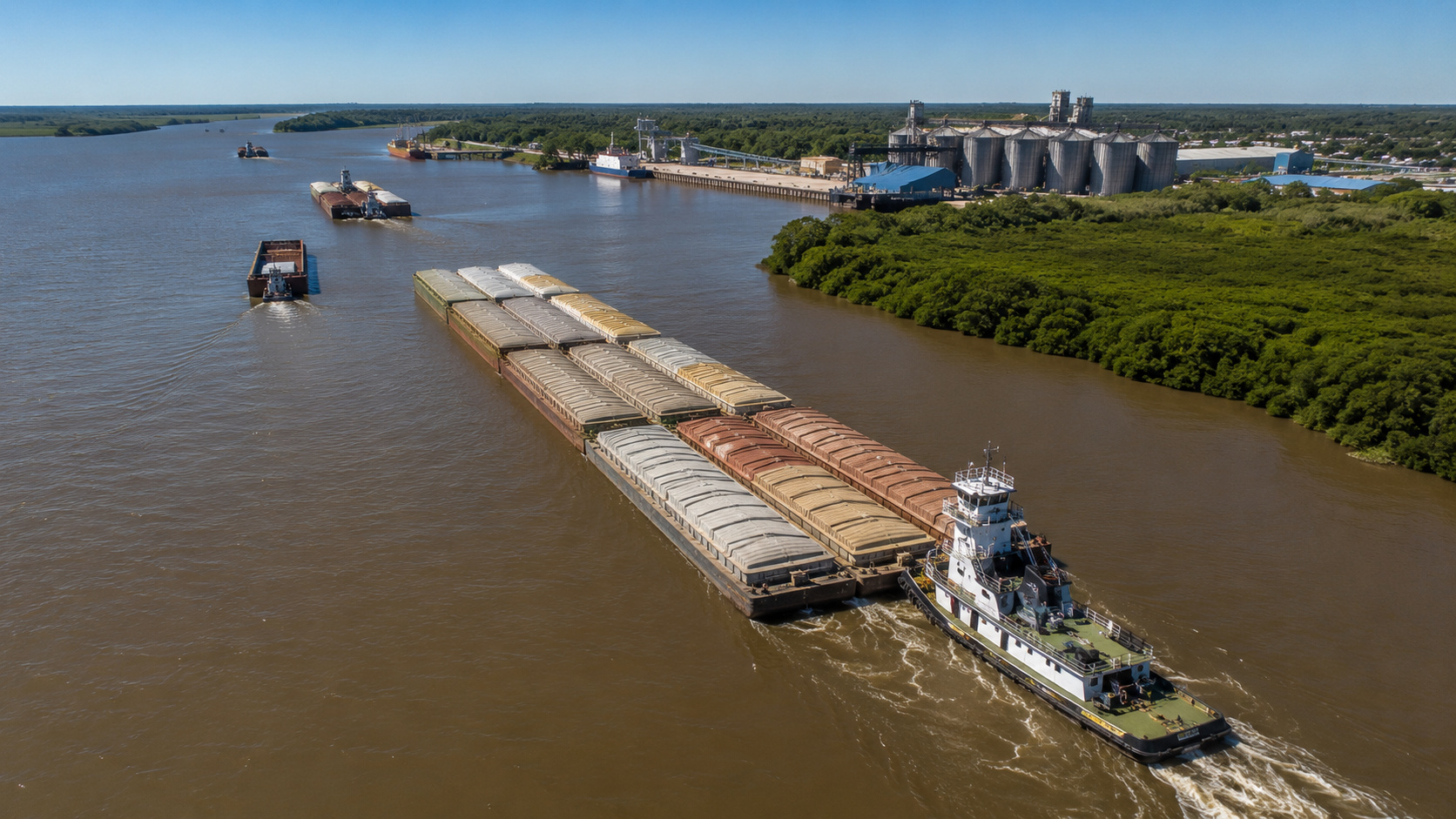
Argentina confirms Belgian giant to lead strategic Paraná River waterway and promises to reduce logistical costs on one of South America’s most important routes



This point is strategic. Previously, access to the company’s logistics was conditioned on using the marketplace. Now, Amazon acts as an independent logistics operator, expanding its presence to sectors such as industry, retail, healthcare, and automotive.


In practice, this transforms Amazon into a global logistics service provider, something that brings its model closer to what the company already did with AWS, which started as internal infrastructure and later became one of the largest businesses in the world.
Network includes over 100 planes, thousands of trucks, and globally distributed logistics centers
The scale of the operation is one of the factors explaining the immediate impact of the announcement. Amazon has made available an infrastructure built over more than a decade, which includes:
- A fleet with over 100 cargo planes
- Tens of thousands of trucks and containers
- Hundreds of distribution centers and warehouses
- Integrated operation with maritime, rail, and road transport
This network allows the company to control practically all stages of the logistics chain, from international transport to final delivery.
This level of integration reduces reliance on third parties and increases efficiency, something that historically was a competitive advantage for Amazon within e-commerce and is now offered as a service to other companies.
Immediate drop in UPS and FedEx shows market reaction to new threat
The impact of the announcement was immediate. Shares of UPS and FedEx recorded drops of nearly 10% on the same day, reflecting the perception that Amazon is directly entering their most profitable territory.

Analysts classified the move as one of the most aggressive ever made by the company in the logistics sector. In some reports, the launch was compared to an “AWS of logistics,” indicating billion-dollar growth potential if the model is successful.
The market’s reaction indicates that investors see Amazon as a real threat to the current structure of the sector, and not just as another competitor.
Service already launches with major clients and expands presence beyond online retail
Another point that reinforces the significance of the launch is the presence of large companies among the service’s first clients. Companies like Procter & Gamble, 3M, and American Eagle Outfitters already use Amazon’s infrastructure to transport products, manage inventory, and make deliveries.
These cases show that the service is not limited to small businesses or online sellers. On the contrary, it directly targets the large-scale corporate market, known for higher margins and long-term contracts.
This places Amazon in an unprecedented position, simultaneously acting as a retailer, digital platform, and global logistics operator.
Strategy follows company pattern of transforming internal infrastructure into a billion-dollar business
This move is not isolated. It follows a logic previously applied by Amazon in other areas. The most emblematic example is AWS, initially created to meet internal demands and later transformed into a global leader in cloud computing.
Now, the company repeats the model with its logistics. Over the past few years, Amazon has invested billions of dollars to build its own delivery network, reducing dependence on third parties and increasing speed.

By opening this structure to the market, the company begins to monetize an asset that was previously just an operational cost, creating a potentially gigantic new revenue stream.
Competition now involves not just deliveries, but the entire global supply chain
Unlike traditional delivery services, ASCS is not limited to package transportation. It covers the entire supply chain, including:
- International freight movement
- Warehousing and inventory management
- Regional distribution
- Final delivery to the consumer
This expands the scope of competition. Amazon ceases to compete only for the “last mile” and begins to operate in all logistical stages.
This repositioning could redefine the role of traditional companies, which historically dominate transportation but do not possess the same level of vertical integration.
Logistics market enters a new phase with competition between technology and traditional operators
The launch of ASCS marks an important transition in the logistics sector. On one side, traditional companies like UPS and FedEx, with decades of experience and consolidated infrastructure. On the other, a technology company with the ability to integrate data, software, and physical operations on a global scale.
This confrontation is not limited to delivery capacity, but involves operational efficiency, the use of artificial intelligence, route optimization, and real-time inventory management.
Amazon’s entry pressures the entire sector to evolve rapidly, creating a more intense and potentially more efficient competitive environment.