






 Portuguese
  Spanish
  4 min of reading
  1 comment





With a Focus on the South Atlantic, Brazilian Navy Invests in the Purchase of British Ships and the Development of a Nuclear Aircraft Carrier to Strengthen Its Global Presence
While news revolves around politics and the economy, the Brazilian Navy is advancing with an ambitious project. With billion-dollar investments and international agreements, the country is preparing for a new leap in the defense sector. The goal is clear: to gain prominence in the South Atlantic and achieve a previously unmatched status as a military power in Latin America.
Two movements are at the center of this strategy. The first is the negotiation for the acquisition of two large British ships. The second is even bolder: the construction of the first 100% Brazilian nuclear aircraft carrier, expected to be completed by 2040.
Investments for Naval Modernization
The Brazilian Navy is conducting a broad modernization process. The focus is on expanding the ability to operate in distant waters and participating in international missions.
-
While giant ships still burn heavy fuel and the maritime sector races against climate targets, Maersk and Vale are starting to bet on ethanol as a new route to reduce emissions at sea.

-
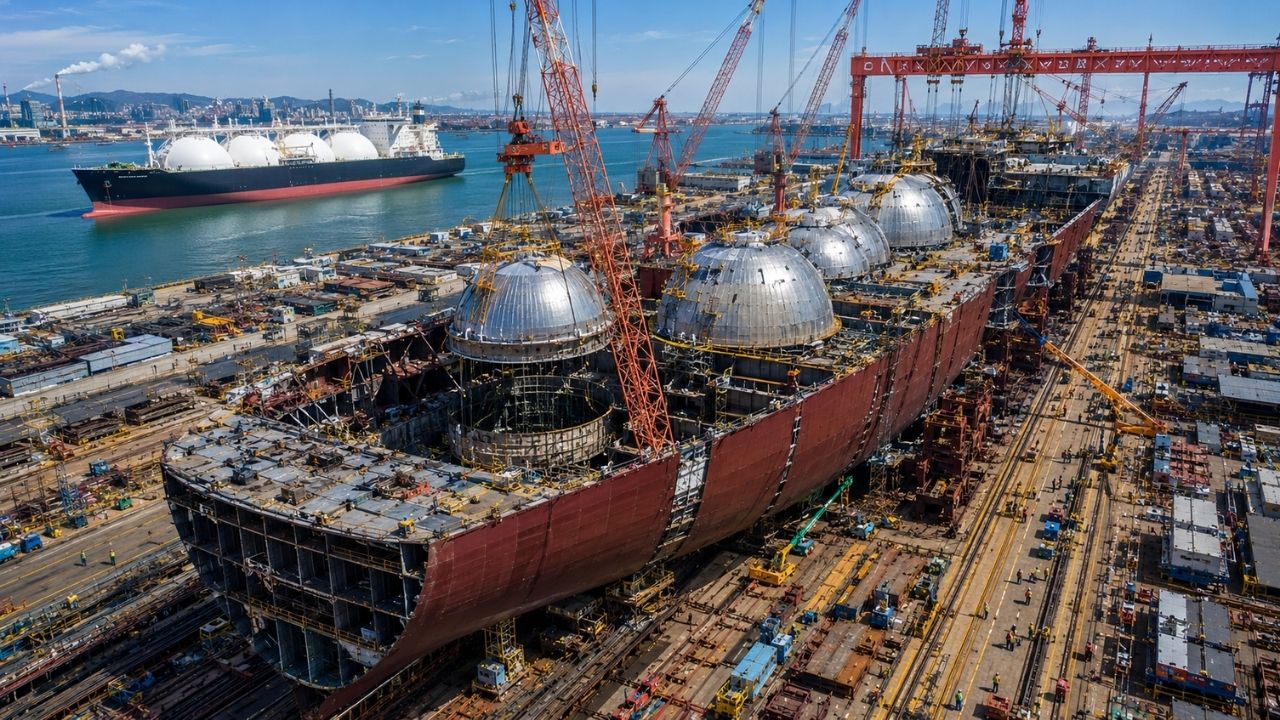
China begins construction of the world’s largest LNG ship, a 344-meter giant capable of supplying 4.7 million homes for a month, carrying 271,000 m³ of gas, and placing QatarEnergy in the largest naval order ever recorded in world history.

-
China is designing a container ship with a thorium nuclear reactor that will operate for 40 years without refueling, and the 25,000-container giant from Jiangnan Shipyard will cross oceans without emitting carbon in an industry that burns 300 million tons of fuel per year.
-
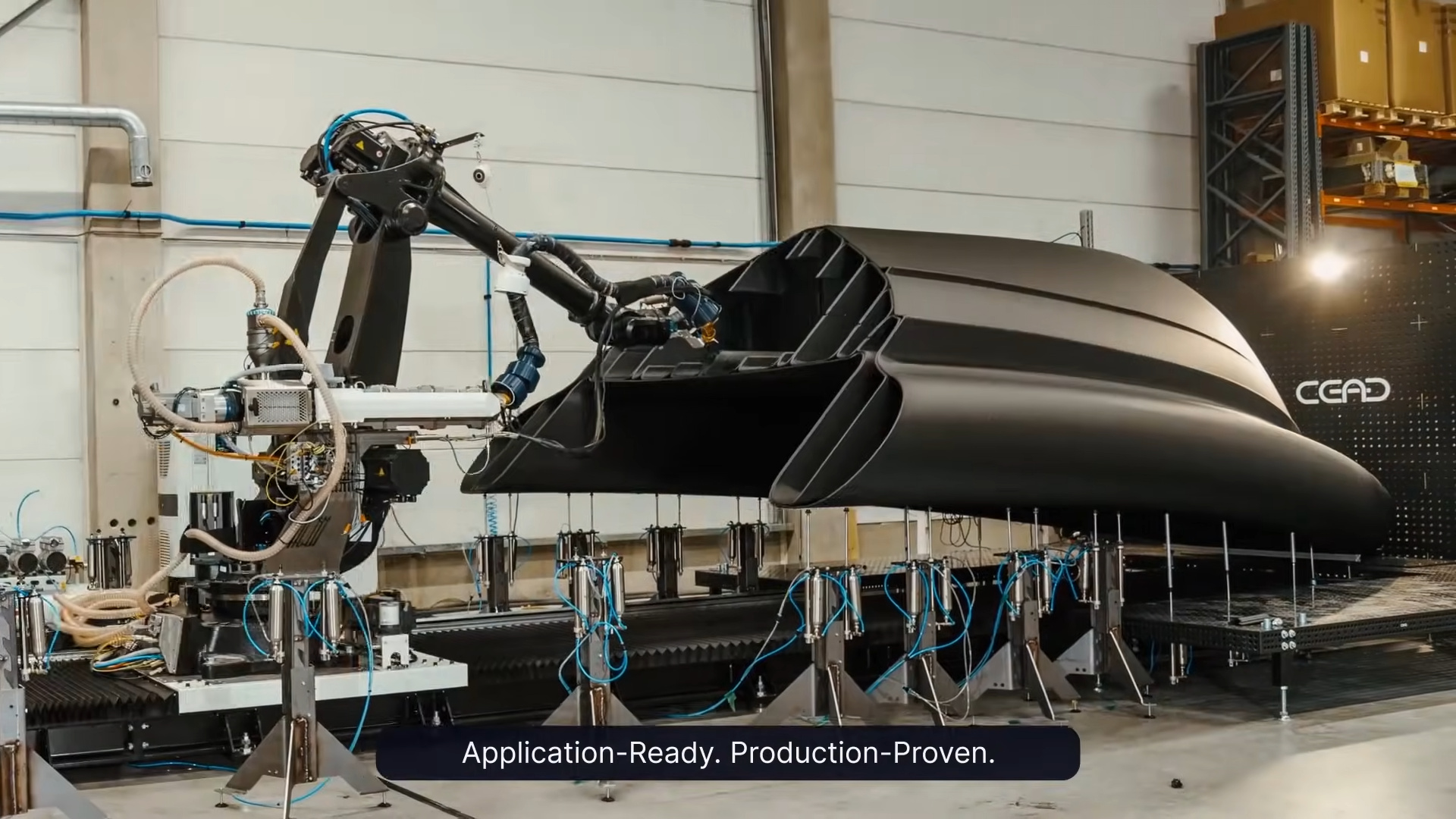
An entire boat came out of the 3D printer without a mold and without seams: CEAD’s giant robot creates hulls up to 12 meters in a single piece, replacing months of shipyard work with code and putting shipbuilding on the brink of a turning point that seems like science fiction.


To achieve this, it is betting on two main paths: the purchase of amphibious vessels from the United Kingdom and the development of a national aircraft carrier with nuclear propulsion.
These two fronts combine efforts to transform the Brazilian naval structure. According to the plans presented, the expectation is to expand the country’s presence in strategic areas, such as the South Atlantic, and ensure greater autonomy in defense and rescue operations.
Negotiation with the United Kingdom
According to the portal O Globo, Brazil is currently the main interested party in the purchase of two Albion-class ships from the British Royal Navy. The vessels are the HMS Albion and the HMS Bulwark, both weighing over 20,000 tons.
The ships have the capacity to transport up to 400 soldiers and operate heavy helicopters such as the CH-47 Chinook.
The Brazilian Navy confirmed the negotiations in February 2025. In April, a letter of intent was signed between the Ministries of Defense of Brazil and the United Kingdom. The document paved the way for technical assessments and future financial negotiation stages.
The expectation is that these ships will reinforce humanitarian missions, presence actions, and quick responses in emergencies. They should also replace older vessels, raising the operational standard of the Brazilian fleet.
Nuclear Aircraft Carrier by 2040
In parallel with the negotiation with the British, Brazil is betting on its own project: a nuclear aircraft carrier built entirely on national territory. The proposal was announced by the portal Estadão, based on the Brazilian Navy’s Strategic Plan (PEM 2040).
The new ship is expected to be ready by 2040 and will be the first of its kind in Latin America. The total investment is estimated at R$ 28 billion. The resources will be applied in the development of technology, testing, infrastructure, and the construction of the vessel.
The project includes partnerships with universities, research centers, and Brazilian companies. The idea is to ensure that the knowledge generated remains in the country and can be used in future generations of warships.
This model of cooperation reinforces the objective of technological independence, considered essential by the Navy. The nuclear aircraft carrier should become a symbol of a new moment for the national shipbuilding industry.
Strategic Objectives and International Repositioning
The Navy’s plan has a dimension that goes beyond the modernization of equipment. By seeking a more solid presence in the South Atlantic, Brazil aims to better protect its interests in a region rich in natural resources and commercial routes.
With the new ships, the Navy will be able to carry out more complex missions, with greater reach and responsiveness. This could bring the country closer to traditional naval powers such as the United States, France, and the United Kingdom.
The repositioning may also influence Brazil’s image in the international defense arena. The country would be seen as an actor with a real capacity for naval power projection, something unprecedented in Latin America.
If the plans are realized, Brazil will enter a new phase in its military history. The combination of purchasing cutting-edge vessels and constructing the nuclear aircraft carrier marks a break from decades of limitations.
The Brazilian Navy wants to make it clear that it is prepared to protect its interests with autonomy and its own technology.
With information from Sociedade Militar.







Cadê?