Portuguese
  Spanish


Since the United States imposed a 50% tariff on Brazilian products, the federal government has intensified international contacts to reduce the impacts of the measure and reinforce multilateral trade.
President Luiz Inácio Lula da Silva (PT) is expected to intensify connections with heads of state and government. The goal is to discuss alternatives to the 50% tariff set by U.S. President Donald Trump on Brazilian products.
According to government members, the first call should be to South African President Cyril Ramaphosa.
Lula has already spoken with India’s Narendra Modi, Russia’s Vladimir Putin, and China’s Xi Jinping.
-
21-Year-Old Moves Back to Parents’ Home in Arizona, Finds New Private Apartment in Converted Garage as Families Tackle U.S. Housing Pressures

-
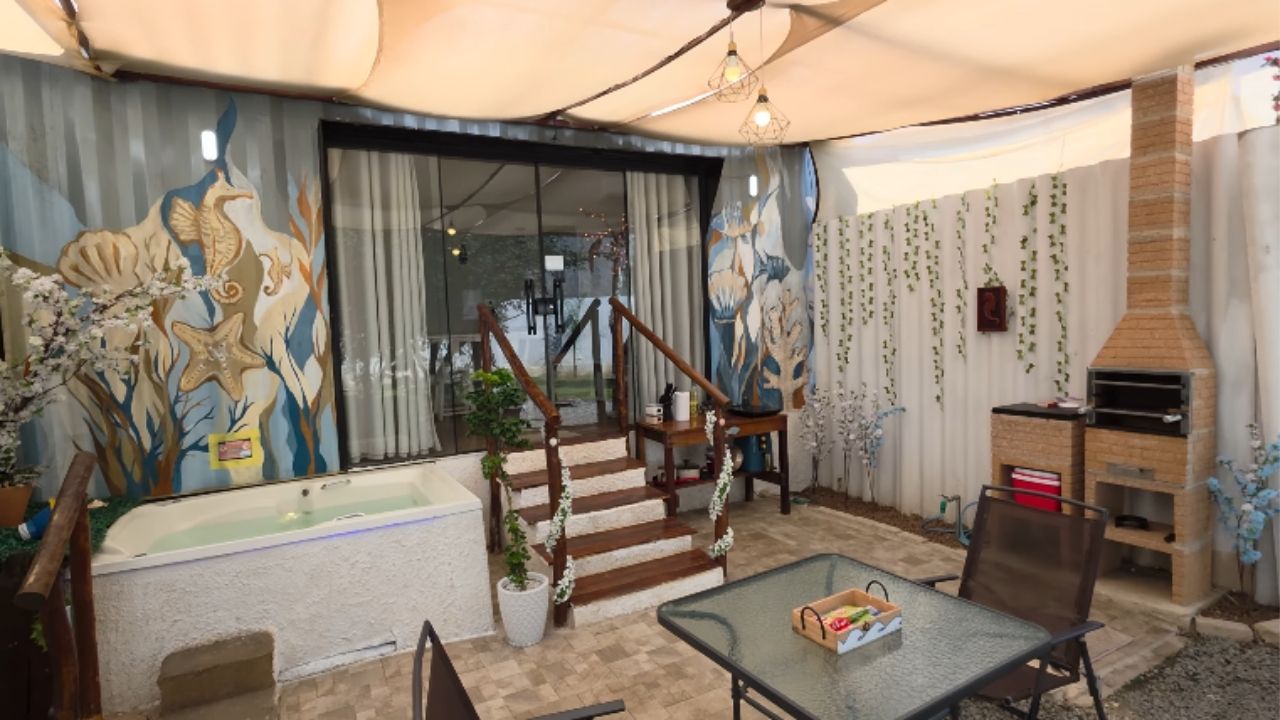
Innovative Container Studio in Brazilian Beach Town Thrives with High Demand and Plans for Expansion
-
Brazil Opens Permanent Tax Office in Beijing to Streamline Trade and Combat Customs Fraud with China, Its Largest Trading Partner

-
Eco-Friendly Brick Mini-Factory Fits in a Garage, Starts with a $1,800 Press, Produces Bricks for $110 per Thousand and Sells for Up to $290




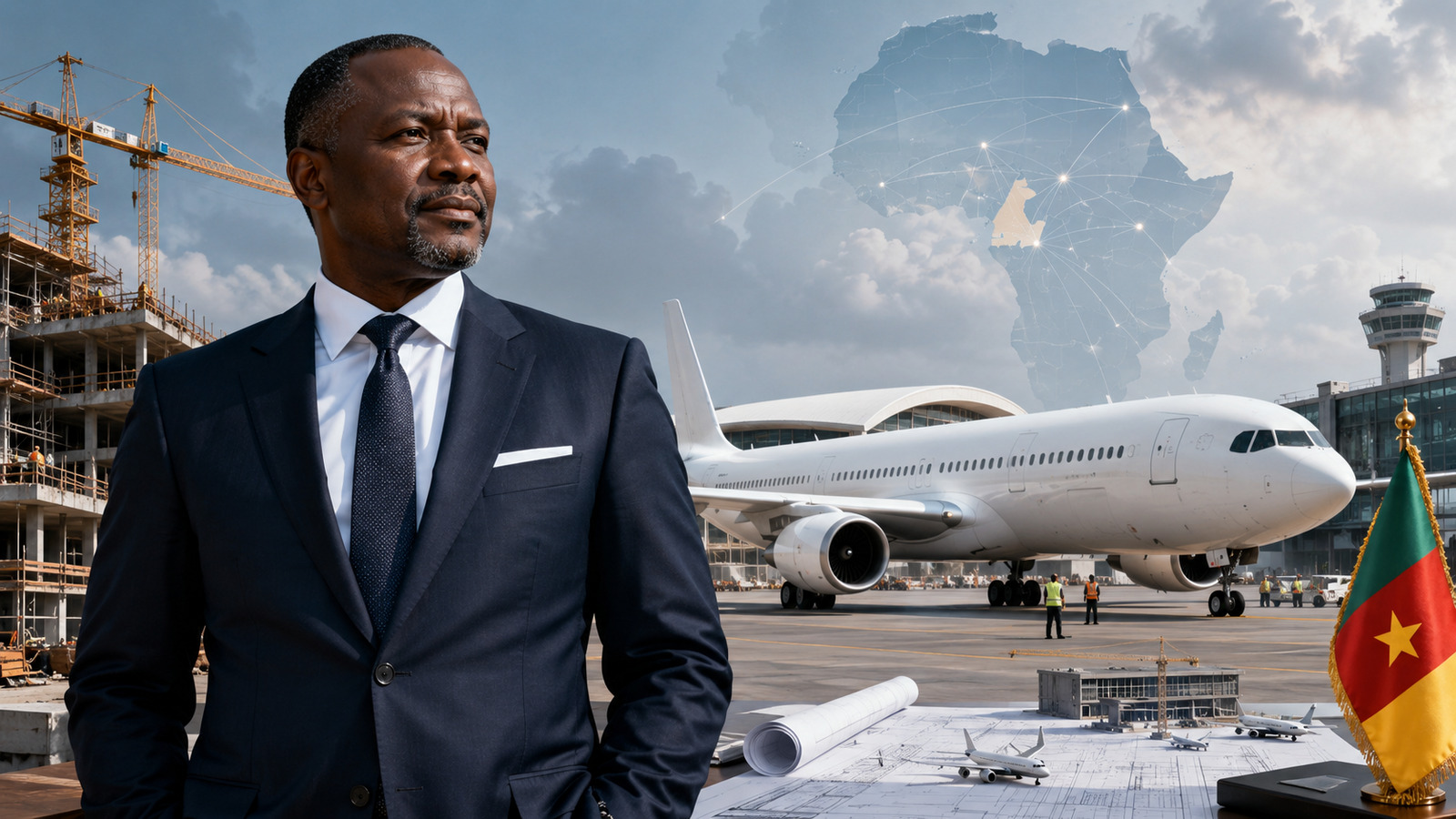
Among the upcoming contacts are leaders such as France’s Emmanuel Macron, Germany’s Friedrich Merz, the United Kingdom’s Keir Starmer, and the European Union’s Ursula von der Leyen.
Surcharge In Effect
As of August 6, the measure that increases the entry tariff for Brazilian products in the United States by 50% is in effect.
The Brazilian government believes that negotiations are stalled due to Trump’s decision. Members of the Palácio do Planalto assess that the American stance also has a political character amid Brazil’s internal situation.
In response, Lula announced a package of R$ 30 billion in credit for companies affected by the surcharge.
The measure aims to support exporters while the country tries to diversify markets.
Search For New Markets
In addition to the calls, the strategy includes strengthening exports to alternative destinations. South Africa and Mexico are on the immediate radar, but the European Union is also seen as a key partner at this moment.
The government believes that the movement is not limited to the Brics.
The interpretation is that the tariff imposed by Trump has an impact that goes beyond the emerging group, affecting the international trade system as a whole.
Dispute At The WTO
On August 11, Brazil formalized a request for consultations with the World Trade Organization (WTO). This move opens a dispute in the body against the tariffs imposed by the United States.
Lula stated, at an event at the Palácio do Planalto, that he intends to ask countries to take a position on the case. According to the president, the debate should not be just bilateral, but include the broader context of defending multilateral trade.
Multilateralism On The Agenda
The topic may gain traction within the Brics as well. Brazil holds the rotating presidency of the bloc and is looking to set a date for a virtual meeting among the leaders.
Among the points that could be included on the agenda are WTO reform and the need to strengthen collective negotiation mechanisms.
Lula’s allies assess that there is room for a joint position within the Brics, even though each country is addressing the tariff issue separately. Aligning would be a way to reinforce the group’s relevance amid tensions with the United States.