






 Portuguese
  Spanish


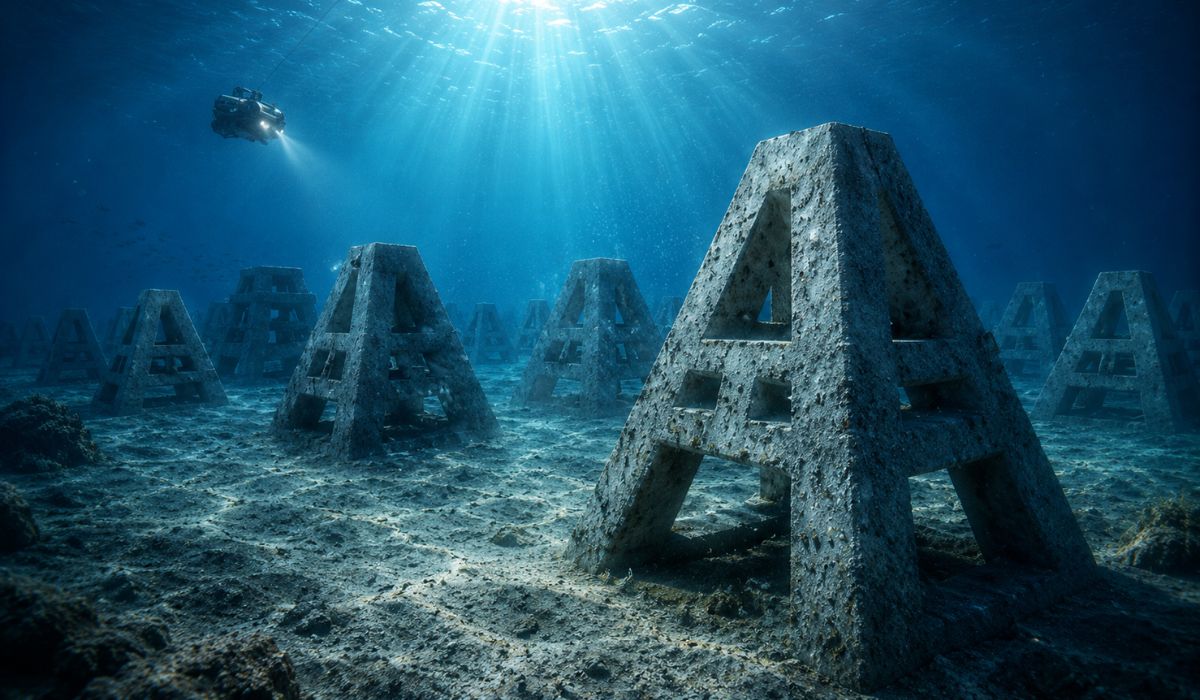


Dubai Reef Project creates a large-scale underwater network in the Gulf, with artificial modules planned to attract native species, restore marine habitats, and expand scientific monitoring of coastal ecosystems.
Dubai is deploying 20,000 artificial modules on the seabed to form a reef network across an area of 600 km² of coastal waters.
The project, called Dubai Reef, aims to create new shelter, feeding, and breeding grounds for marine species by 2027.
The first images released from the test site show schools of fish circulating among the already installed structures.
-
Black Granite Sarcophagus Found in Alexandria Reveals Three Skeletons, Strange Liquid, and an Ongoing Archaeological Mystery in Egypt

-
Childhood Psychology: Experts Highlight How Playing Outdoors Until Dusk Boosted Autonomy, Decision-Making, and Resilience in Previous Generations, Influencing Adult Behavior Today
-
Former Truck Driver from Brazil Builds Logistics Company Aiming for $70 Million Revenue with 11 Branches, 700 Monthly Clients, and $10 Million Fleet Investment

-
World’s First Plasma Dress Turns Fashion Show into Scientific Spectacle with Controlled Electric Discharges and Ionized Gases in Iris Van Herpen’s Groundbreaking Tech-Fashion Creation





Surveys conducted in the area identified an increase in the presence of fish from 15 native species, including snappers, groupers, and barracudas.
According to preliminary project data, marine biodiversity in the monitored section recorded an increase of about 10%.
The same survey indicates an eight-fold increase in fish biomass, an indicator used to estimate the total quantity of organisms in a given area.
The Dubai Reef is part of a sustainability initiative linked to Dubai Can and was launched under the directive of Sheikh Hamdan bin Mohammed bin Rashid Al Maktoum, Crown Prince of Dubai.
The proposal brings together public bodies, companies, and institutions linked to the environmental sector in actions for marine habitat restoration and ecological monitoring.

Artificial reef in the Gulf
The project’s implementation consists of installing structures designed to fulfill functions similar to those of natural reefs.
The modules create cavities, surfaces, and shaded areas that can serve as shelter for juvenile fish, encrusting organisms, mollusks, sponges, anemones, and corals.
Over time, the rigid surface of the pieces can be colonized by different forms of marine life.
Generally, microorganisms and small invertebrates attach first; then, other species approach in search of food, protection, and circulation areas.
As of the most recent phase disclosed, 39% of the planned modules had been manufactured and 3,660 units had been installed.
The official forecast is to complete the manufacturing and deployment of the 20,000 structures by 2027, at different depths and groupings defined by technical studies.

The pieces have varied shapes and sizes.
The project foresees more than six types of modules, including models called Arab Marine Pyramid, Reef Shade, and Fish Cube, designed to create distinct micro-environments on the seabed.
Each design serves specific functions, such as offering shelter, expanding surfaces for organism attachment, and forming passage areas for species associated with the seabed.
This structural diversity is used in restoration projects because different animals occupy spaces with distinct characteristics.
Marine life in artificial structures
Natural reefs are among the most diverse ecosystems in the oceans, but they face pressures related to warming waters, pollution, overfishing, and changes in coastal areas.
Artificial reefs do not replace preserved natural environments, but they are used in restoration projects when there is technical planning and scientific monitoring.
In Dubai’s case, the modules are installed on the seabed in locations chosen after surveys, modeling, and environmental assessments.
According to the project’s official information, the arrangement of the structures also considers navigation routes and maritime use areas, to reduce interference in passage channels.
The first front of the Dubai Reef is dedicated to marine habitat restoration.
This stage focuses on the manufacturing and installation of the modules, as well as monitoring the changes observed in the areas where the structures have already been placed.
Two other fronts complete the initiative: marine life rehabilitation and marine conservation research.
Together, they form the technical basis used to assess how the environment created on the seabed responds over time.
Initial figures indicate a greater presence of native species in the monitored location.
Nevertheless, the data released refers to the initial stages of the project and needs to be compared with new surveys in the coming years.
In projects of this type, an increase in fish in an area does not, in isolation, allow the conclusion that a complex and stable ecosystem has already been formed.
Ecological assessment depends on longer data series, including species reproduction, organism permanence, and balance among different marine groups.

Environmental monitoring of the Dubai Reef
The installation of artificial reefs requires analysis of factors such as the material used, structure design, water quality, depth, marine circulation, and connection with nearby natural habitats.
These elements directly influence the colonization and permanence capacity of species.
Marine restoration specialists often differentiate between fish concentration and effective population recovery.
A submerged structure can attract animals to a specific area, but the assessment of environmental gain depends on data regarding reproduction, population growth, and habitat stability.
For this reason, the Dubai Reef reports that it works with continuous scientific monitoring.
The assessment should observe not only the quantity of fish but also the diversity of species, the presence of sessile organisms, the formation of communities on the seabed, and the habitat’s resistance to environmental changes.
Another point monitored by the project is the relationship between the modules and local fish stocks.
The initiative states among its objectives to support food security and contribute to economic activities linked to the sea, but this result depends on adequate management and oversight.
The scale of the intervention also requires environmental monitoring.
The planned area of 600 km² represents a wide network of artificial habitats in coastal waters, making it necessary to evaluate possible effects on the dynamics of the seabed and on neighboring areas.


Project partners and goals
The Dubai Reef involves a coalition of public and private partners.
Participants include the Dubai Department of Economy and Tourism, the Dubai Environment and Climate Change Authority, DP World, Dubai Chambers, Nakheel, Ports, Customs and Free Zone Corporation, and Emirates.
The initiative is presented by the organizers as aligned with international sustainability goals, especially those related to climate action, life below water, and partnerships for sustainable development.
In practice, the project brings together environmental restoration, scientific research, sustainable tourism, and the blue economy.
The manufacturing of the structures began in 2024, with modules produced for installation at different depths.
Information released by local authorities indicates that the pieces can range from about 1.65 meters to 6.5 meters in height and be placed in areas with depths from 18 meters to over 25 meters.
The strategy is not based solely on coral transplantation.
The project relies on creating a physical base for natural colonization to occur progressively, according to the environmental conditions of each area.
This approach does not eliminate the pressures faced by reefs in the Gulf, a region marked by warm waters and intense coastal activity.
It does, however, allow for broad-scale monitoring of how artificial structures can influence the formation of marine habitats.




This looks like a very sound plan to recolonise over-fished spaces to reset and encourage natural fauna with solid structures to give strong anchors to the depleted natural habitat. BRAVO!!!