Portuguese
  Spanish


Scientific discovery reveals that respecting the body’s natural rhythm can transform the effects of physical activity, increasing results in heart, sleep, and metabolic health more efficiently and personally
Engaging in physical exercise is already widely recognized as one of the most effective strategies to protect the heart. However, a new study indicates that the time you train can be as important as the exercise itself. The information was released by “g1”, based on a study published in the scientific journal Open Heart, which analyzed how the alignment between physical activity and the so-called “biological clock” can enhance results.
According to the research, aligning training with chronotype – that is, the body’s natural rhythm – can significantly improve indicators such as blood pressure, sleep quality, metabolism, and cardiovascular health. This advance opens space for a more personalized approach to physical exercise, especially for people with cardiovascular risk.
Results show significant drop in blood pressure and heart improvement
The study was conducted as a randomized clinical trial with 150 sedentary adults, aged between 40 and 60 years. Participants were divided into two groups: one that trained according to their chronotype (morning or night) and another that exercised at a time opposite to their biological rhythm.
-
She heard for decades that space was not a place for women, became a pioneer in aviation, was part of the Mercury 13, and at 82, finally traveled with Jeff Bezos before dying at 87.

-
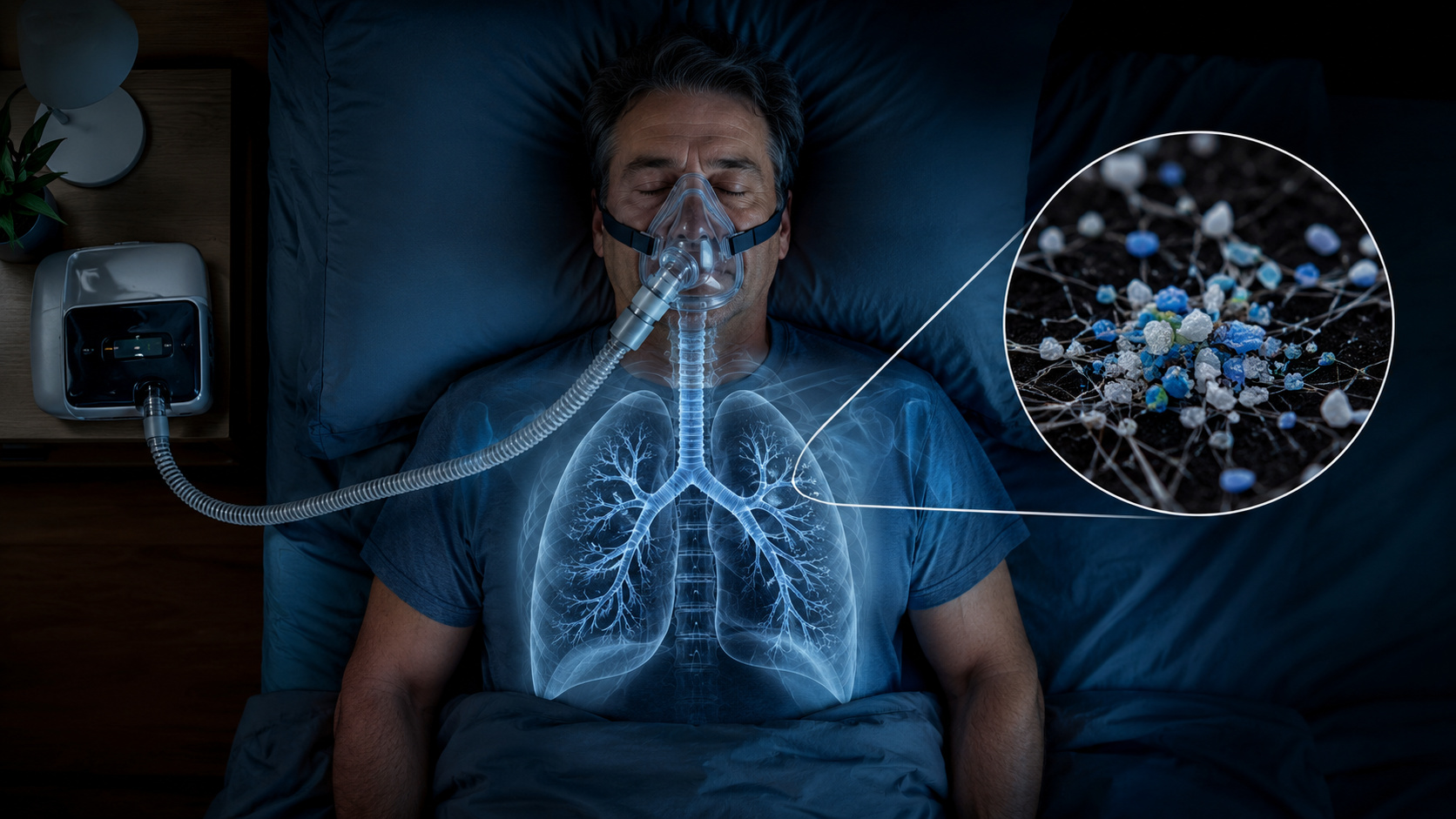
Scientists investigate microplastics in the airways of patients with sleep apnea and reveal a new focus for research on environmental pollution, human exposure, and possible impacts on breathing quality.
-
For the first time, scientists have seen the ocean floor open up in real-time—plates moving apart by two meters in a few days and 160 million cubic meters of lava emerging on the seafloor.
-
Iraq floats and sinks under an arm of the Euphrates 10 giant concrete boxes of 46,000 tons and 125 meters each to assemble a 2.4 km submerged tunnel and open a new land route between Asia and Europe.




After 12 weeks, the results were clear. Those who trained at a time compatible with their body showed much superior gains.
Among the main benefits observed are:
- greater reduction in blood pressure
- improvement in heart rate variability
- increase in cardiorespiratory capacity
- reduction in LDL cholesterol
- drop in fasting glucose
- significant improvement in sleep quality
Furthermore, blood pressure showed a significant difference between the groups. On average:
- 10.8 mmHg reduction in the chronotype-aligned group
- 5.5 mmHg reduction in the misaligned group
When only participants with hypertension were analyzed, the numbers are even more impressive:
- 13.6 mmHg drop in the aligned group
- 7.1 mmHg reduction in the misaligned group
According to researcher Arsalan Tariq, these results occur because individuals with hypertension already show greater physiological dysregulation. Therefore, aligning exercise with chronotype helps stabilize circadian processes, such as hormonal activity and the nervous system.
Morning or night? The answer is in your own body
One of the most important points of the study is that there is no universal ideal time to train. In practice, everything depends on your biological profile.
People with a morning profile tend to perform better when training in the morning. Individuals with a nocturnal tendency, on the other hand, gain more benefits when exercising at night.
This happens because chronotype directly influences:
- sleep and wake patterns
- hormone release
- energy levels throughout the day
The so-called circadian rhythm coordinates various bodily functions, such as blood pressure, heart rate, glucose metabolism, and vascular function. Therefore, when there is a misalignment, known as “social jet lag,” the body suffers negative impacts.
To identify your chronotype without tests, Tariq suggests a simple question:
“At what time of day do you naturally feel most energetic and productive?”
If you wake up easily and feel energetic in the morning, you are probably a morning person. On the other hand, if you have difficulty waking up and are more productive at night, your profile is evening.
Simple strategy can improve adherence and prevent diseases
Another relevant point observed in the research was the improvement in exercise adherence. Participants who trained at their preferred time showed greater consistency in practice.
This shows that respecting one’s chronotype not only improves physical results but also increases regularity — an essential factor for long-term health.
Furthermore, researchers highlight that considering biological rhythm in exercise prescription can be a simple and low-cost strategy to prevent cardiovascular diseases.
Nevertheless, the study presents some limitations. Participants were from public hospitals in Lahore, and individuals with an intermediate chronotype were excluded. Therefore, the results still need to be validated in more diverse populations.
Still, experts believe that this approach could revolutionize health recommendations in the future.
As Tariq emphasizes:
“Exercise works at any time, but when done at the right time, the results are better”.
Have you noticed if you perform better training in the morning or at night? What time makes you feel best in your daily life?