Portuguese
  Spanish


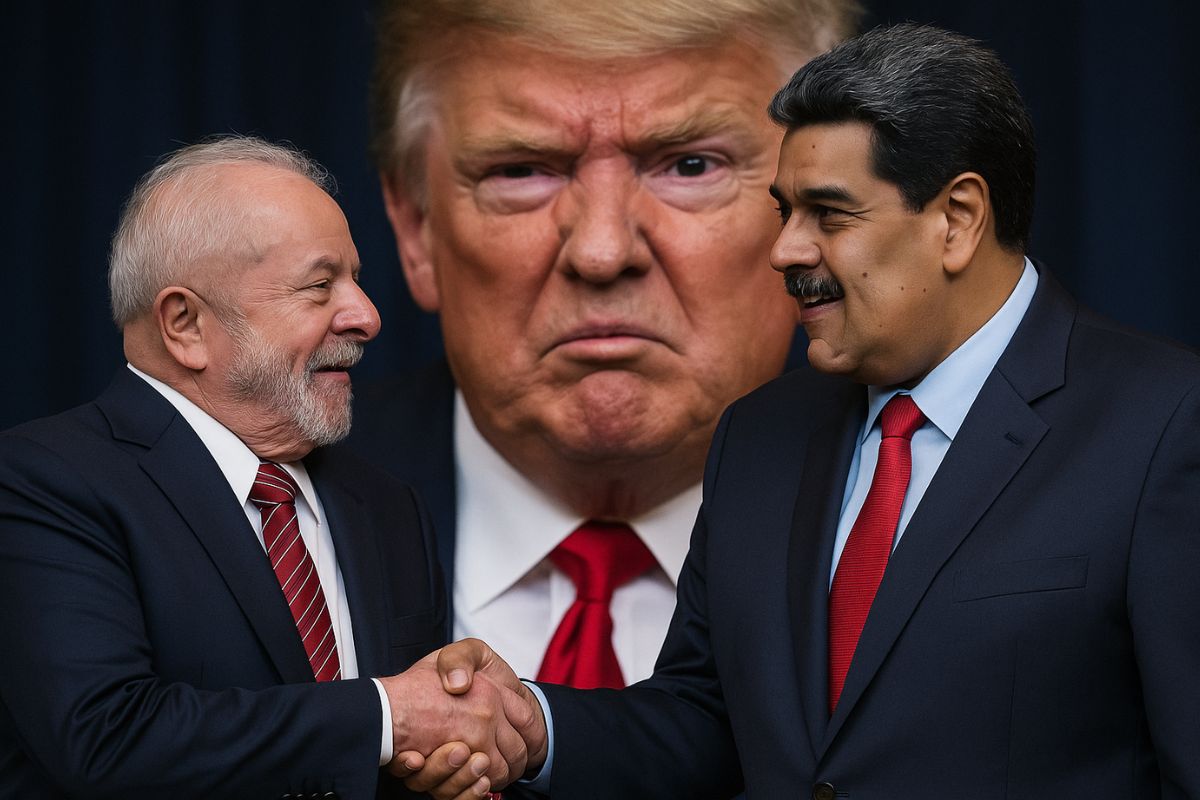


Practical Approach and Political Clampdown: Brazil Reopens Flights to Caracas While the US Doubles the Bounty on the Venezuelan Leader.
The first week of August 2025 brought two opposing events in regional politics. On one hand, Brazil made a move towards rapprochement with Venezuela by resuming direct flights between São Paulo (GRU) and Caracas (CCS), operated by GOL Linhas Aéreas, after nearly a decade without regular air connections.
On the other hand, the United States increased the bounty for information leading to the arrest and/or conviction of Nicolás Maduro to US$ 50 million. The coincidence of these actions — on one side, open bridges from Brasília; on the other, the expanded clampdown from Washington — reorganizes the diplomatic landscape and raises questions about the balance between economic pragmatism, human mobility, and sanctions.
Air Reopening: A Practical Gesture with Political Effects
On August 5, GOL reopened the São Paulo/Guarulhos – Caracas/Simón Bolívar route with four weekly flights (Tuesdays, Thursdays, Saturdays, and Sundays). For the airline, Caracas becomes its 18th international base, while Guarulhos strengthens its role as a hub in the Southern Cone. In addition to commercial operation, the resumption signifies the normalization of business and tourism flows and, most importantly, facilitates the lives of thousands of Venezuelans living in Brazil.
-
U.S. Establishes Permanent Embassy in Jerusalem, Reigniting International Debate Over Israel’s Capital

-
The world has nearly 12,000 nuclear warheads, with the majority held by the United States and Russia; see the figures for China, France, and the United Kingdom.

-
Venezuela Faces UN Alert for Hunger, Disease, and Service Collapse After Earthquakes Cause Nearly 2,000 Deaths and $6.7 Billion in Damages

-
Brazil Deploys Navy Field Hospital with ICU, Orthopedics, Pediatrics to Earthquake-Stricken Area in Venezuela, Offering 30 Beds and 150 Daily Consultations


The connection comes after about eight to nine years of interruption and meets a latent demand: it is estimated that 271,000 Venezuelans reside in Brazil, many needing to maintain contact with family and resolve personal matters in their home country.
The new route reduces time and costs compared to itineraries with layovers in third countries, potentially boosting bilateral trade that, although small compared to other Brazilian partnerships, tends to grow with greater connectivity.
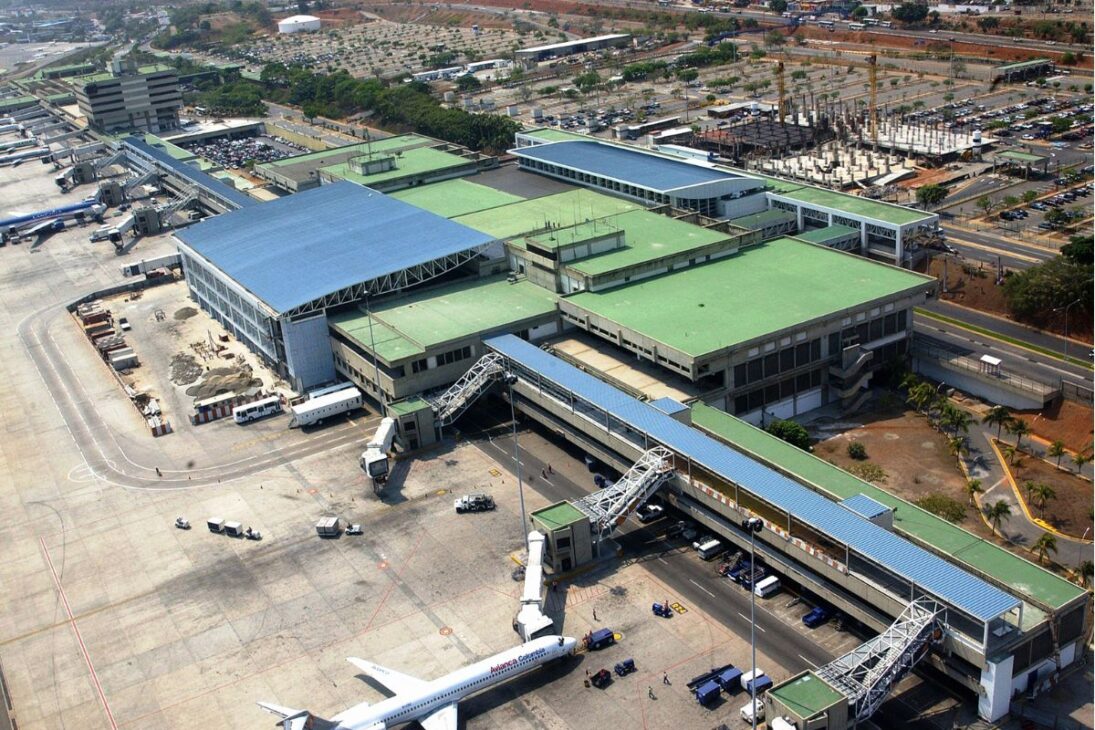
For the Brazilian government, the resumption of flights fits into a foreign policy aimed at maintaining channels of dialogue and gradually normalizing relations with Caracas — something that has been underway with the reopening of borders and consulates.
Although the decision is business-driven, the political reading is inevitable: rapprochement does not equate to approval of the Venezuelan system, but rather the construction of means to manage a complex neighborly relationship.
The Other Move: US Increases Bounty to US$ 50 Million
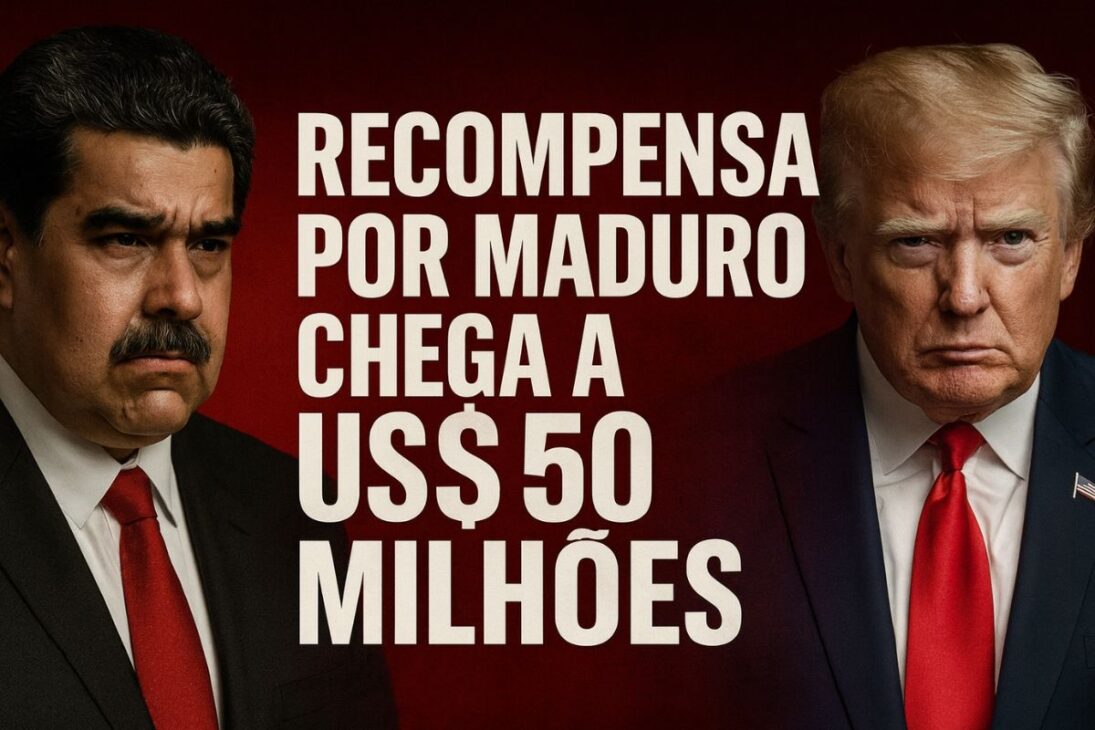
At the same time, the United States announced the increase of the bounty for Maduro to US$ 50 million, under its reward programs. The measure, announced in the second week of August, doubles the previous amount and is based on accusations of drug trafficking and ties to criminal organizations such as Tren de Aragua and Sinaloa Cartel, as well as a history of allegations related to the so-called Cartel de los Soles. Caracas reacted by labeling the action as “propaganda” and “interference.”
The increase should be understood within a broader context: since the Venezuelan elections in 2024 and subsequent episodes of political tension, Washington has alternated between periods of relief and tightening of sanctions as it assesses the stance of the Maduro government.
The elevation of the bounty thus represents a pressure message, aimed at weakening external support and raising the cost of the current regime’s endurance in power.
Two Coexisting Strategies
The reopening of flights and the increase in the bounty do not cancel each other out but represent two different approaches to the Venezuelan crisis. Brazil favors a pragmatic approach, focused on managing a neighbor with whom it shares thousands of kilometers of border and who directly influences migratory and economic issues in states like Roraima and Amazonas. Air connectivity, consular presence, and trade are tools that, from the Brazilian perspective, can reduce tensions and organize flows.
The United States, on the other hand, prioritizes the criminal accountability of key chavista figures and seeks to politically isolate the power circle in Caracas. The new bounty reinforces deterrence and signals to banks, companies, and allied governments that Washington’s stance remains firm. The result is a variable geometry in the region: while some countries opt for gradual reintegration, an external power bets on escalating punitive measures.
Possible Short-Term Impacts
Mobility and Remittances. With direct flights, an increase in family visits, business, and ethnic tourism is expected, which may also affect the volume of remittances and stimulate sectors such as hospitality and insurance. GOL has already stated that the route is part of its international expansion plan, potentially leading to future flight-sharing agreements with other airlines.
Trade. Although air transportation is not the main channel of trade between Brazil and Venezuela, the visibility of the new route may stimulate business relations and foster sectors such as food, pharmaceuticals, and light automotive parts, especially if there is an expansion of destinations and frequencies.
Political Climate. The US$ 50 million bounty adds pressure to the scenario: it complicates the international movement of Venezuelan authorities and may dissuade investments due to fears of negative repercussions. Even though the measure is directed at individuals, its indirect effects impact the economy and diplomacy.