Portuguese
  Spanish


Brazilian Traffic Still Distant from the Most Chaotic Cities in the World
A survey by Inrix, recently released, analyzed the biggest traffic jams on the planet.
The study showed that no Brazilian city appears among the ten most affected.
Although Brazil faces urban challenges, drivers are not experiencing the same level of daily delays.
In comparison, drivers in major international metropolises suffer more severe impacts on their commutes.
Global Ranking Led by New York and Europe in the Spotlight
According to surveys, New York ranks first.
The city recorded average delays of 1 hour and 41 minutes per driver in 2024.
Following closely, London and Paris have times of 1 hour and 39 minutes and 1 hour and 37 minutes, respectively.
In addition, Mexico City appears among the negative highlights, averaging 1 hour and 36 minutes per trip.
Also featured in the ranking are Chicago, Istanbul, Los Angeles, Boston, Cape Town, and Brisbane.
These data reveal how population density directly influences the worsening of traffic in 2025.
Limited road infrastructure also plays a decisive role in the problems faced in these metropolises.
Rio de Janeiro Leads in Brazil According to Moovit Research
A survey from the Moovit app, conducted in 2023 and published in January 2025, reinforces the Brazilian situation.
The data showed that Rio de Janeiro has the highest average commuting time in the country.
The average was 58 minutes per trip, according to the analysis.
In the global scenario, the fluminense capital ranks eighth.
This result places the city ahead of Istanbul and Mexico City.
Brasília follows closely behind, with an average of 57 minutes per trip.
Porto Alegre records the shortest time among Brazilian capitals, with 48 minutes per commute.
The research analyzed millions of planned commutes in 50 different cities.
The study emphasizes the impact of urban mobility on the daily lives of Brazilians.
-
New Smart Radar Begins Issuing Fines to Solo Drivers in Carpool Lanes, Uses Cameras to Count Occupants, Changing Traffic Enforcement Rules on Busy European Roads

-
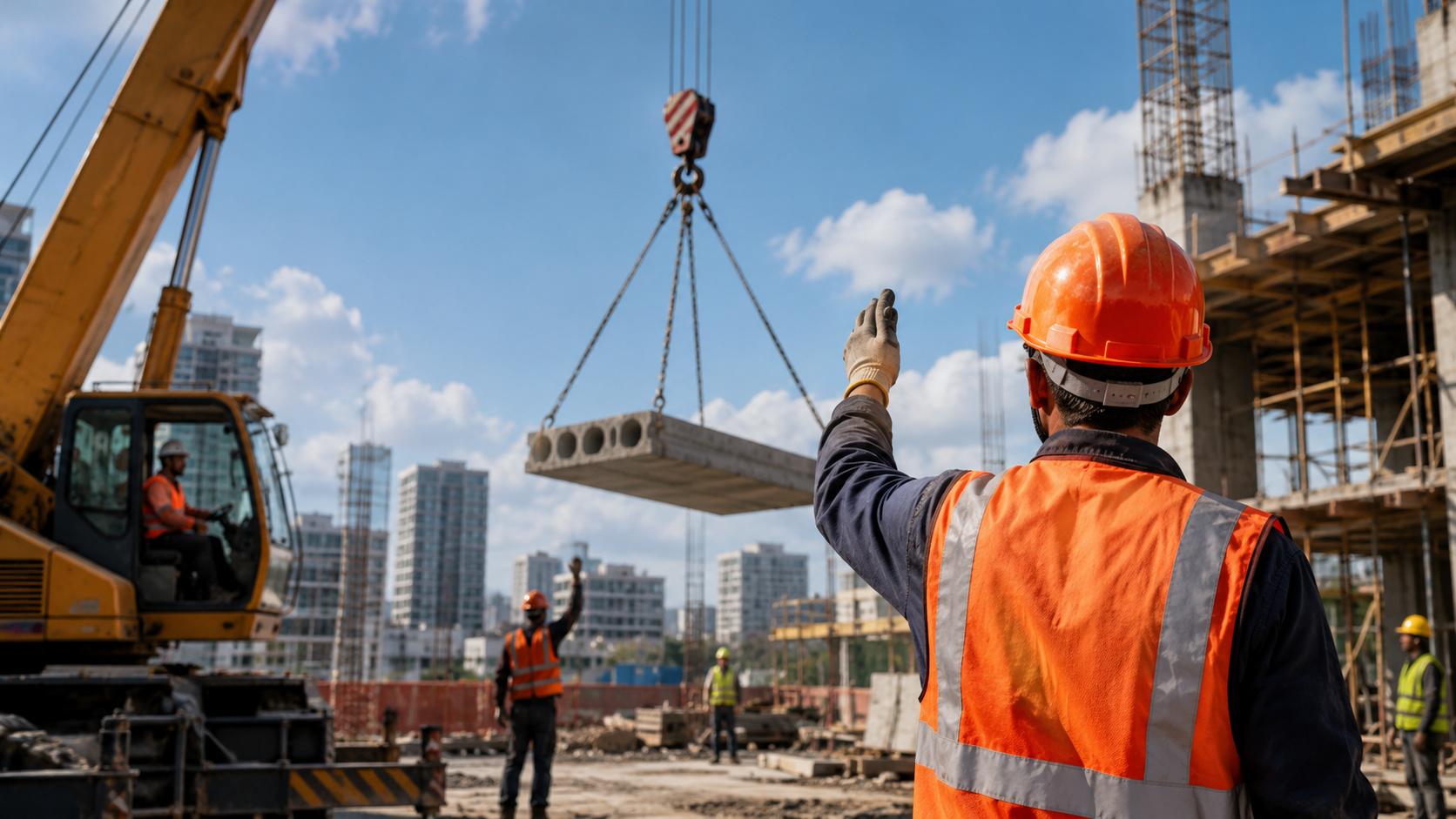
Why can the crane operator only obey the correct signalman on the construction site: among dozens of workers, a hand raised by the wrong person can confuse the maneuver and turn a load of tons into an immediate risk.
-
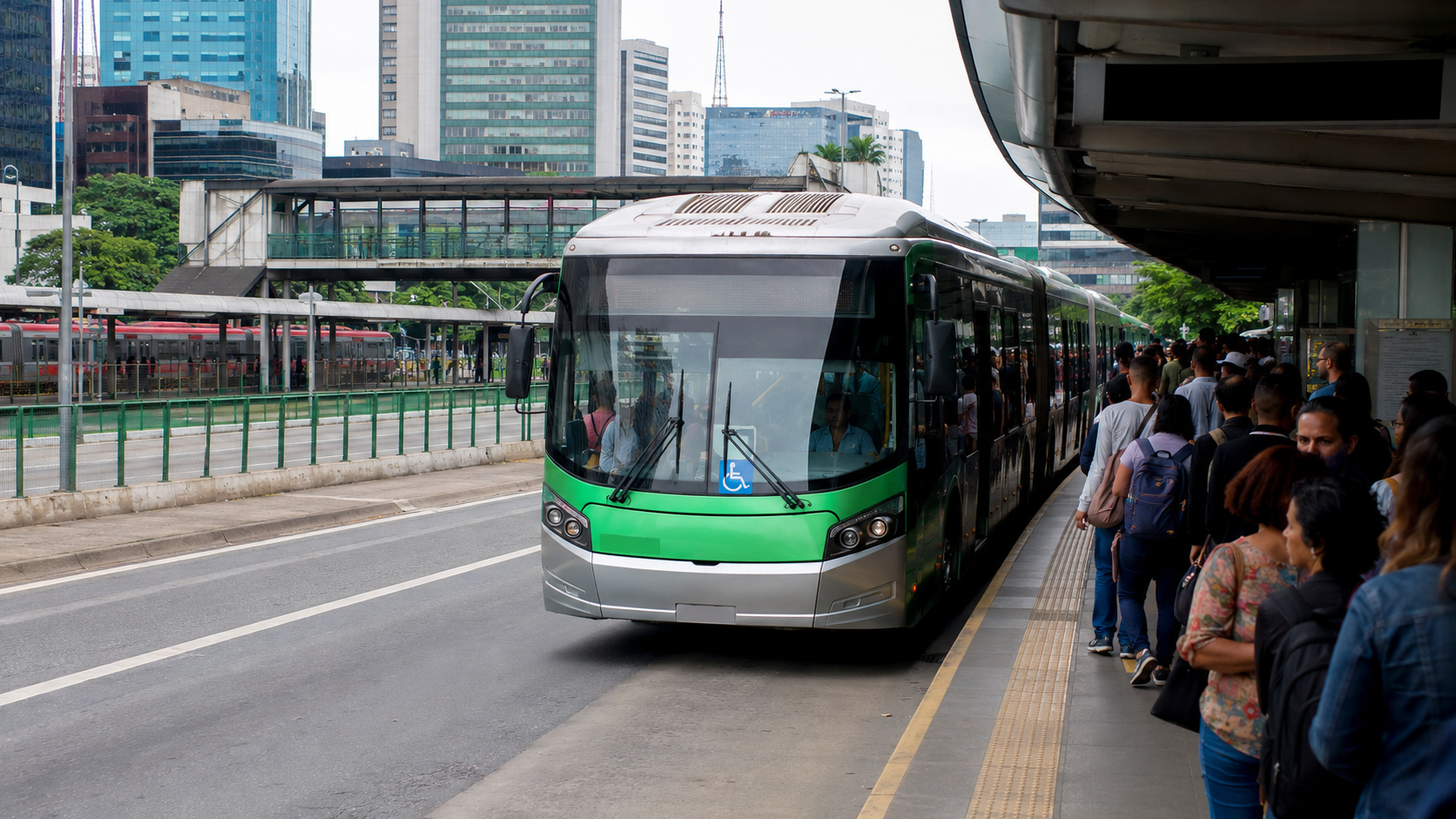
What changes with the new public transportation rules that can reduce pressure on fares and pave the way for zero fare in Brazil?
-
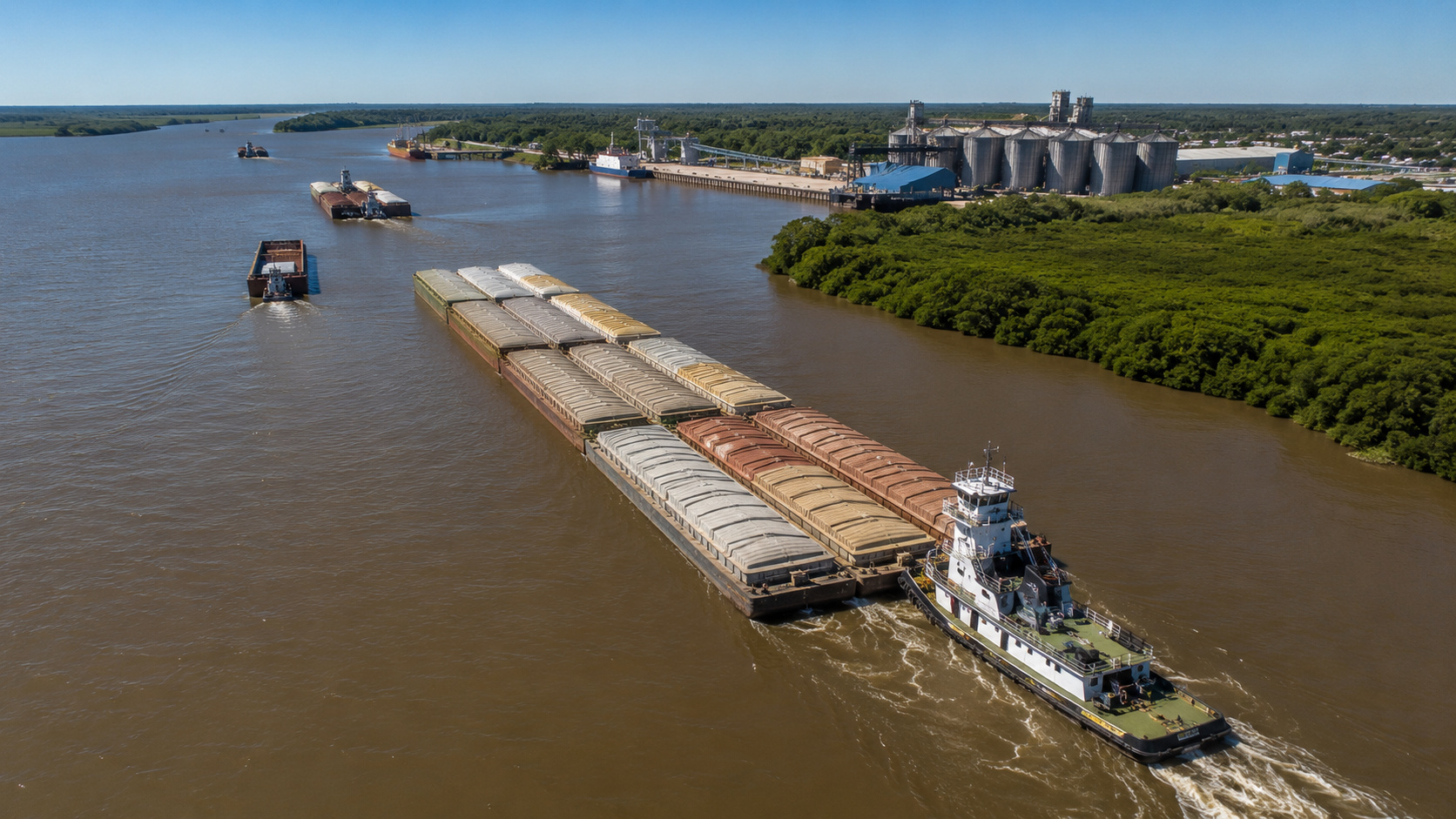
Argentina confirms Belgian giant to lead strategic Paraná River waterway and promises to reduce logistical costs on one of South America’s most important routes

Factors That Reduce the Impact of Congestion in the Country
Although Brazilians endure long commutes, Brazil does not appear among the ten worst in the world. Additionally, this position can be explained by structural measures.
Among these measures are dedicated bus corridors in major capitals. Moreover, the promotion of sustainable transportation and continuous investments in higher-capacity public transport stand out.
Likewise, infrastructure works complement this set of solutions. Therefore, even though efforts are insufficient given the accelerated urban expansion, they have helped reduce impacts.
Consequently, these initiatives are already showing results. Indeed, they have partially reduced the impact of traffic, even though the challenge remains significant and persistent.
Official List of the Ten Most Congested Cities According to Inrix
- New York (USA): 1h41
- London (England): 1h39
- Paris (France): 1h37
- Mexico City (Mexico): 1h36
- Chicago (USA): 1h36
- Istanbul (Turkey): 1h31
- Los Angeles (USA): 1h29
- Boston (USA): 1h28
- Cape Town (South Africa): 1h23
- Brisbane (Australia): 1h14
Based on these results, it is clear that the Brazilian challenges remain constant.
Nevertheless, Brazilian cities have not yet reached the critical level of congestion recorded in major global centers.
Will Brazil be able to maintain this position in the coming years with accelerated urban growth?