Portuguese
  Spanish


Known for his career on television, Victor Fasano found a new mission in environmental conservation and today participates in projects that help attract birds, pollinators, and wild species to strategic areas of Serra da Canastra, in Minas Gerais
For many years, Victor Fasano was a well-known face on Brazilian television. With memorable appearances in soap operas and high-audience programs, the actor gained national fame and became a popular figure among the public. However, away from studios and spotlights, he decided to follow a completely different path: dedicating his life to environmental preservation. According to information released on the ‘Diário do Campo’ channel, in a video recorded in the Serra da Canastra region, in Minas Gerais, Fasano currently leads initiatives aimed at recovering fauna and strengthening local ecosystems.
The work takes place in partnership with entrepreneurs and rural landowners in the region, including Abílio Júnior, responsible for the tourism enterprise Encantos da Canastra, located near the municipality of São João Batista do Glória. The proposal goes far beyond traditional landscaping. The goal is to create environments capable of offering food, shelter, and ideal conditions for birds, pollinating insects, and other wild animals to naturally return to areas where their presence has become increasingly rare.
The initiative is developed through the Airon Ambiental project, conceived by Victor Fasano. The proposal emerged from a simple but powerful philosophy: using plant species capable of directly benefiting the local fauna, creating true ecological corridors and feeding points for different species.
-
Simple Aluminum Foil Trick Can Easily Remove Excess Ice from Freezer and Simplify Cleaning

-
College Dropout Turned Window Cleaner Builds $1 Million Cleaning Business with Subscription Model After 18 Years of Door-to-Door Work

-
North Korean Soldier Risks Crossing One of the World’s Most Dangerous Borders, Detained in South Korea

-
Stingless Bee Honey from Brazil Can Cost Up to $120 a Liter, Surprises with Flavors of Wood, Citrus, and Even Cheese


A project that turns plants into true restaurants for the fauna
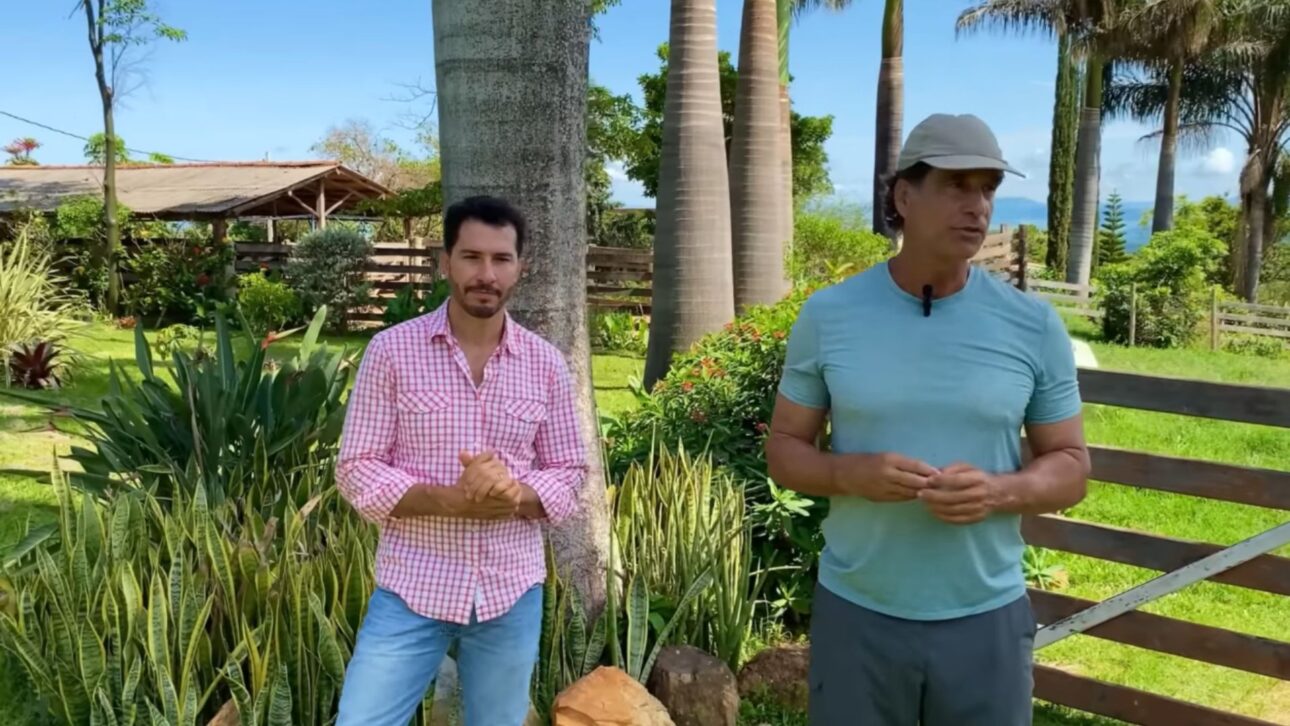
During the visit to Serra da Canastra, Victor Fasano explained that the choice of plants follows very specific criteria. Unlike many conventional landscaping projects, where aesthetics are usually the main concern, the focus is on the ability of each species to feed and attract animals.
According to him, each tree, shrub, or flower is selected with its ecological role in mind. Some offer nectar for hummingbirds, others produce fruits for birds and mammals, while certain species attract insects that, in turn, serve as food for insectivorous birds.
The logic is simple: when food is available throughout the year, biodiversity naturally increases.
“If you plant the right tree, it brings the pollinators. When the insects arrive, the birds also come. Then the predators appear, and the ecosystem starts functioning again,” Fasano explained during the recording.
This strategy has produced visible results on the property. Bird species that were rarely observed have started to frequent the region more regularly. Additionally, the increased presence of bees and other pollinators demonstrates that the environment is becoming increasingly favorable to wildlife.
Serra da Canastra gains new feeding areas for birds and pollinators
Located in one of the most important regions for environmental conservation in Brazil, Serra da Canastra is home to a vast diversity of native species. Still, many areas modified by human activity end up offering few resources for animals.
This is precisely where the project aims to act.
Over the past few years, dozens of plant species capable of blooming at different times of the year have been implemented. This way, there is always some food source available for birds, insects, and small mammals.
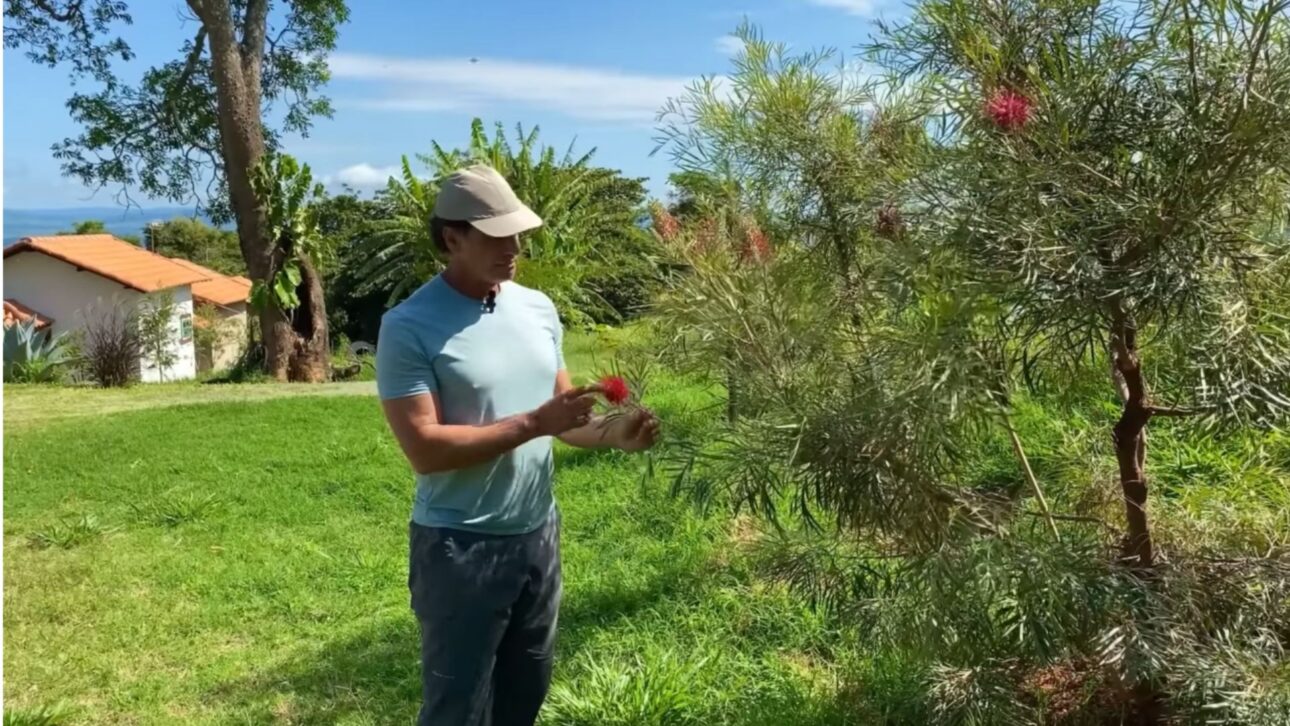
Among the plants used are silk floss trees, trumpet trees, sapucaias, coral trees, rosewoods, grevilleas, cuspidarias, and various other species selected for their ecological and ornamental importance.
Additionally, some non-invasive exotic plants are also incorporated into the projects. According to Fasano, the main criterion is that they contribute to feeding the fauna without causing negative impacts on the local environment.
The result is a scenario that combines environmental conservation, sustainable tourism, and the appreciation of biodiversity.
Visitors to the property find not only blooming gardens but also an increasingly rich nature observation experience, with birds, insects, and other animals freely roaming the space.


From Television to Nature Conservation
Although many still associate Victor Fasano with his artistic career, the actor states that his connection with nature began long before fame.
Raised in rural environments and surrounded by family members passionate about the environment, he developed an interest in Brazilian fauna and flora from an early age. Over the years, this interest transformed into a life mission.
Currently, the Airon Ambiental project participates in initiatives of ecological restoration, flora enrichment, and species reintroduction in different regions of the country. Among the works mentioned by Fasano are projects carried out in Minas Gerais, Bahia, and other environmental preservation areas.
According to him, raising people’s awareness is one of the most important stages of conservation.
The idea is to make residents and visitors realize the importance of the plants and animals living around them. When a person understands that a particular tree feeds birds, produces flowers for pollinators, and helps maintain environmental balance, they begin to value and protect that space.
In the Serra da Canastra, this philosophy is already starting to produce concrete results. Areas once unattractive to fauna are becoming feeding and gathering points for various species, reinforcing the importance of initiatives that combine tourism, environmental education, and nature conservation.