Portuguese
  Spanish


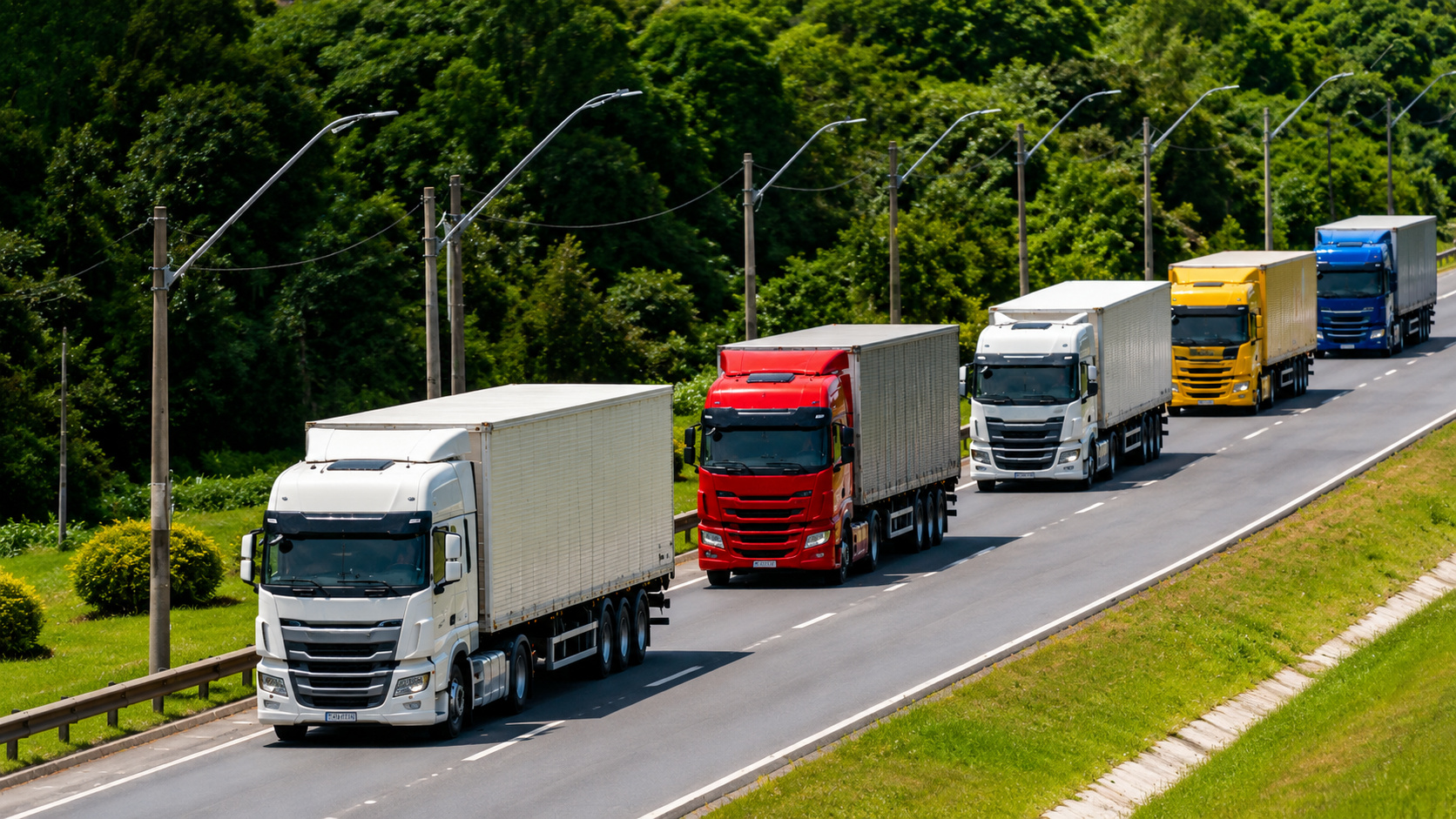

MBRF expands use of AI in deliveries, reduces delays, improves route optimization, and boosts efficiency in the logistics sector in Brazil.
Digital transformation is rapidly changing the way products circulate across the country. One of the most recent examples comes from MBRF, one of the largest food companies in the world, which has started using an artificial intelligence-based solution to reorganize distribution routes in real-time, reducing delays and increasing operational efficiency.
The technology was developed to serve more than 2,500 trucks in the company’s secondary logistics fleet, responsible for deliveries to customers. The system evaluates variables such as traffic, weather conditions, road speeds, driver shifts, and customer-defined receiving times to determine the best possible route.
The initial results already show significant impacts. In a pilot project conducted at the end of 2025, involving about 16,000 deliveries, the company recorded a 5% reduction in delays and an approximately 7% increase in operational efficiency. Now, the solution has been expanded to all the company’s regional offices in Brazil.
-
Why can the crane operator only obey the correct signalman on the construction site: among dozens of workers, a hand raised by the wrong person can confuse the maneuver and turn a load of tons into an immediate risk.

-
What changes with the new public transportation rules that can reduce pressure on fares and pave the way for zero fare in Brazil?
-
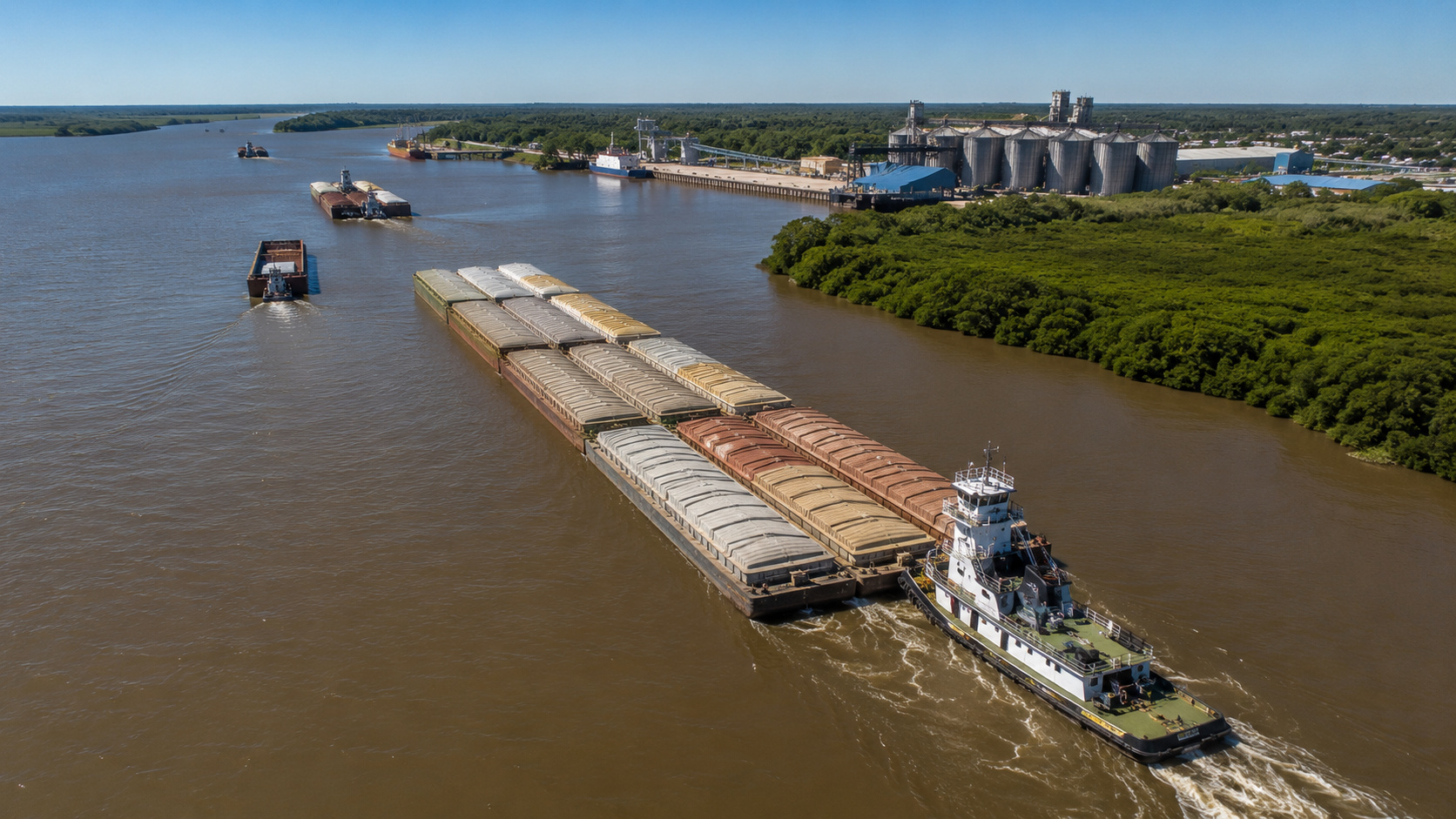
Argentina confirms Belgian giant to lead strategic Paraná River waterway and promises to reduce logistical costs on one of South America’s most important routes
-
With deep ports and strategic railway, Espírito Santo advances to compete with Santos and attract foreign trade cargo.

MBRF bets on artificial intelligence to make deliveries faster and more predictable
The increasing complexity of transportation operations demands ever faster responses. It was precisely to face this challenge that MBRF invested in a dynamic route resequencing platform.
The tool uses artificial intelligence to analyze thousands of pieces of information simultaneously and recalculate routes whenever an unforeseen event occurs. Instead of following a fixed plan, the system adapts the routes according to the reality found on the roads.
In practice, this means that deliveries can maintain a higher level of punctuality even in the face of unexpected situations, such as traffic jams, accidents, or weather changes.


How the optimization technology used by MBRF works
The solution’s differential lies in its ability to make real-time decisions. The software continuously monitors factors that can impact operational performance and identifies more efficient alternatives for each route.
Among the main data analyzed are:
- Current traffic conditions;
- Weather information;
- Average road speeds;
- Drivers’ working hours;
- Customer receiving schedules;
- Operational situations that arise during deliveries.
By cross-referencing all this information, the platform constantly optimizes routes, always seeking to reduce the time needed to complete operations.
This adaptability represents an important advantage in an increasingly dynamic logistics environment.

Logistics sector accelerates digital transformation with AI use
The advancement of AI is profoundly changing the logistics sector worldwide. Companies that once relied solely on manual planning can now use advanced algorithms to improve decision-making.
In the case of MBRF, the technology was developed to meet the company’s specific operational needs. The initiative was born from the company’s connection with the innovation ecosystem and the development of a customized digital product.
According to Antônio Cesco, the company’s Director of Digital Transformation, the goal of new technologies is to generate tangible gains for the operation and increase business returns. In this context, the intelligent routing platform emerges as a strategic tool to enhance efficiency.
Pilot project showed real gains for deliveries
Before national implementation, the technology underwent a testing phase in the Southern Region of the country. The pilot involved approximately 16,000 deliveries carried out during the evaluation period.
The results observed caught the company’s attention:
- 5% reduction in route delays;
- Approximate 7% gain in operational efficiency;
- Fewer returns due to delays;
- Better utilization of logistical resources;
- Reduction in the time needed to complete operations.
These indicators reinforce how artificial intelligence can produce measurable improvements when correctly applied to logistical activities.
Besides operational gains, the results also served as a basis to justify the expansion of the solution throughout the national territory.
Route optimization reduces costs and improves fleet utilization
When a company manages to shorten routes or avoid unnecessary travel, the benefits appear in various areas of the operation.
Route optimization allows for better vehicle utilization, reduces idle time, and increases team productivity. This has direct effects on logistical costs and customer service capacity.
In the case of MBRF, the expectation is that the solution will achieve up to a 20% gain in operational time for secondary logistics at its most advanced stage of use.
Considering that the company carries out more than 35,000 routes monthly with its light fleet, small percentage improvements can represent significant impacts over the year.
Artificial intelligence helps drivers face unforeseen events on the roads
The technology not only benefits company management. Drivers also start to rely on a system capable of guiding decisions more efficiently during trips.
By identifying changes in route conditions, the software presents more suitable alternatives to maintain the delivery schedule.
This reduces the need for improvised decisions and helps decrease the time spent in situations that could compromise the operational schedule.
According to information released by the company, the solution also contributes to reducing the time needed to complete daily activities, making work more efficient.
MBRF expands technology to more than 2,500 trucks throughout Brazil
After validating the results obtained during the tests, MBRF decided to expand the use of the platform to all its regional offices.
As a result, approximately 2,500 drivers began operating using the new technology daily. The measure represents one of the largest recent movements of practical application of artificial intelligence aimed at deliveries within the food sector in the country.
According to Loriano Rigo, the company’s Logistics Director, the logistics operation is constantly subject to external factors that are difficult to predict. Therefore, tools capable of adjusting routes in real-time are becoming increasingly relevant to ensure the fulfillment of established deadlines.
The national expansion demonstrates the company’s confidence in the results achieved during the initial phase of the project.
The future of deliveries involves the combination of AI and operational efficiency
The experience of MBRF shows how artificial intelligence is transitioning from being just a trend to becoming a practical management tool.
By analyzing real-time data and automatically recalculating routes, the technology allows for increased efficiency, reduced delays, and better utilization of available resources. The results obtained in the pilot project, with a 5% reduction in delays and about a 7% gain in operational efficiency, reinforce this potential.
With more than 35,000 routes carried out monthly and an operation supported by approximately 2,500 trucks, the company bets that continuous optimization could generate gains of up to 20% in the operational time of secondary logistics.
In an increasingly competitive market, initiatives like this show that the future of the logistics sector will be strongly influenced by the combination of artificial intelligence, automation, and data-driven decision-making.