






 Portuguese
  Spanish
  3 min of reading
  0 comments


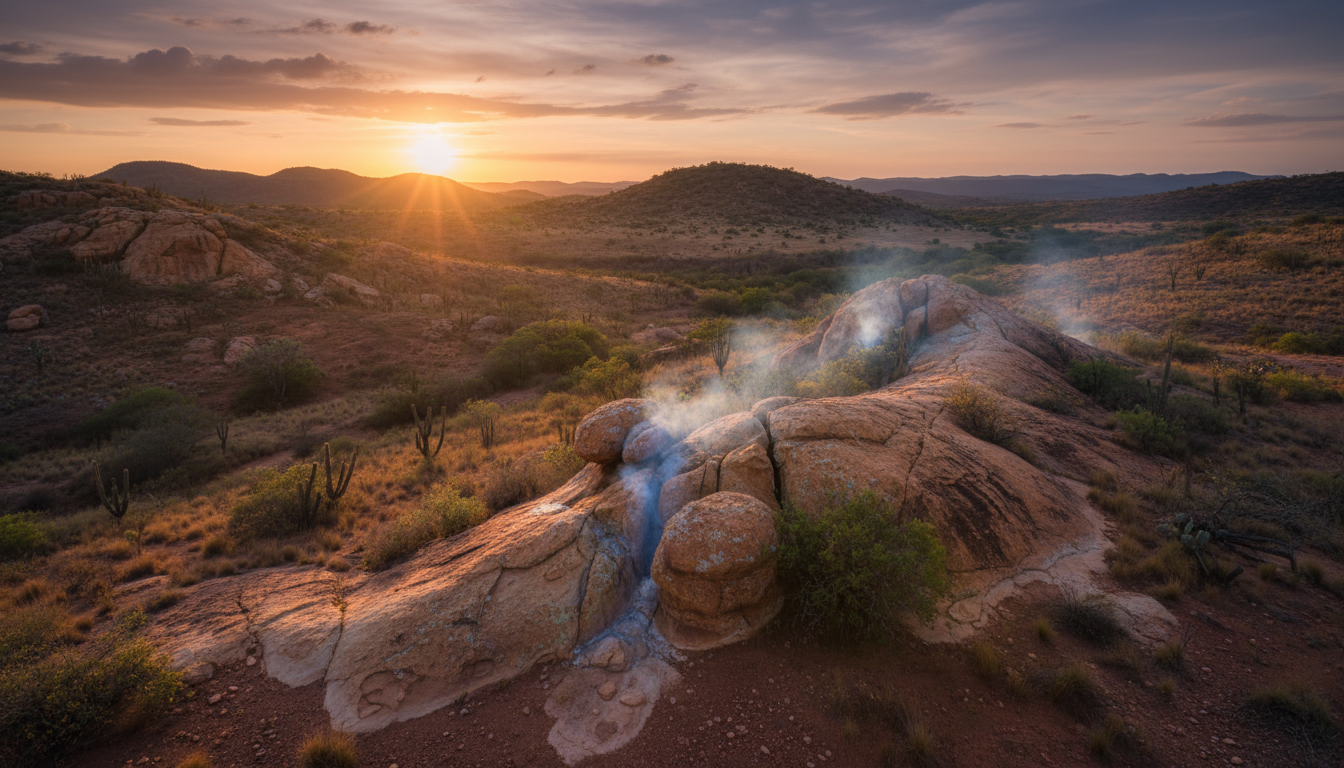
Brazil has entered the silent race for **natural hydrogen** with mapped reserves in at least four states — Ceará, Roraima, Tocantins, and Minas Gerais. According to a report by COPPE-UFRJ, the areas are in the research phase, an initiative by companies GEO4U and Engie Brasil.
The term “natural hydrogen” also appears in papers as geological hydrogen or white hydrogen. It is a gas that forms spontaneously underground from the reaction between iron-rich rocks and water. It does not require electrolysis.
Therefore, it costs less than gray hydrogen derived from natural gas or green hydrogen produced by electrolysis. According to specialists, it is an energy vector that can shorten transition shortcuts. When it works, it comes out of the ground ready for use.
-
A discarded microwave may contain 22-carat gold in internal components; study recovered a 450 mg nugget from electronic boards.

-
Who has the highest IQ: the oldest child, the middle child, or the youngest? A study with 240,000 people published in Science reveals a difference of up to 3.2 points and indicates which position in the family tends to have an advantage.
-
A YouTuber spent almost a year transforming the failed invention into an autonomous flying umbrella: the drone uses a camera and Raspberry Pi to follow the person and protect them from the rain on its own.
-
The first trillionaire in history, Elon Musk notices Brazil and its internet, Starlink, which works even in the middle of nowhere, emerges for just R$ 600, fits in a backpack, operates via satellites, and offers dual-band Wi-Fi with WPA3 security.


Why Petrobras has already invested R$ 20 million in natural hydrogen
Petrobras began studies on natural hydrogen in October 2023. The research started in the state of Bahia. According to Agência Petrobras, the company announced investments of R$ 20 million in the program.
The focus is to map locations where hydrogen forms, such as ultrabasic rocks, geological faults, and specific basins. The state-owned company works with Brazilian universities and international partners. Despite this, the operation is still experimental.

Petrobras’ forecast is to extend the research to other states after Bahia. The goal is to understand if Brazil has a commercial volume of natural hydrogen. If confirmed, it is potentially the country’s biggest energy trump card since pre-salt.
What these four states have in common
Ceará and Roraima are included due to the presence of iron-rich Precambrian rocks and favorable tectonic structures. Tocantins and Minas Gerais also have associated ultrabasic formations. These are geological conditions known as conducive to serpentinization.
Serpentinization is the chemical process in which water reacts with ferrous minerals underground and releases hydrogen. When this hydrogen is trapped in reservoir rocks, it forms exploitable deposits. This is exactly what is being sought in the four Brazilian states.
In other words, Brazil may have a natural system for continuous hydrogen production. Unlike a fossil deposit that depletes, natural hydrogen is renewable on a geological scale. According to COPPE-UFRJ researchers, this is the game-changing concept.
The regulatory obstacle that still hinders natural hydrogen
The biggest challenge now is not geological. It’s legal. Brazil still does not have a specific regulatory framework for natural hydrogen exploration. ANP is studying the regulation while companies advance in field research.
Without clear rules, it is difficult to attract international investment. In fact, the global race for natural hydrogen already attracts investors like Bill Gates and Amazon. Brazil needs a framework to enter the game under competitive conditions.
On the other hand, the scenario can move quickly. According to Agência Brasil, the oil and gas sector is experiencing an active moment of discoveries. Natural hydrogen can ride this regulatory wave.
Why this matters to the Brazilian consumer
Cheap natural hydrogen potentially means cheap fuel for industries and heavy transport. Steel, cement, fertilizers, and chemicals can reduce emissions using this gas. It’s the so-called “real” decarbonization of the industrial park.
Despite this, there is still no deadline for commercial production. Studies are still in the exploration and characterization phase. Ultimately, Brazil has the right subsoil, but needs the right regulatory framework to become a protagonist.
However, the window of time to enter this race is short. USA, France, Australia, and Mali are already making progress. Natural hydrogen could be for the next decade what pre-salt was for the 2010s — provided Brazil decides to pursue it.


-

1 person reacted to this.