






 Portuguese
  Spanish


The thawing of permafrost in Svalbard, in the Arctic Ocean, is revealing human remains of European whalers buried between 200 and 400 years ago at the site known as Likneset, the “Point of the Cadavers.” A study published in the PLOS One journal analyzed 19 skeletons and found that 18 showed signs of advanced scurvy. All were young men, aged between 20 and 25 years, and many showed signs of rickets, childhood malnutrition, and degenerative joint diseases normally associated with old age. The accelerated thawing threatens to destroy these archaeological sites preserved for centuries.
The Arctic thaw is unearthing a history that has remained frozen for centuries. In Svalbard, a Norwegian archipelago in the Arctic Ocean, coastal erosion caused by permafrost melting exposes the bones of European whalers who died between the 17th and 19th centuries in one of the planet’s most inhospitable locations. The cemetery of Likneset, called the “Point of the Cadavers,” reveals a disturbing pattern: the 19 skeletons analyzed were all young men aged between 20 and 25 years, and almost all bore the marks of scurvy, deprivation, and extreme labor on their bodies.
The research was conducted by archaeologist Lise Loktu from the Norwegian Institute for Cultural Heritage Research and forensic anthropologist Elin Therese Brødholt from Oslo University Hospital. The thaw that exposes these burials is the same climatic process that threatens to permanently destroy them, creating a race against time to document archaeological sites that have survived centuries frozen and now may disappear in decades.
What the thaw revealed about the health of the whalers

The analysis of the skeletons revealed a devastating health picture. Out of the total 19 skeletons studied, 18 showed clear signs of scurvy, a disease caused by a lack of vitamin C that leads to bleeding gums, intense fatigue, pain, and reopening of old wounds. In the bone record, scurvy leaves visible marks especially on the long bones of the body.
-
Iraq floats and sinks under an arm of the Euphrates 10 giant concrete boxes of 46,000 tons and 125 meters each to assemble a 2.4 km submerged tunnel and open a new land route between Asia and Europe.

-
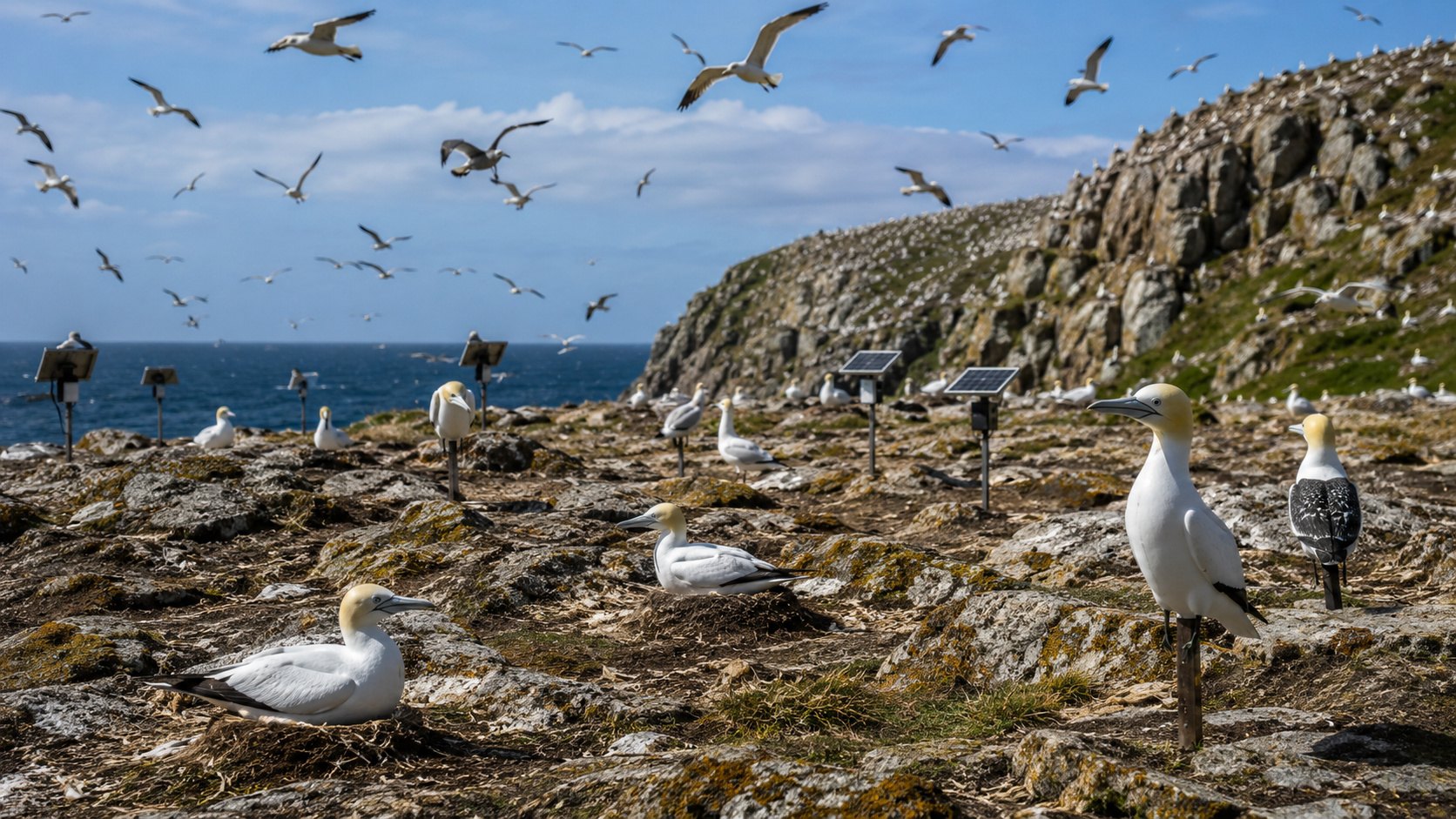
Scientists use more than 20,000 artificial birds and solar speakers to “trick” seabirds, reactivate nesting routes, and revive a colony on an island that seemed abandoned.

-
She spent 73 years breathing inside an iron lung, survived the aftereffects of polio, and became the last woman in the United States dependent on the equipment before dying at 78 years old.
-
Brazilian students created a $1 filter using pine bark, cotton, and 3D-printed parts to clean cassava wastewater, reduce the toxicity of a hazardous waste, and transform contaminated water into biofertilizer.



In addition to scurvy, researchers identified cases of rickets and signs of childhood malnutrition, indicating that many of these young men already had compromised health before embarking to the Arctic. The combination of chronic poor diet and extreme work created a cycle of vulnerability: men who arrived sick faced conditions that accelerated their physical deterioration.

20-year-old bodies with elderly joints

Even though they were young, most whalers showed signs of osteoarthritis, a degenerative condition usually associated with old age. The injuries were concentrated in the upper body, indicating intense repetitive strain linked to the heavy activities of hunting and processing whales, which included removing blubber with manual tools and transporting tons of material in extreme cold conditions.
Researchers also found old fractures and healed spinal injuries, evidence that physical wear was cumulative. Deaths did not occur from isolated events but from the accumulation of diseases, malnutrition, and exertion over months or years in the Arctic. The thaw revealed bodies that tell a story no written document of the time recorded with such precision.
The whaling industry that created the Point of the Corpses
European interest in Svalbard began at the end of the 16th century when Dutch explorer Willem Barentsz sighted Spitsbergen. Organized commercial exploration began in 1612, and within a few decades, hunting rapidly expanded across the North Atlantic, with hundreds of ships operating simultaneously during the Arctic summer. Whales were valued for their blubber, used in the production of oil for lighting and as a lubricant.
One of the most well-known settlements was Smeerenburg, the “City of Blubber,” founded in 1619. Whalers who died during hunting seasons were buried in improvised cemeteries like Likneset. The thaw that now exposes these burials reveals that the European whaling industry relied on young and disposable labor, men who arrived already sick and rarely survived more than a few seasons.
The warning about the thaw and the historical memory of the Arctic
The study issues a warning that goes beyond archaeology. The accelerated thawing of the Arctic is destroying archaeological sites preserved for centuries in the permafrost, and each warm season erases irreplaceable records that science has not yet had time to document. The whalers’ clothing, exceptionally preserved by the cold, includes wool hats, jackets, pants, and even silk scarves that offer detailed information about the daily life of the time.
For scientists, it is urgent to expand the monitoring and documentation of these sites before they disappear. The thaw is not only changing the Arctic climate, it is erasing the historical memory of a region that has preserved for centuries the evidence of one of Europe’s most brutal industries.
Did you know that the Arctic thaw is uncovering skeletons of whalers with scurvy and bodies destroyed by work? What impresses you the most: the age of the dead, the number with scurvy, or the fact that these sites may vanish? Tell us in the comments.


