






 Portuguese
  Spanish


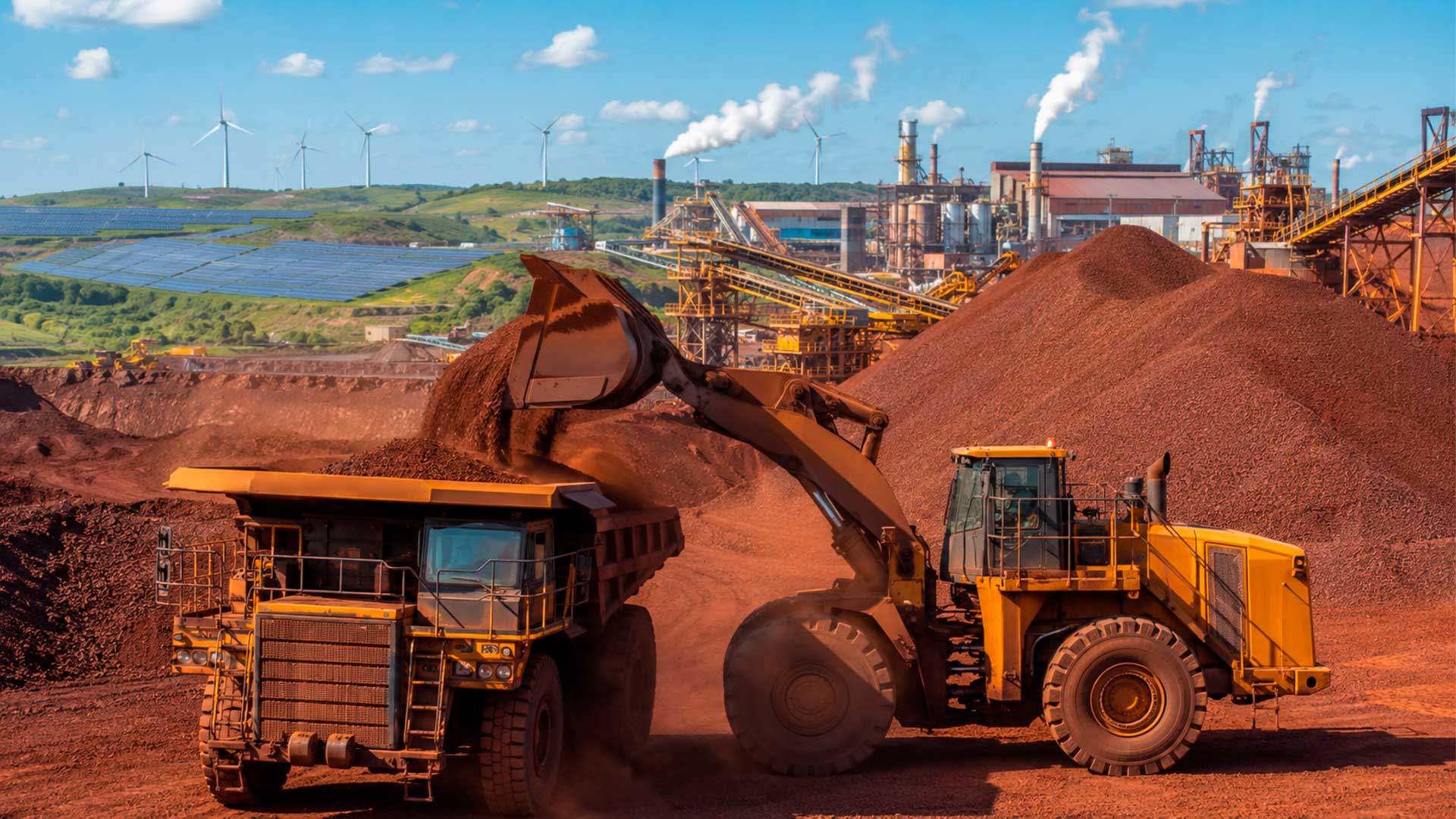

The global transition of steel opens space for Brazil to gain prominence with high-quality ore, but licensing, logistics, and planning may define who gets this market
Brazil has entered a strategic dispute that goes far beyond traditional mining. The race for the so-called green ore, used in the production of steel with lower carbon emissions, could place the country in a privileged position in the industrial chains of the energy transition.
The central point is simple: the world will continue to need steel for construction, cars, machinery, energy, housing, and infrastructure. The difference is that buyers, steelmakers, and governments are increasingly pressing for raw materials capable of reducing emissions throughout the production chain.
In this scenario, Brazil has advantages that are hard to ignore. The country has large iron ore reserves, export experience, established companies, and an electricity matrix with a high share of renewable sources, an important differential for industrial activities with a lower carbon footprint.
-
U.S. Invests $75 Million in Projects to Extract Rare Earths, Gallium, Germanium, and Aluminum from Coal Waste

-
Eni Acquires 25% Stake in Chilean Lithium Project, Plans to Invest Up to $225 Million in Eco-Friendly Extraction Method
-
Mexico’s Giant Crystal Cave: A Deadly 58°C Underground Palace with 11-Meter Crystals Formed Over Nearly a Million Years

-
China Dominates Over 90% of Rare Earth Refining, Prompting Global Concerns: Canada and Japan Launch Billion-Dollar Plan to Reduce Dependency and Safeguard Batteries, Semiconductors, and Defense


But the opportunity is not guaranteed. According to content published by Poder360, produced by Cedro Participações, the window for green ore depends on decisions about environmental licensing, logistical infrastructure, legal security, and coordination between the public sector and private initiative.
Green ore gained strength because the steel industry became a target of global decarbonization
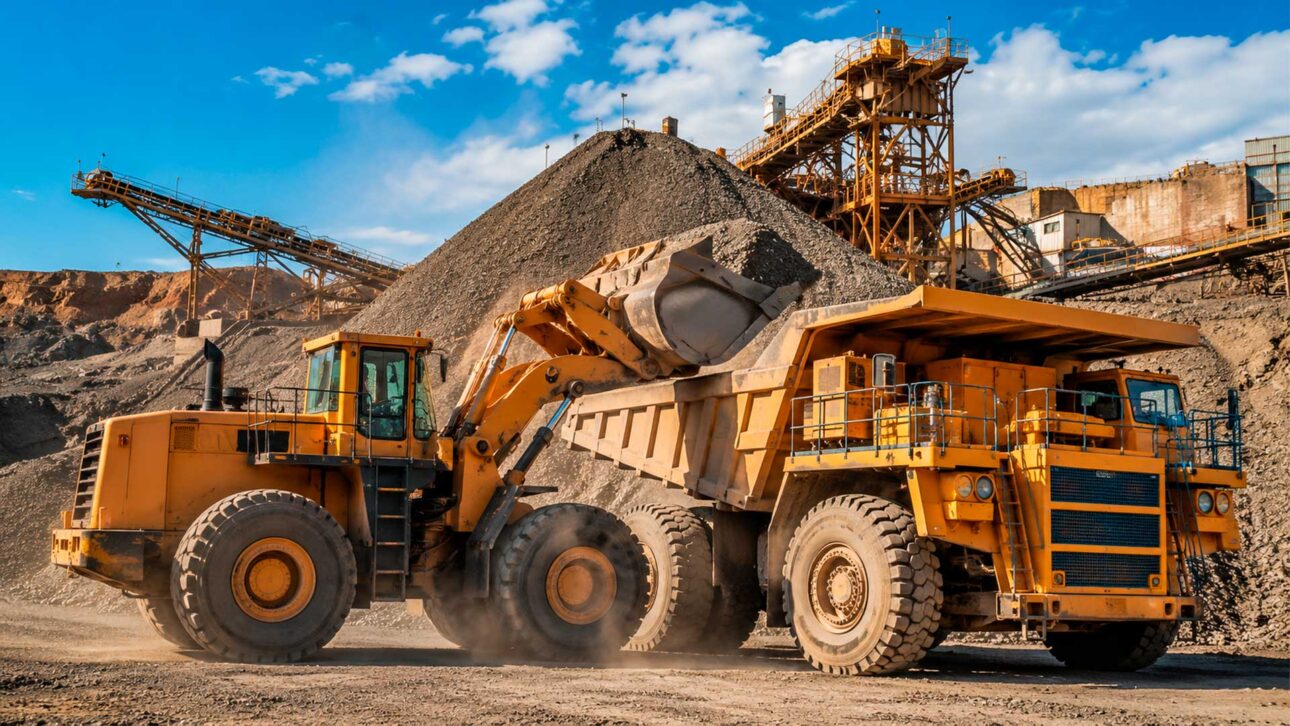
The pressure on steel increased because its production is among the most carbon-intensive industrial activities. According to the World Steel Association, in 2024 each ton of steel produced generated, on average, 2.18 tons of CO₂ equivalent, considering direct and indirect emissions.
The entity also estimates that the steel sector accounts for about 7% to 8% of global greenhouse gas emissions. Therefore, reducing the steel footprint has ceased to be just an environmental agenda and has become an economic, commercial, and industrial issue.
The International Energy Agency, the IEA, points out that decarbonizing the sector requires advancements in technological routes such as electrification, carbon capture, and the use of hydrogen. Nevertheless, the agency warns that current efforts need to accelerate for the sector to follow a path compatible with net-zero emissions targets by 2050.
This is where higher quality iron ore becomes more valuable. Production routes like direct reduction iron, which can use natural gas and in the future green hydrogen, require more suitable raw materials with lower impurity content.
Pellet feed emerges as a key component for producing steel with less coal
Pellet feed is a fine and concentrated iron ore used in the production of pellets that supply steelmaking processes. In practice, it can be important for more modern steel manufacturing routes, especially those aiming to reduce dependence on mineral coal.
According to Cedro, high-quality pellet feed can be used in processes that replace part of the coal with natural gas or hydrogen, with the potential to reduce CO₂ emissions by up to 50% compared to traditional methods. This number should be read within the context provided by the company, but it helps explain why the topic has gained weight in the sector.
The logic is straightforward: the more demanding low-emission steel production becomes, the greater the demand for ore with specific characteristics tends to be. This creates a new layer of value for producing countries that can deliver quality, regularity, and environmental traceability.
For Brazil, this change could mean more than selling raw ore. It could open up opportunities to add value to the mineral chain, attract industrial investments, and strengthen an export policy linked to the low-carbon economy.
Brazil has a natural advantage, but competitors are also moving quickly
The National Mining Agency reported in the Brazilian Mineral Summary 2024, based on the year 2023, that Brazil’s proven and probable iron reserves totaled 57.8 billion tons. In the same year, national production of beneficiated iron reached 436.8 million tons, concentrated in Minas Gerais, Pará, and Mato Grosso do Sul.
These numbers show that Brazil is not starting from scratch. The country is already one of the global leaders in iron ore and has a significant production base to compete in more sophisticated markets.
Another differentiator is energy. According to the National Energy Balance 2025, prepared by EPE, the share of renewable sources in Brazil’s electricity matrix was 88.2% in 2024. This data is important because the electricity used in mining, beneficiation, and new industrial routes also impacts the environmental footprint of the final product.
Even so, the Brazilian advantage may lose strength if projects take too long to get off the ground. The race for low-emission steel involves countries with aggressive industrial policies, public incentives, trade agreements, and regulatory frameworks designed to attract long-term capital.
The bottleneck is not just in the ore, but in the path to the market
The debate about green ore usually starts at the mine, but it doesn’t end there. For Brazil to gain ground, it is necessary to consider licensing, railways, ports, energy, water, technology, regulatory predictability, and processing capacity.
The content from Cedro Participações argues that the country is not at risk of falling behind due to a lack of ore, technology, or companies. The greater risk would be losing competitiveness to competitors capable of turning potential into projects more quickly and predictably.
This point is central because mining is a capital-intensive sector. Projects can require years of studies, authorizations, construction, and contracts before generating revenue. When the environment is uncertain, the cost increases, and investment may be shifted to other countries.
It’s not about abandoning environmental rules. The issue is to create clearer, more technical, and predictable processes, where companies know which steps they must follow, which criteria will be evaluated, and what time frame should be considered.
The size of the opportunity shows why the window should not remain open forever
The Brazilian mineral sector already has significant weight in the economy. According to IBRAM data for 2025, the mineral sector’s revenue was R$ 298.8 billion, with iron ore accounting for 52.6% of this total, or R$ 157.2 billion.
The report also indicates that mineral exports totaled around US$ 46 billion in 2025, with iron ore responsible for 63.3% of the sector’s external sales. This shows that any change in global demand for higher-quality ore can directly affect the Brazilian trade balance.
Furthermore, IBRAM estimates US$ 76.9 billion in investments for the mineral sector from 2026 to 2030. The challenge is to ensure that a significant portion of this capital helps Brazil climb the ladder in the chain, rather than just increasing export volumes.
If the world increasingly demands low-emission steel, those with suitable ore, clean energy, efficient logistics, and predictable rules will come out ahead. Brazil has an important part of this equation but still needs to turn potential into execution.
In the end, green ore is not just a new environmental label for iron ore. It represents a competition for market, technology, jobs, revenue, and industrial influence in a global economy increasingly pressured by decarbonization targets.
Brazil has minerals, market, and natural advantages to enter strongly in this race. But the question remains whether the country will be able to act quickly enough to turn this opportunity into real leadership. Do you believe that Brazil is prepared to take advantage of the green mineral window, or is there still a lack of planning for this? Leave your opinion in the comments.


