






 Portuguese
  Spanish


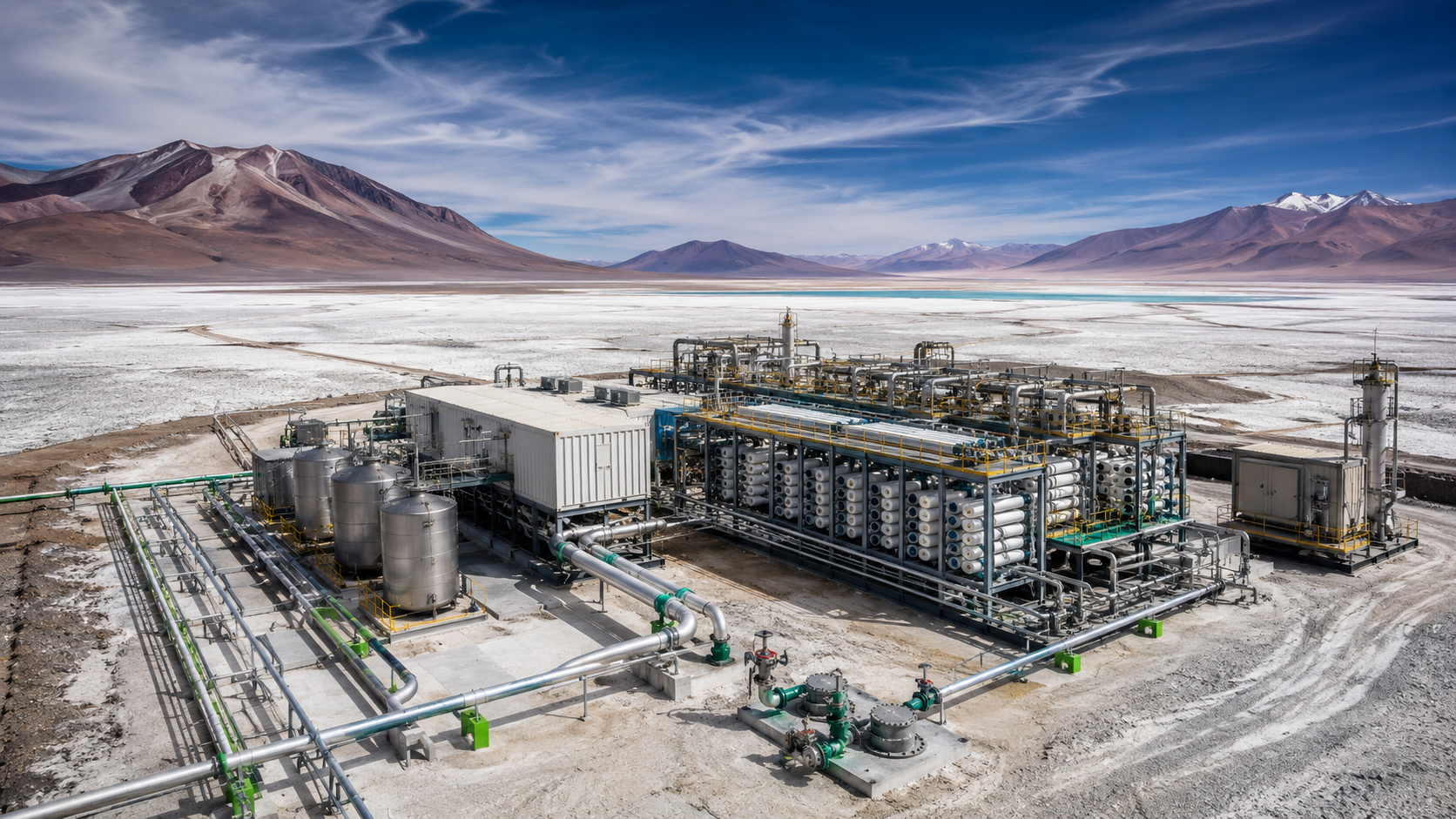

Lithium project in Chile gathers investment of up to US$ 225 million, direct lithium extraction and brine reinjection to reduce large ponds in the desert
Eni, multinational oil company, bought 25% of a lithium project in Chile and foresees a total investment of up to US$ 225 million in an operation near the Salar de Punta Negra, in the north of the country. The initiative aims at a new way to separate the mineral present in the brine, underground water loaded with salts.
On July 6, 2026, the information was disclosed by Eni, an Italian energy company with global operations. The agreement involves a project under development, with production planned in stages, and not a unit already ready to supply lithium to the market.
In practice, the lithium project in Chile tries to use industrial equipment to extract the mineral from the brine. The idea is to reduce dependence on the enormous ponds where this liquid is usually exposed to the sun for long periods.
-
French Brand Transforms 6 Million Brazilian PET Bottles into Sustainable Sneakers for Global Fashion Market

-
Abandoned Factory in Rio’s North Zone Becomes Urban Hazard with Standing Water and Debris

-
The U.S. Navy Conducts Submarine Tests in Idaho Lake to Detect Underwater Noises Hidden by the Ocean
-
Mexico’s Giant Crystal Cave: A Deadly 58°C Underground Palace with 11-Meter Crystals Formed Over Nearly a Million Years


Lithium project in Chile aims for 52.5 thousand tons per year, but production is still future
The total planned capacity is 52.5 thousand tons per year of lithium carbonate equivalent. This name represents a standard used to measure the volume of lithium that can be transformed into battery material.
The first stage foresees 7.5 thousand tons per year and is expected to start in 2028. Then, the expansion should add another 45 thousand tons per year, with a start expected in 2030.


Eni, an Italian energy company with global operations, reported that the project will be executed in two phases. The disclosed numbers represent the intended capacity when all units are operational.
Direct lithium extraction uses equipment instead of large ponds
Direct lithium extraction is a way to separate the mineral from the brine with industrial equipment. The brine is a very salty water extracted from the subsoil, common in desert areas of Chile.
In the traditional method, this liquid is usually taken to large ponds. The water evaporates with the heat and sun, while the salts become increasingly concentrated until the lithium can be separated.
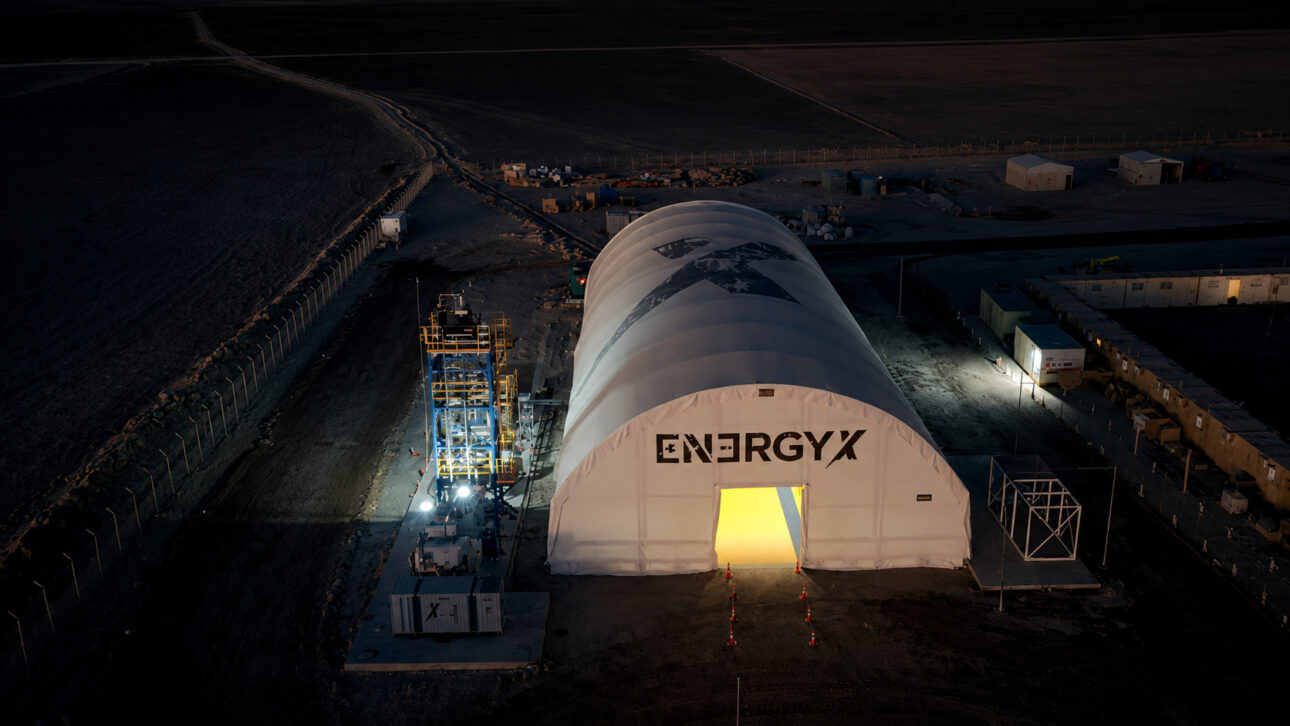
The system chosen for the Black Giant project aims to make this separation without relying so much on this outdoor process. The technology was developed by EnergyX, the company that controls the project in Chile.
Closed system plans to return the brine to the underground reservoir
The project was planned as a closed system, with complete reinjection of the brine extracted from the wells. In simple terms, after separating the lithium, the remaining part of the liquid should return to the underground location from where it was taken.
This point matters because the northern Chilean desert has little water available. The goal is to reduce the impact related to water use when compared to the model based on large evaporation ponds.
Reinjection is part of the design presented for the project. Even so, the operation needs to be implemented and put into operation so that practical results can be evaluated.
Eni will have the right to buy up to 25% of the lithium produced
In addition to entering the business with a 25% stake, Eni will have a seat on the board of directors of Black Giant. The company will also be able to purchase up to 25% of the total production of equivalent lithium carbonate.
This purchase right links the Chilean project to an initiative by Eni in Italy. The company intends to use part of this material in its stationary battery factory in the industrial area of Brindisi.
Stationary batteries are devices that store electricity to be used at another time. They can help energy systems store part of the available production.
Investment in lithium expands Eni’s presence in the battery chain
Lithium is an important raw material for battery manufacturing. Therefore, energy companies have started seeking participation in projects capable of supplying this mineral in the coming years.
Eni’s entry into Chile also seeks to strengthen its presence in the critical minerals chain. This group includes important materials for equipment related to energy and electricity storage.
The company reported that it will bring technical and operational knowledge to help in the execution of the project. The participation involves experience in energy infrastructure and industrial operations.
First set of equipment is scheduled for 2028
The schedule foresees that the first unit will start operating in 2028. The next expansion is planned for 2030, when the total capacity could reach 52.5 thousand tons per year.
Until then, the disclosed numbers represent investment goals, capacity, and future production. The project still needs to move from the planning and implementation phase to commercial operation.
Eni’s bet shows that the race for lithium also involves the method of extracting the mineral. In Chile, the proposal attempts to reduce the presence of large ponds and return the brine to the underground after separation.
The result will depend on the functioning of the equipment and the fulfillment of the stages planned for 2028 and 2030. The difference lies in trying to produce lithium for batteries through another path within the desert.
Do you believe that extracting lithium without relying on large ponds can reduce the impacts of mining in dry regions? Leave your opinion in the comments and share the publication.


