Portuguese
  Spanish


Five U.S. projects enter negotiations to recover critical minerals from coal waste, reduce pressure on new mines, and test materials used in electronics, defense, and solar panels. The resources have not yet been released.
The United States is trying to find materials in coal waste that usually come from mines. The country has selected five projects to negotiate resources of $75 million aimed at the recovery of rare earths, gallium, germanium, and aluminum.
The information was published by the U.S. Department of Energy, a federal agency in the United States focused on energy policy. The initiative announced on July 1, 2026 involves pilot facilities, which function as test units before larger commercial production.
The selection does not mean that the money is already guaranteed. The projects were chosen to advance in negotiations and may have their values altered during this process.
-
Eni Acquires 25% Stake in Chilean Lithium Project, Plans to Invest Up to $225 Million in Eco-Friendly Extraction Method

-
French Brand Transforms 6 Million Brazilian PET Bottles into Sustainable Sneakers for Global Fashion Market
-
Abandoned Factory in Rio’s North Zone Becomes Urban Hazard with Standing Water and Debris

-
The U.S. Navy Conducts Submarine Tests in Idaho Lake to Detect Underwater Noises Hidden by the Ocean
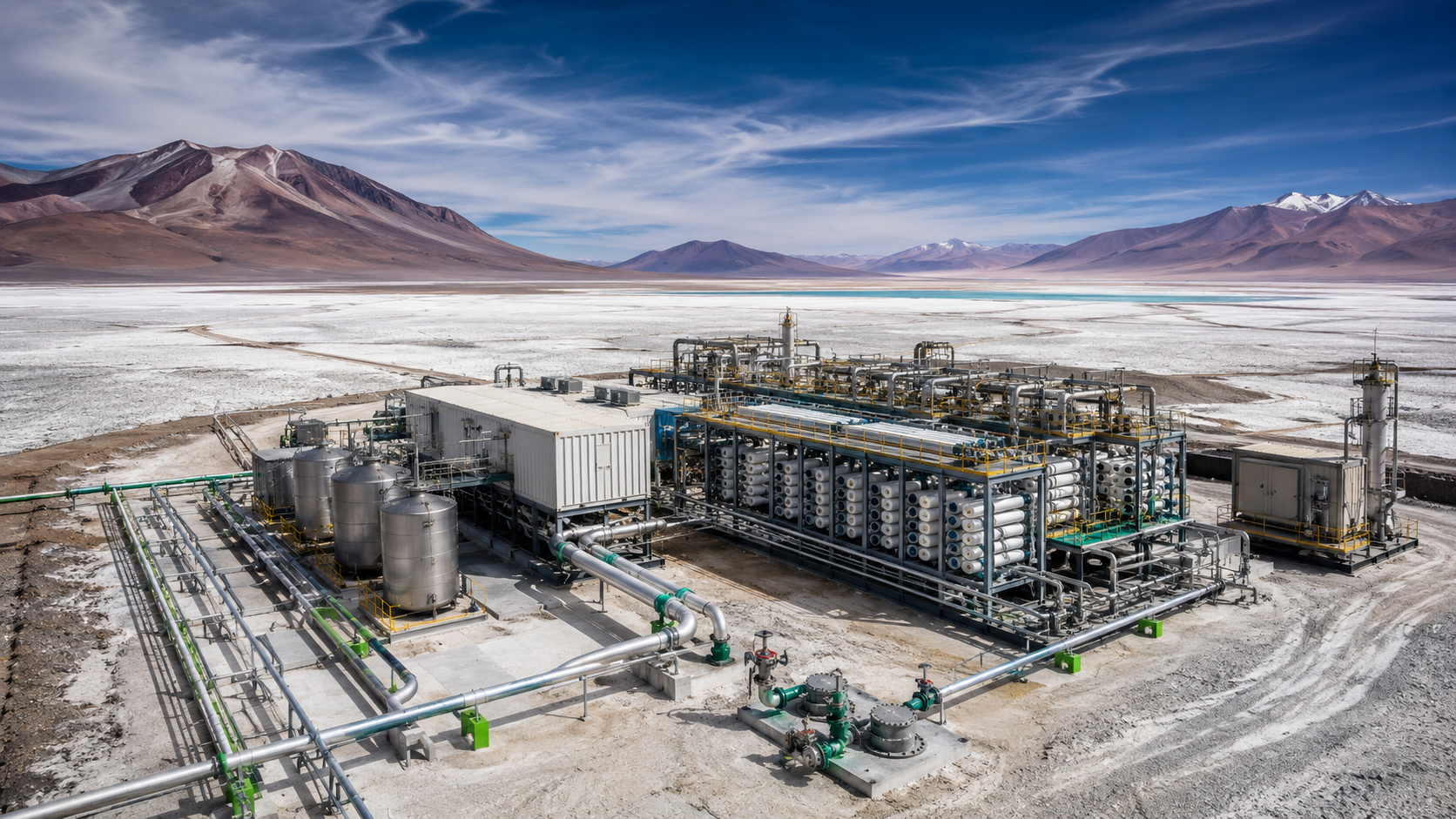


Coal waste may hide minerals used in modern technologies
Coal and its waste can hold small amounts of important materials for the industry. Among them are rare earths, gallium, germanium, and aluminum, used in electronics, defense equipment, and solar panels.
Rare earths are a group of elements used in technological products. Gallium and germanium appear in electronic components and systems that need to conduct or control energy.
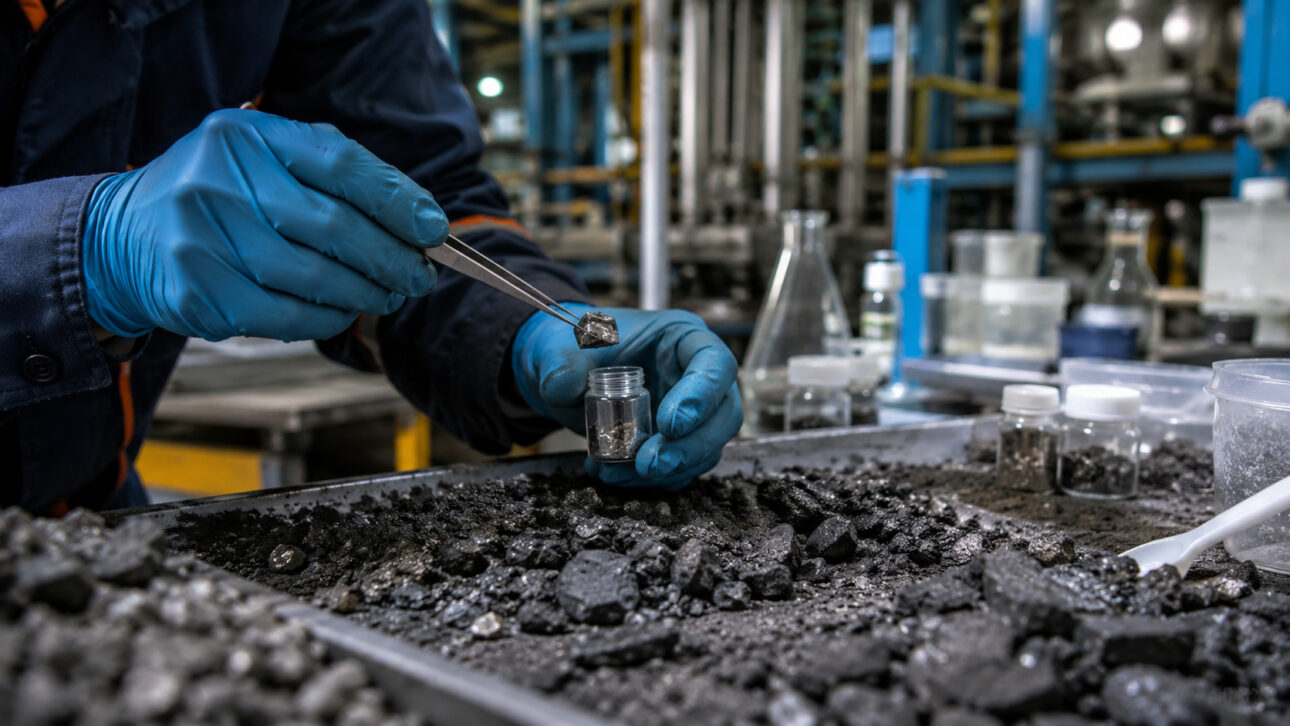
The idea is to take advantage of materials that were previously treated only as industrial waste. An industrial liability is accumulated waste that requires care, space, and investment to be stored or treated.
Five projects will test mineral recovery on a pilot scale
The five selected projects involve the University of North Dakota, Valor Metals, CONSOL Innovations, American Resources Corporation, and Peabody Energy Corporation. Each group must develop a pilot facility within its own industrial area.
These facilities do not represent new mines. They are meant to test processes capable of separating minerals present in coal waste and other materials linked to coal activity.
The pilot stage is important because it shows whether the process can function outside the laboratory. It also allows for evaluating if the recovered minerals can reach the quality required by companies and factories.
The choice opens negotiation but does not guarantee the US$ 75 million
The U.S. Department of Energy, a federal agency in the United States focused on energy policy, detailed that the selection of the five projects does not obligate the release of funds. Negotiations can be canceled, and amounts may change before any final contract.
This precaution prevents the announcement from being understood as already consolidated commercial production. The projects still need to go through the negotiation stage and demonstrate that they can advance safely.
Assistant Secretary of Energy Audrey Robertson stated that American industrial facilities can produce critical materials from coal and its by-products. The statement reinforces the attempt to expand domestic production of these minerals.
Separating rare earths in coal waste is a difficult task
The biggest challenge is separating materials that appear mixed in waste and ashes. Rare earths, gallium, and germanium do not appear ready for use, as they need to go through processes that remove impurities.
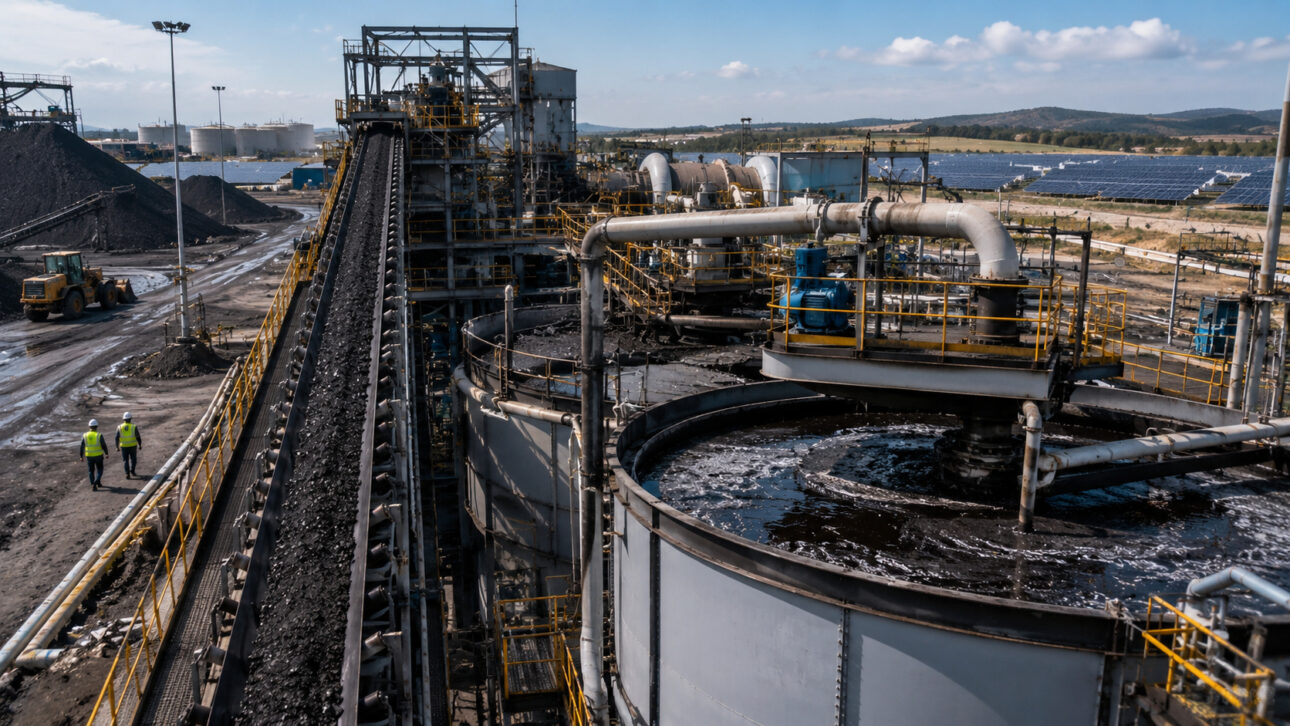
Recovery only makes sense when the extracted material reaches sufficient quality to be used by the industry. It’s not enough to find the mineral; it needs to reach companies that manufacture equipment, parts, and technological systems.
The pilot facilities should help measure if the process can deliver minerals ready for the market. This phase does not yet prove that there will be large-scale commercial production.
The debate reminds of the utilization of mining waste in Brazil
In Brazil, mining tailings also raise discussions about industrial utilization. The material is not the same as coal waste in the United States, but the question is similar: can part of what was discarded still have economic value?
The answer depends on technology, cost, safety, and the quality of the recovered material. In many cases, waste may contain useful minerals, but turning this content into raw material requires testing and investment.
The movement in the United States shows how industrial waste has entered the competition for strategic minerals. The recovery of rare earths and metals from already accumulated materials can reduce the need to open new extraction areas, but it still needs to prove viability outside pilot facilities.
The $75 million places five projects in an initial stage of negotiation and testing. The outcome will depend on the ability to separate minerals in small quantities and deliver them with quality to the industry.
Do you believe that coal waste and mining tailings should be more utilized to reduce the opening of new mines? Leave your opinion in the comments and share this post.