Portuguese
  Spanish


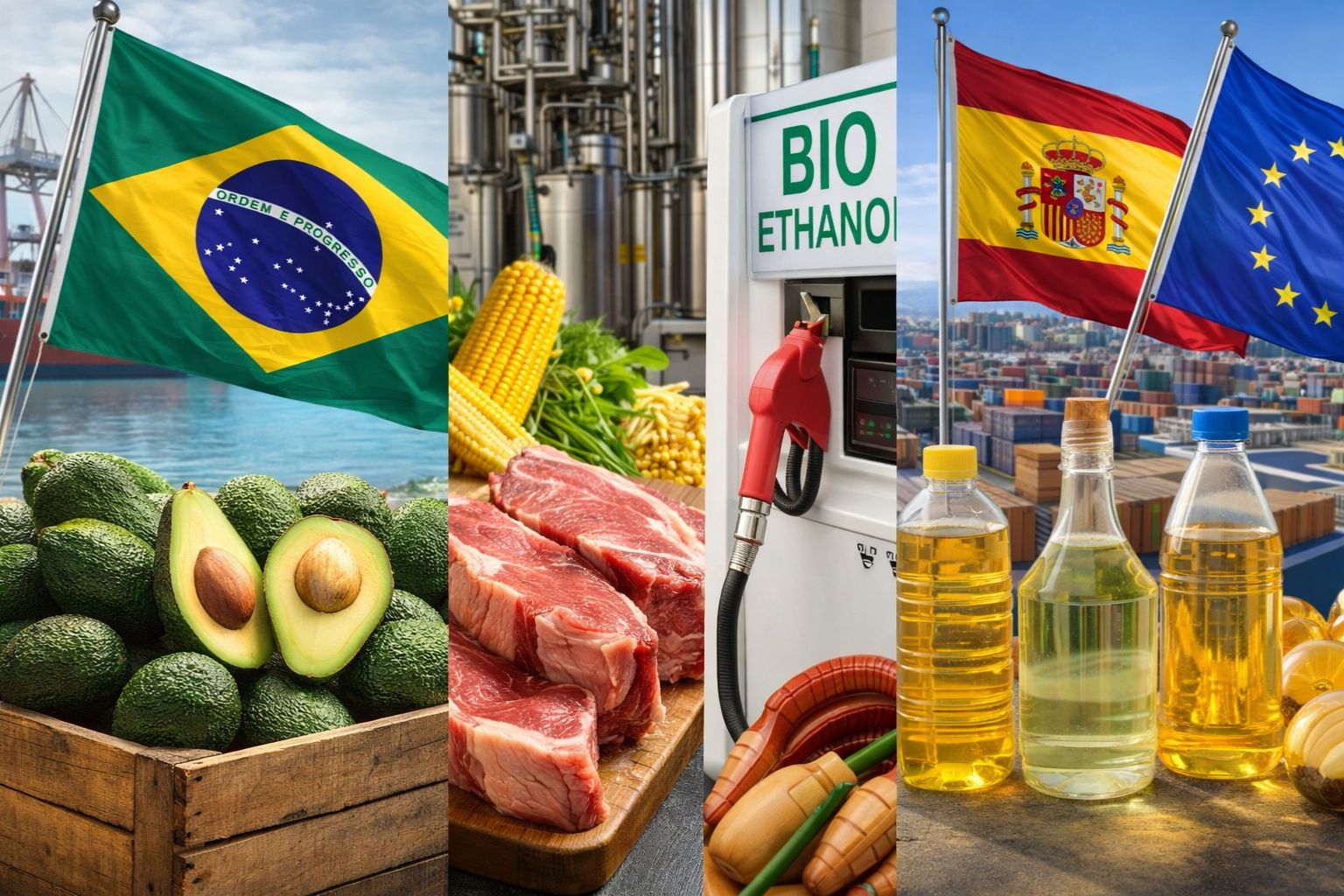

Brazil has identified 418 products with export potential to Spain, including avocados, boneless beef, engine parts, and biofuels. The EU-Mercosur agreement, which comes into effect on May 1, will eliminate tariffs on 543 Brazilian products and could increase trade flow by US$ 1 billion. Bilateral trade has already doubled in the last decade, reaching nearly €11 billion by 2025.
The Brazil has just mapped 418 products with potential for export to the Spanish market and is preparing to take advantage of a window that could transform the trade relationship between the two countries. The Brazilian Agency for the Promotion of Exports and Investments (Apex Brazil) identified opportunities ranging from avocados and boneless beef to engine parts and biofuels, in a survey presented during the first Spain-Brazil summit held this Friday in Barcelona. The agreement between the European Union and Mercosur, which comes into effect on May 1, will eliminate tariffs on 543 Brazilian export products, paving the way for Brazil to increase its trade flow with the European bloc by US$ 1 billion, according to Apex.
The moment is strategic. Bilateral trade between Brazil and Spain has doubled in the last decade and reached nearly €11 billion by 2025, with highlights on Brazilian exports of oil (37%), soybeans (18%), copper ore (7.2%), and animal feed (7%). Spain is Brazil’s fifth-largest export destination and will be “one of the main beneficiaries, along with Brazil,” of the Mercosur-EU agreement, according to Laudemir Müller, president of Apex Brazil. In a global scenario of rising tariffs and trade wars, the president of Apex emphasized that “Europe and Mercosur, Brazil and Spain are doing the opposite, adopting a negotiating stance and more agreements.”
The 418 products that Brazil wants to export to Spain
According to information from the portal Exame, the survey by Apex Brazil does not list just any product: there are 418 specific items identified with real export potential for the Spanish market. Among the highlights are avocados, boneless beef, engine parts, and biofuels such as ethanol and biodiesel, products that meet different demands from Spanish consumers and industry. The diversity of the list shows that Brazil does not want to rely solely on agricultural commodities to grow in the European market.
-
Brazilian Farmer Invents Low-Cost Tractor Using Motorcycle Parts, Efficiently Working 2 Acres on 1 Liter of Diesel

-
Regenerative Farmers Use Keyline Plow to Improve Pasture Hydration, Storing 1 Gallon of Water Every 30 Centimeters

-
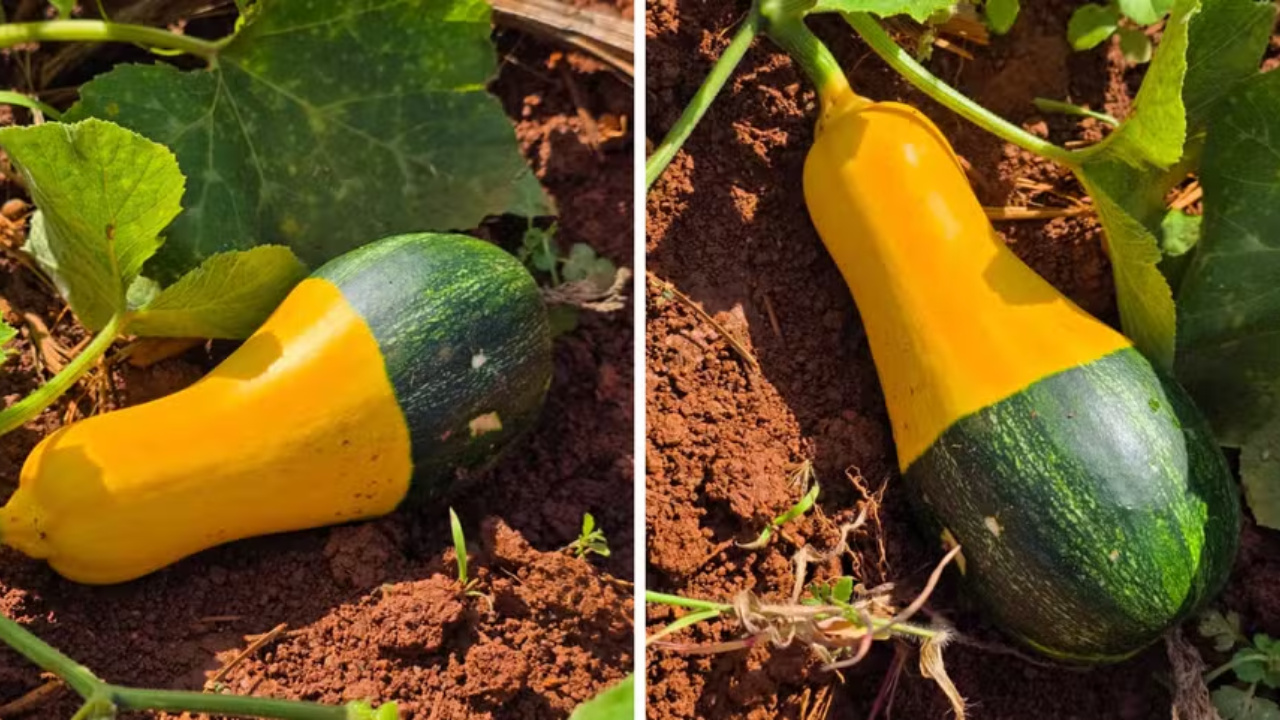
Bicolor Pumpkin Resembling Hand-Painted Art Discovered by Brazilian Researchers in the Capital Due to “Spontaneous Mutation”

-
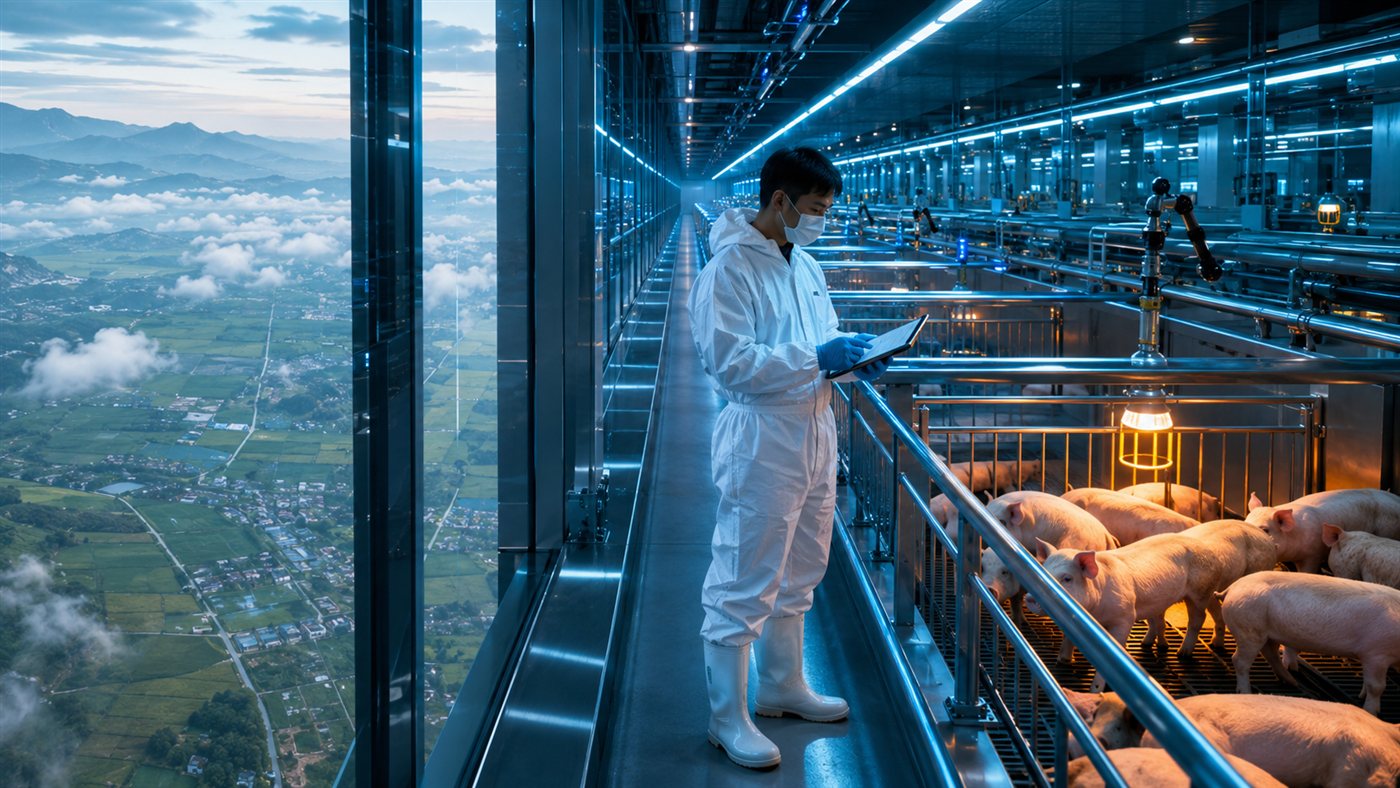
In China, a 26-story building produces 1.2 million pigs annually, revolutionizing livestock farming with tube feeding and AI surveillance.

In the agricultural sector, the export strategy is particularly smart. In addition to soybeans and animal feed, which are already sold in volume, Brazil wants to take advantage of its high fruit production during the European winter, when local availability is lower. Brazilian avocados harvested between June and September arrive in Spain just when European producers are out of season, creating a natural complementarity that benefits both markets without direct competition.
What the EU-Mercosur agreement changes for Brazilian export
The agreement between the European Union and Mercosur is the instrument that turns opportunity into reality. The elimination of tariffs on 543 Brazilian products starting in May reduces export costs and makes Brazilian items more competitive against competitors from other countries that still pay import taxes to enter the European market. For products like beef and ethanol, which face significant tariff barriers, this reduction can be the difference between commercial viability and non-viability.
The projected impact is a $1 billion increase in trade flow, but the potential could be greater. Spain is Brazil’s fifth largest export destination and serves as a gateway to the European market, meaning that products that establish themselves in the Spanish market can expand to France, Italy, Germany, and other EU members with relative ease. For the Brazilian export strategy, conquering Spain is not an end in itself; it is a step towards conquering a market of 450 million consumers.
The concerns of European farmers about Brazilian export
The EU-Mercosur agreement was not unanimously celebrated in Europe. Spanish farmers and those from other European countries expressed concerns that the entry of Brazilian products without tariffs would harm local production, especially in sectors like beef and fruits, where Brazil has advantages in scale and cost. Protests from farmers marked the negotiations of the agreement in recent years, and the issue remains sensitive in European politics.
Laudemir Müller, president of Apex Brasil, responded that “these concerns are often natural, as they are sectors that are not very well understood.” The agreement includes quotas and safeguards for sensitive products, negotiated until the last moment to avoid imbalances that could harm European producers. In practice, this means that Brazilian beef exports, for example, will have a volume limit that can enter without tariff, and any excess above this quota will continue to pay taxes. The stated goal is complementarity, not substitution.
Biofuels as a new export front for Brazil to Europe
In addition to traditional agricultural products, Apex Brasil sees biofuels as one of the most promising export fronts for Spain and Europe. Brazilian ethanol and biodiesel directly meet the European demand for low-carbon fuels, in a continent that has ambitious emission reduction targets and needs alternative sources to replace petroleum derivatives in transportation and industry.
Brazil is the second largest producer of ethanol in the world and has a biofuel production chain that combines scale, technology, and competitive costs. With the EU-Mercosur agreement facilitating exports, Brazilian ethanol and biodiesel can gain significant market share in the European renewable fuels market, a sector that is expected to grow substantially in the coming years as Europe intensifies its energy transition. For Brazil, selling biofuels to Europe is a way to add value to the production of sugarcane and soybeans that it currently exports in raw form.
What the Spain-Brazil summit means for trade between the two countries
The first Spain-Brazil summit in Barcelona is not just a diplomatic event. The relationship between Lula and Pedro Sánchez is considered excellent by Apex, and the political alignment between the two governments creates favorable conditions for export that rarely exist in bilateral relations. Large Spanish companies such as Aena and Telefónica (Vivo) already operate in Brazil, while Brazilian investments in Spain range from the animal protein sector to digital transformation.
Müller encourages Spanish companies to invest, arguing that Brazil “is experiencing its best moment” and is “a stable country, without conflicts, with clear regulations.” For Brazilian export strategy, the Barcelona summit is the starting point of a trade cycle that should accelerate from May, when the EU-Mercosur agreement comes into effect and the 543 tariff lines are eliminated. The 418 products identified by Apex are the shopping list; the agreement is the invitation; and the summit is the handshake that seals the intention to do business.
Brazil has identified 418 products for export to Spain with the EU-Mercosur agreement. Do you think Brazil should export more added value or continue selling commodities? Share your opinion in the comments.