






 Portuguese
  Spanish
  4 min of reading
  0 comments


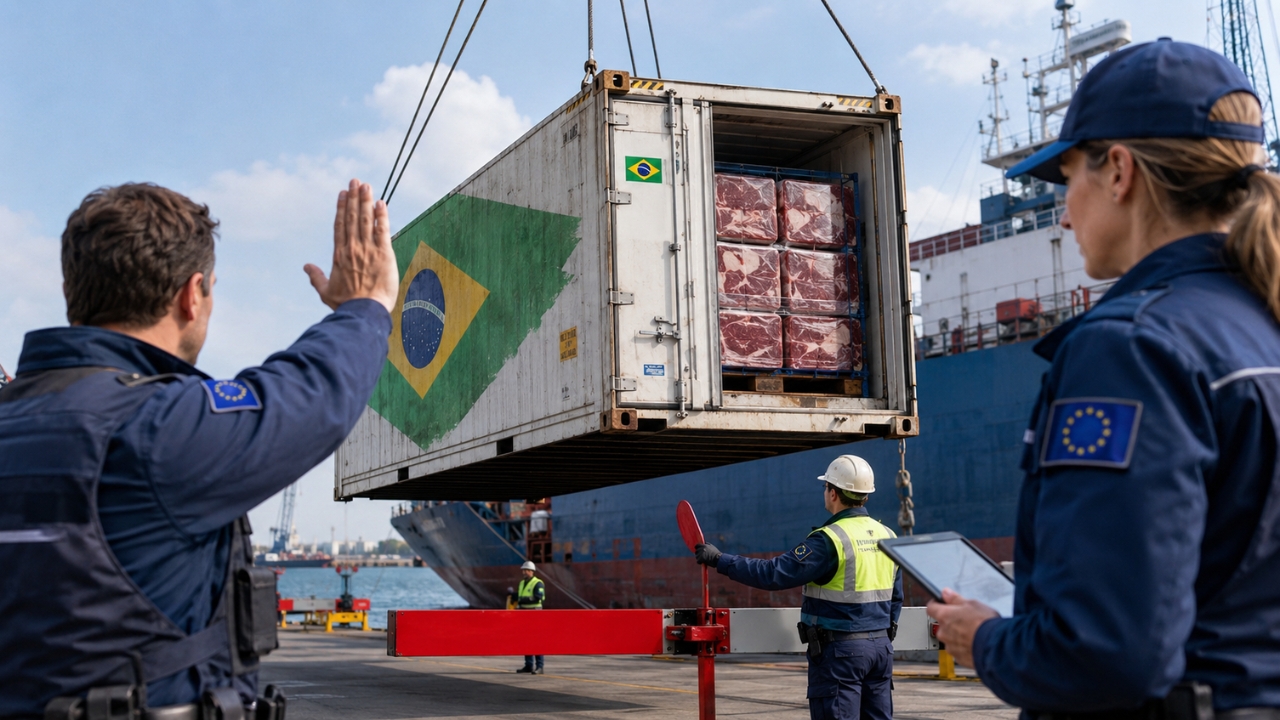
European decision linked to the use of antimicrobials could affect Brazilian animal product exports from 2026 and intensify the dispute in Mercosur.
The European Union has made a decision that hit Brazilian agribusiness like a bombshell: **Brazil was left off the new list of countries authorized to export animals and animal products** to the European bloc. The measure is linked to requirements regarding the **use of antimicrobials in animal production** and is set to take effect on **September 3, 2026**.
According to information released by Canal Rural, the decision involves products such as **bovines, equines, poultry, eggs, aquaculture, honey, and casings**, placing one of the world’s largest agricultural powers in an extremely delicate situation regarding the European market.
In practice, Brussels’ message is harsh: **those who do not prove alignment with European sanitary rules may lose shelf space and international contracts**. For Brazil, the impact is not just commercial. It is also political, diplomatic, and competitive.
-
Low-Demand Brazilian Beef Offal Gains Popularity Abroad: Indonesia Purchases $19.5 Million, Boosting Revenue and Reducing Waste

-
Soy Expansion in Former Brazilian Savanna Sparks Water and Land Conflicts in Major Agricultural Frontier
-
Mexican Pest Threatens U.S. Cattle Herds at Historic Lows, Potentially Boosting Brazilian Beef Exports as Burger Prices Soar

-
Avocado Boom for European and U.S. Markets Fuels Water Crisis in Drought-Stricken Chilean Region


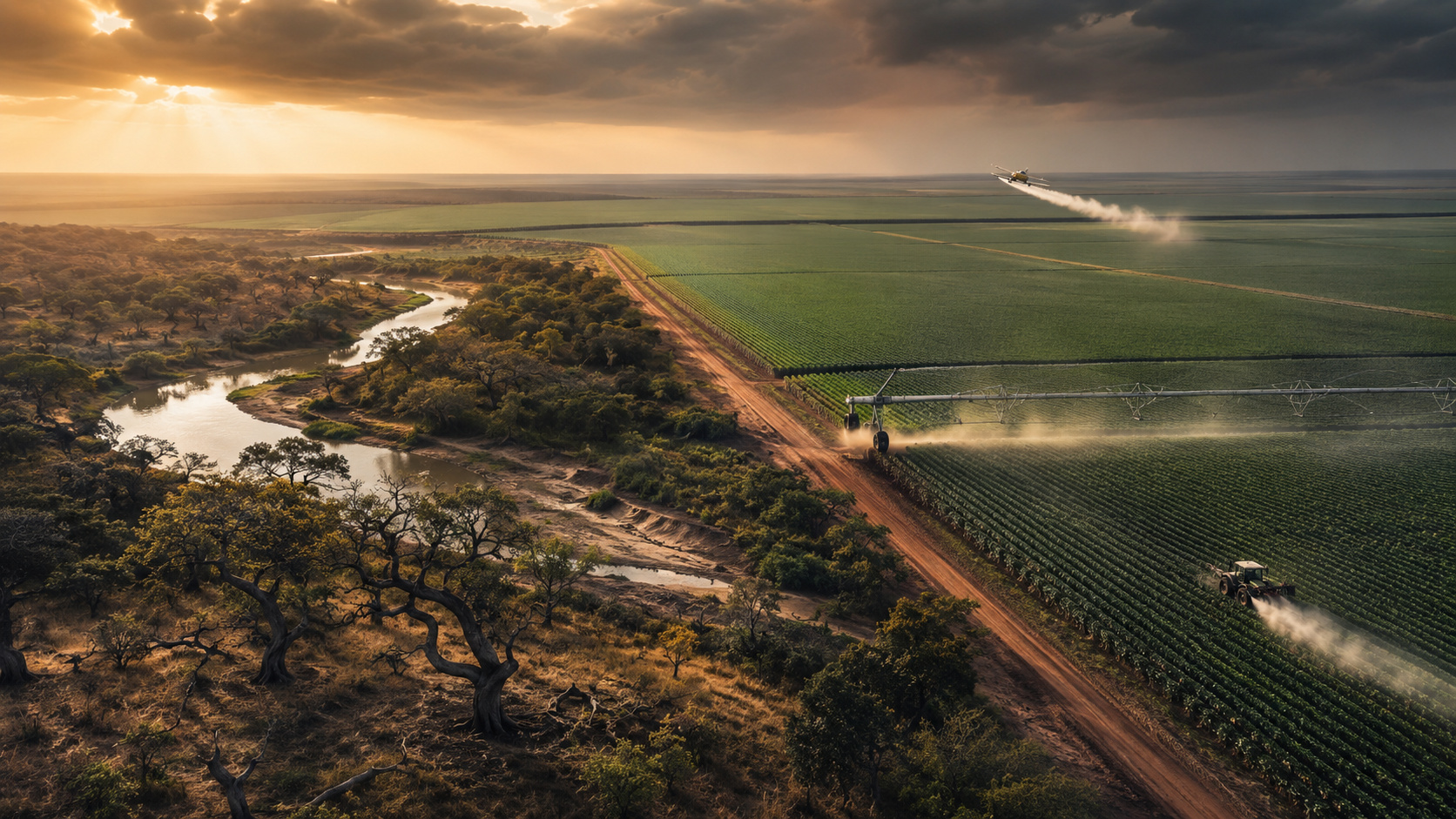


Brazil is left out and sees Mercosur rivals gain an advantage
The most striking point is that the exclusion affects **Brazil in isolation within Mercosur**. While the country was left off the list, **Argentina, Paraguay, and Uruguay remain authorized** to sell animal products to the European Union.
This difference could open a dangerous loophole for the Brazilian sector. If European buyers need to replace suppliers, South American neighbors could occupy part of the space that currently belongs to Brazil.
In a highly competitive market, losing export authorization means more than just ceasing to sell. It means **losing trust, contracts, predictability, and commercial influence**. And, for Brazilian agribusiness, this combination can generate strong pressure on companies, slaughterhouses, producers, and authorities.
The reason behind the decision: antibiotics in animal production
The European Union’s decision is directly linked to the rules on **antibiotics and antimicrobials** used in raising animals for human consumption.
European regulations prohibit the use of antibiotics to **promote growth** or **increase animal productivity**. They also restrict the use, in animals, of medicines considered essential for treating certain infections in humans.
These requirements have been in effect for European producers since **2022**. Now, the bloc wants to apply the same criteria to non-EU countries that wish to continue exporting to its market.
In other words, the message is clear: **it’s not enough to produce on a large scale; it will be necessary to prove that production follows the sanitary standards required by the European bloc**.
What could be affected by the new restriction
Brazil’s exclusion from the European list could affect a range of important products. These include **live animals intended for food production**, as well as various items derived from animal production.
The mentioned list includes **bovines, equines, poultry, eggs, aquaculture products, honey, and casings**. This shows that the decision is not limited to a single production chain.
The warning, therefore, goes beyond meat. The measure could affect different sectors linked to **Brazilian agribusiness**, especially those that depend on certifications, traceability, and access to demanding markets.
For exporting companies, the risk is immediate: it will be necessary to quickly understand which supply chains will be most pressured and what regulatory adjustments may be required to try and reverse the scenario.
Deadline until September 2026 increases pressure on the government
The restriction is set to take effect on **September 3, 2026**, which gives Brazil a window of time to try to negotiate, provide guarantees, and seek a reversal.
But this deadline also functions as a countdown. From that date, if nothing changes, the country may stop exporting products affected by the new rule to the European bloc.
The Brazilian government will have to act on several fronts: diplomacy, sanitary adequacy, technical proof, and commercial negotiation. The private sector, in turn, may be required to reinforce controls, documentation, and audits.
In markets like Europe, sanitary trust is a strategic asset. Once shaken, it can take time to rebuild.
Decision also carries political weight in Europe
The publication of the new list comes at a sensitive time. The European Union faces internal pressure from agricultural sectors, especially in France, which criticize closer trade ties with Mercosur countries.
In this context, Brazil’s exclusion can also be interpreted as a political signal. The European bloc wants to show that it will not give up its sanitary, environmental, and productive requirements, even in the face of important trade agreements.
The case gains even more strength because the agreement between the European Union and Mercosur remains surrounded by disputes, resistance, and questioning. Brazil’s removal from the list, therefore, comes at a moment of tension and could further fuel the debate about the future of trade relations between the two blocs.
Brazilian agribusiness enters a decisive moment
Brazil is recognized worldwide as a powerhouse in food production. But the European Union’s decision shows that production volume, competitive pricing, and export tradition are no longer enough.
Increasingly, major markets demand traceability, sanitary control, environmental rules, and detailed technical proof. Those who do not adapt risk being left behind.
For Brazilian agribusiness, this episode serves as a maximum alert. Exclusion from the European list could become a billion-dollar problem if not reversed in time.
Now, the country will have to prove that it can meet the bloc’s rules, protect its exporters, and prevent regional competitors from advancing into a strategic market. From now on, the direct question is: will Brazil manage to regain the European Union’s trust before the blockade takes effect?






Be the first to react!