Portuguese
  Spanish


With an investment of R$ 2.5 billion, Inca will have a new campus that will integrate 18 units in Rio de Janeiro. Check out the details about the project.
The strengthening of national science and oncology care has reached a new level with the announcement of a billion-dollar investment in public health. During the SUS Inova Brasil fair, the Ministry of Health confirmed that the project for the new campus of the National Cancer Institute (Inca) will receive an investment of R$ 2.5 billion.
The amount, announced by Minister Alexandre Padilha, exceeds the estimates for 2024 and will be used to create a state-of-the-art hospital complex in Rio de Janeiro, in partnership with BNDES. In addition to the physical infrastructure, the agenda in Rio marked the launch of the National Clinical Research Program (PPClin).
With R$ 120 million guaranteed for 2026, the initiative aims to transform universities and research institutes into cutting-edge centers. The goal is for SUS to lead the development of new treatments, diagnostics, and medications, reducing external technological dependence.
-
Brazilian Startup Converts Tucumã Seeds into Bioplastic for Bicycle Pedals, Cups, and Construction Materials

-
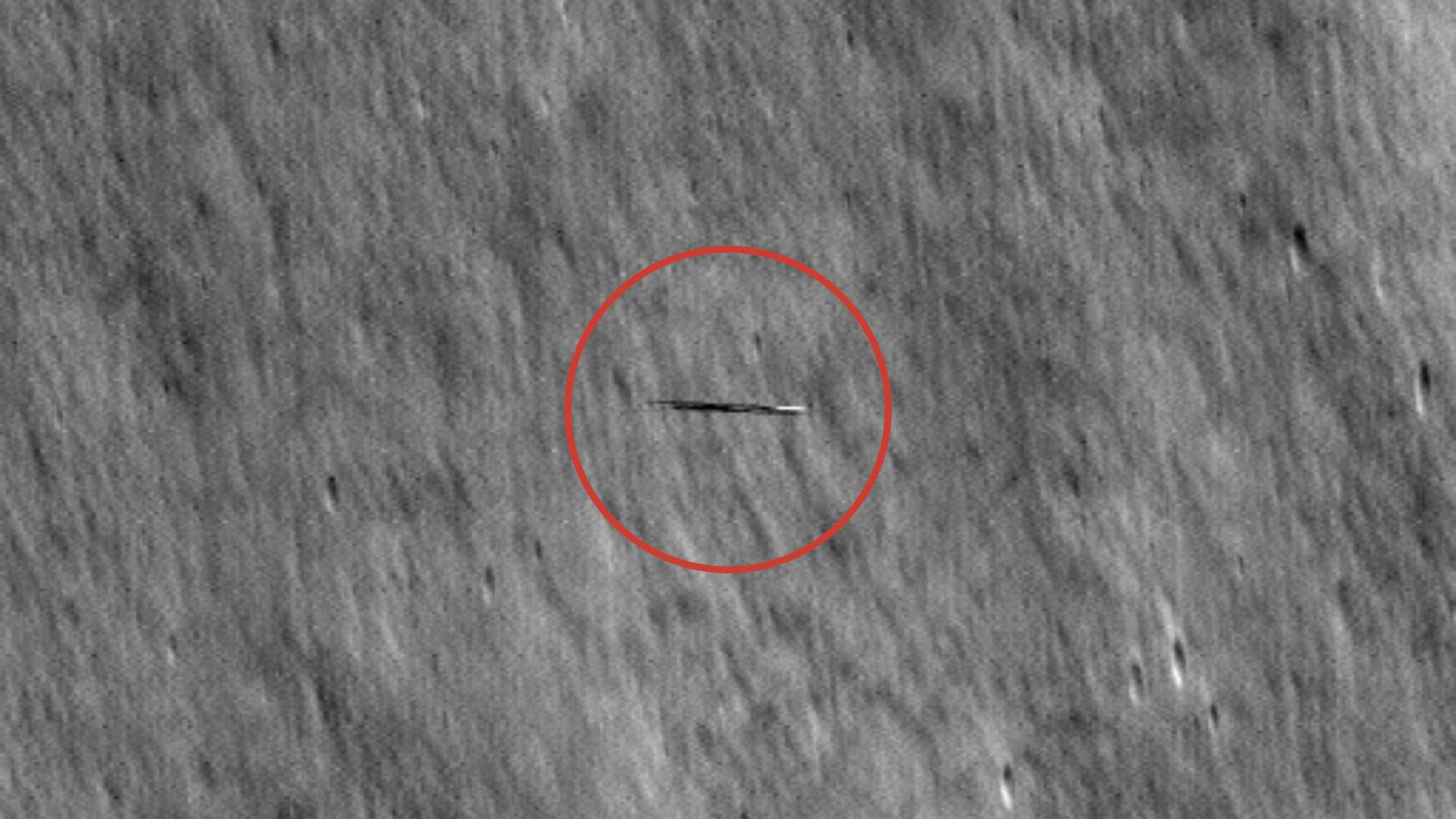
NASA Captures Rare Encounter of South Korean “Surfboard” Spacecraft Crossing Lunar Orbit at Over 11,000 km/h

-
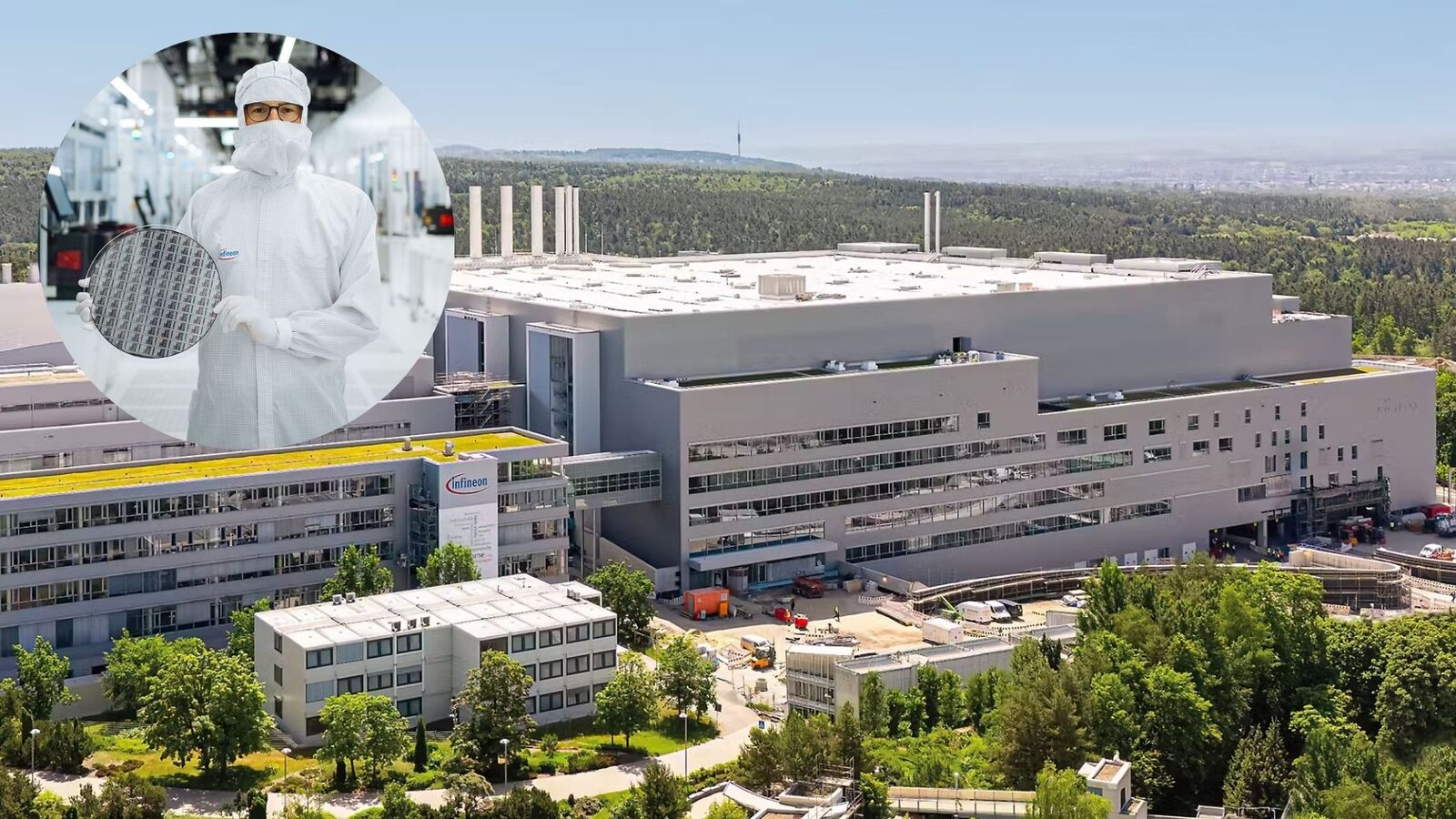
Germany Opens World’s Largest Smart Power Semiconductor Factory with €5 Billion Investment, Creating 1,000 Jobs and Doubling Capacity for AI and Energy Needs

-
Kazakhstan’s Torysh Valley Holds Thousands of Giant Stone Spheres, Intriguing Scientists with Ancient Oceanic “Cannonballs”

New Inca Campus: A complex of 18 units
The main structural change of the National Cancer Institute lies in the total integration of its activities. Currently, the institute operates in a dispersed manner across 18 different buildings in the state capital. This geographical division creates logistical bottlenecks and increases the daily maintenance costs of operations.
Therefore, the new project foresees the unification of these units at a single address, concentrating:
- Hospital Assistance: The four inpatient units now in one location.
- Management and Prevention: Areas for health surveillance and disease prevention.
- Education: Sectors dedicated to teaching and training new oncologists.
- Innovation: Clinical research centers integrated with care.
According to Minister Padilha, the merging of these fragmented structures into a large hospital aims to provide a “21st-century oncology” free and accessible to the Brazilian population.
Physical expansion and architectural recognition
To accommodate this unification, the new Inca campus will have a total built area of 148,415 m². The project is not limited to the restoration of the historic headquarters in Praça da Cruz Vermelha; it includes the construction of three new buildings on a plot of land that was granted by the state of Rio de Janeiro.
The magnitude of the project reflects the increase in investment, which jumped from R$ 1.1 billion to the current R$ 2.5 billion projected in the new contract. While the physical work progresses, the project already carries an international excellence seal.

Still in its conception phase, the design of the complex received the Merit Award Unbuilt 2010 from the American Institute of Architects (AIA). Thus, Brazil is preparing to deliver a structure that combines architectural innovation and medical functionality.
Reinforcement in science and new medications
The physical unification of the institute is the foundation for the National Clinical Research Program to thrive. According to Alexandre Padilha, the focus is to ensure that federal hospitals and universities receive the leading global studies on vaccines and diagnostics.
While the hospital complex centralizes care, PPClin distributes resources to ensure innovation happens throughout the public network. “More and more, Brazilian hospitals, from SUS, and universities will receive the leading studies on new medications, vaccines, and diagnostics,” said the minister during the official announcement.
The integration of dispersed units into a single technological and care campus is expected to generate significant operational savings in the long run. With the partnership of BNDES ensuring financial viability, the project for the new Inca campus enters a decisive phase of execution.
Source: ND Mais
Images: RAF Arquitetura