Portuguese
  Spanish


Georgios Frangulis returned from a season in the United States convinced that Brazilian healthy eating lacked standards, transformed the fruit from Pará into a global franchise with its own factory in Pará and today has 70% of its revenue coming from outside Brazil
In July 2026, açaí is probably the most globalized Brazilian product of the new generation, and the brand that carries this flag was born in a shopping mall kiosk. According to Exame, Oakberry was created by Georgios Frangulis, who opened the first store in December 2016, at Shopping Cidade São Paulo, with an investment of R$ 300,000, and managed to raise R$ 90 million to accelerate international expansion.
Today the network operates in 48 countries, with more than 900 units, about 400 stores spread across 21 Brazilian states, and is on its way to its first billion in revenue, with 70% of the revenue tied to the international market, according to InfoMoney. The riverside fruit from Pará became fast food for Brazilians worldwide.
The lawyer who swapped law for the bowl
Frangulis did not come from the food industry. Graduated in law, he attended college betting that legal knowledge would serve any business he decided to pursue, and it was during a season living in the United States that he saw the gap: the Brazilian healthy food market lacked standardized quality and a strong brand, according to InfoMoney. Açaí, served in a thousand different ways on every corner, was the perfect candidate to gain standardization.
-
From Door-to-Door Sales to an $8 Million Business: The Success Story of Água Azul’s Founder

-
19-Year-Old Brazilian Chemistry Student Wins Bronze at International Astronomy Competition with Over 9,000 Participants

-
Rio de Janeiro Launches Unprecedented Operation Against Criminal Gangs Extorting Beach Vendors for $100 Million
-
Entrepreneur Turns Motorhome into Hot Dog Business, Sells 850 in Four Days, Plans to Travel Across Brazil


The answer was to create an operation with the look of a global network from day one: streamlined menu, beautiful store, identical product in any unit, and a name designed to work in any language. In 2017, a year after the first kiosk, the brand was already entering the franchise model, according to InfoMoney.
The machine behind: own factory in Pará
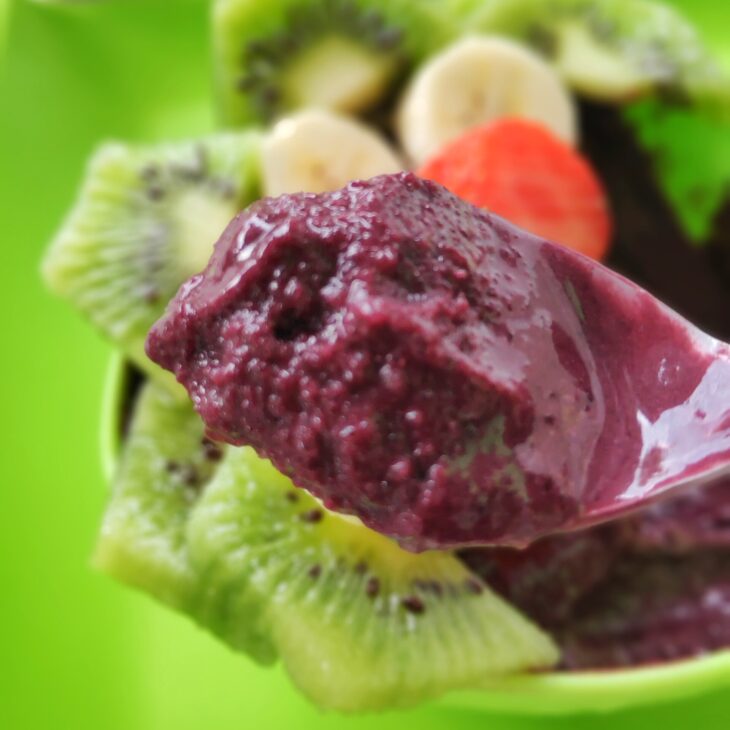
Scaling açaí worldwide requires solving a problem the customer doesn’t see: the fruit is Amazonian, perishable, and seasonal. Oakberry’s solution was to verticalize, opening its own factory in September 2022 in Santa Isabel, Pará, with production reaching the level of 7,000 tons of açaí sorbet, according to InfoMoney. It is the industrial bridge between the riverine who harvests the fruit and the store in Dubai that serves the bowl.
Controlling the origin also became a brand argument. While competitors vie for suppliers, the network ensures flavor standard and global supply coming from its own plant in Pará, and still anchors the sustainability discourse in the direct relationship with the Amazon’s extractive chain.
From São Paulo shopping mall to the Qatar desert
The network’s geography tells the dimension of the phenomenon. International expansion became the business engine, with 70% of revenue coming from outside Brazil, a strong presence in the Middle East, and annual growth reaching 144% in 2021 and 56% in 2022, with a projection of 83% following, heading towards R$ 687 million, according to InfoMoney. The brand that was born selling bowls to São Paulo residents became synonymous with açaí for Arabs, Europeans, and Americans.
The R$ 90 million investment raised by the company, according to Exame, precisely financed this worldwide surge. In the Middle East, the product found the perfect scenario: year-round heat, a high-income audience, and an appetite for healthy novelties, the combination that turned the region’s stores into sales record holders for the network.
Why açaí became Brazil’s most unlikely export product
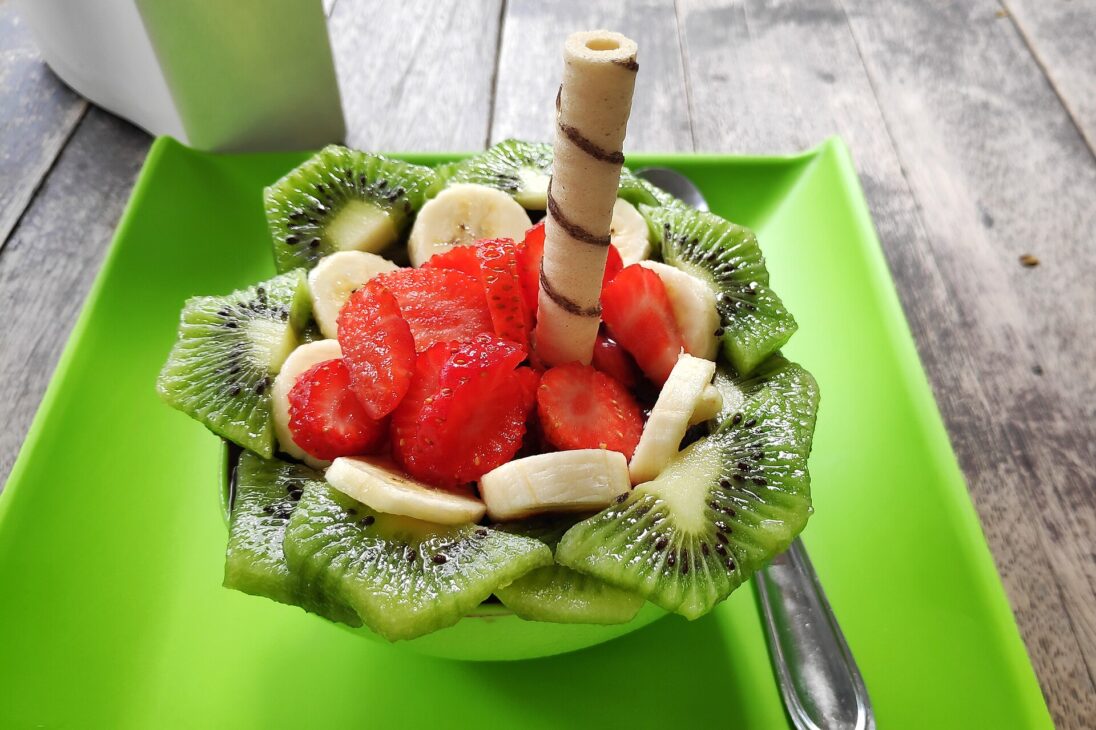
Açaí traveled a path that no planner would design. The fruit that was a riverine’s breakfast in Pará became a craze among Rio surfers, then a national fitness trend, and in the last decade, a global healthy fast-food category, with networks competing for shopping malls in New York, Lisbon, and Doha. Few Brazilian products have made this complete journey from the forest to the world showcase.
For the Amazon economy, the globalization of the fruit has a concrete effect: açaí is extractive, harvested from native palm trees, and each bowl sold abroad brings income to the chain that starts on the river dweller’s boat. It is the rare case where an export product values the standing forest.
The streamlined model that travels well
Part of the network’s success lies in the store format. The açaí operation is compact by nature: short menu, few pieces of equipment, quick preparation, and high-margin product, which allows opening in shopping mall kiosks, small street stores, or airports, the most expensive and contested retail points, without the heavy structure of a restaurant. The same design that fit in a São Paulo kiosk in 2016 fits in an airport terminal in the Gulf.
For the franchisee, this means lower investment and more predictable returns; for the brand, speed of expansion. It is the same principle that made coffee chains dominate the world, applied to a product that only Brazil has at scale.
The lesson of the kiosk that became Brazil’s embassy
The trajectory of Oakberry shows what happens when a genuinely Brazilian product gains global brand packaging. Frangulis did not invent açaí, he invented the standard: same bowl, same taste, and same experience in 48 countries, and this predictability, not novelty, is what turned R$ 300 thousand into a business on the brink of a billion. The world already liked the fruit, someone just needed to deliver it the same way on every corner.
From a São Paulo shopping mall to the desert of Qatar, Pará’s açaí became a showcase of what Brazil can export beyond commodities.
Tell us in the comments: have you seen Brazilian açaí sold abroad, and which other product of ours do you think deserves to conquer the world like this?