Portuguese
  Spanish


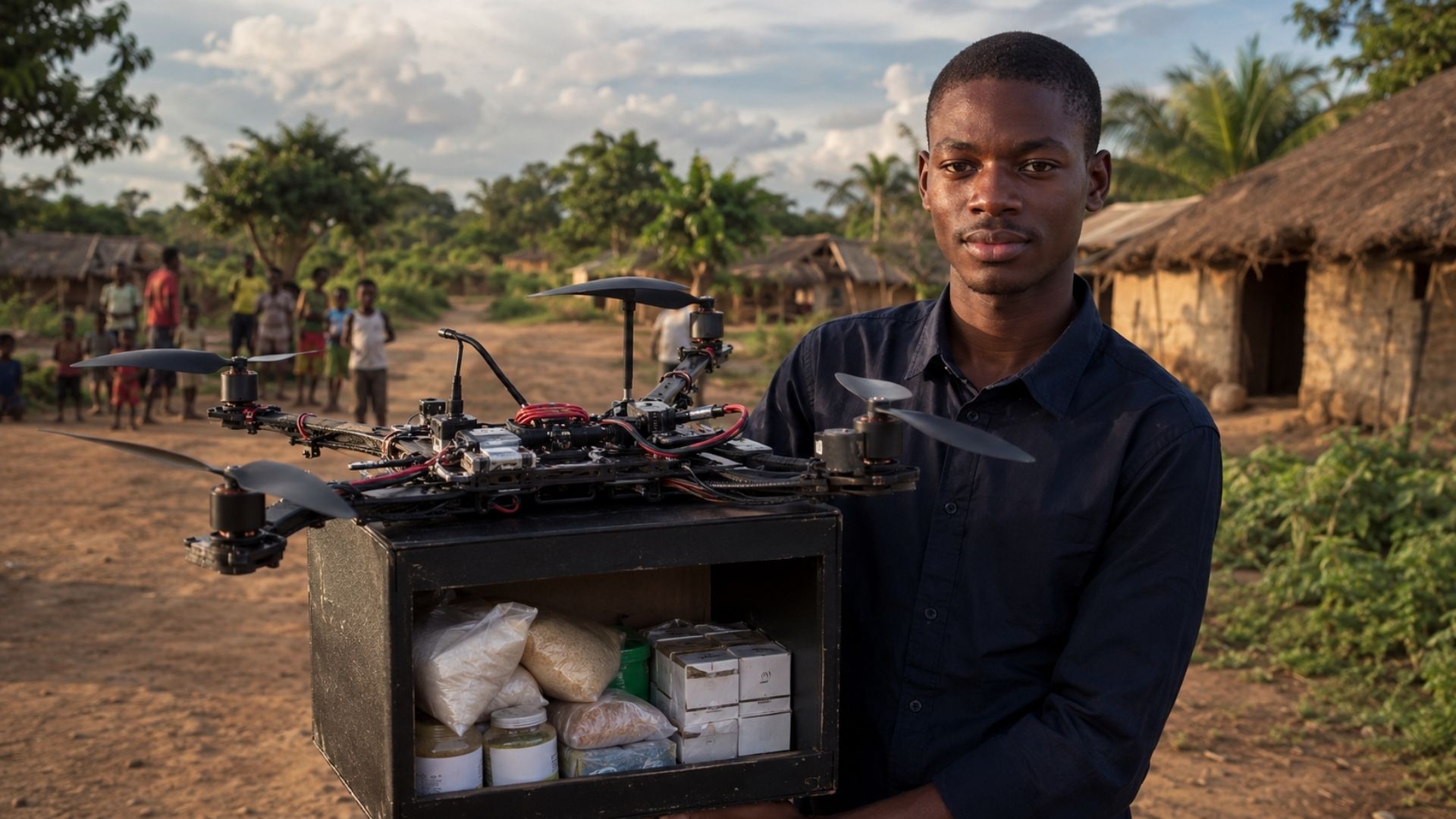

In Maputo, the capital of Mozambique, the student Cleiton Michaque, 19 years old, developed a delivery drone named “Pix”, capable of flying up to 200 km and carrying up to 2 kg. Assembled from common market drone kits with proprietary software optimizations, the device is designed to deliver food, clothes, shoes, and medicines to places where there are no roads. The project is in the testing phase and was announced on July 8, 2026.
The story combines ingenuity and purpose. According to NSC Total, the young Cleiton Michaque created a delivery drone with a 200 km range and 2 kg capacity, using drone kits sold on the market and proprietary software, with the aim of delivering basic items to isolated regions of Mozambique.
Michaque is not a newcomer to the subject. According to Diário Económico, from Mozambique, he was already known as a young drone inventor in Maputo, with previous projects that made him a local reference in technology, a journey that began with cars and robots before reaching unmanned aircraft. Next, see who the creator is, how the delivery drone flies 200 km with market parts, what it carries and why it is called “Pix”, how it solves logistics where asphalt does not reach, and what this project has to do with Brazil.
Who is the young man behind the “Pix” drone
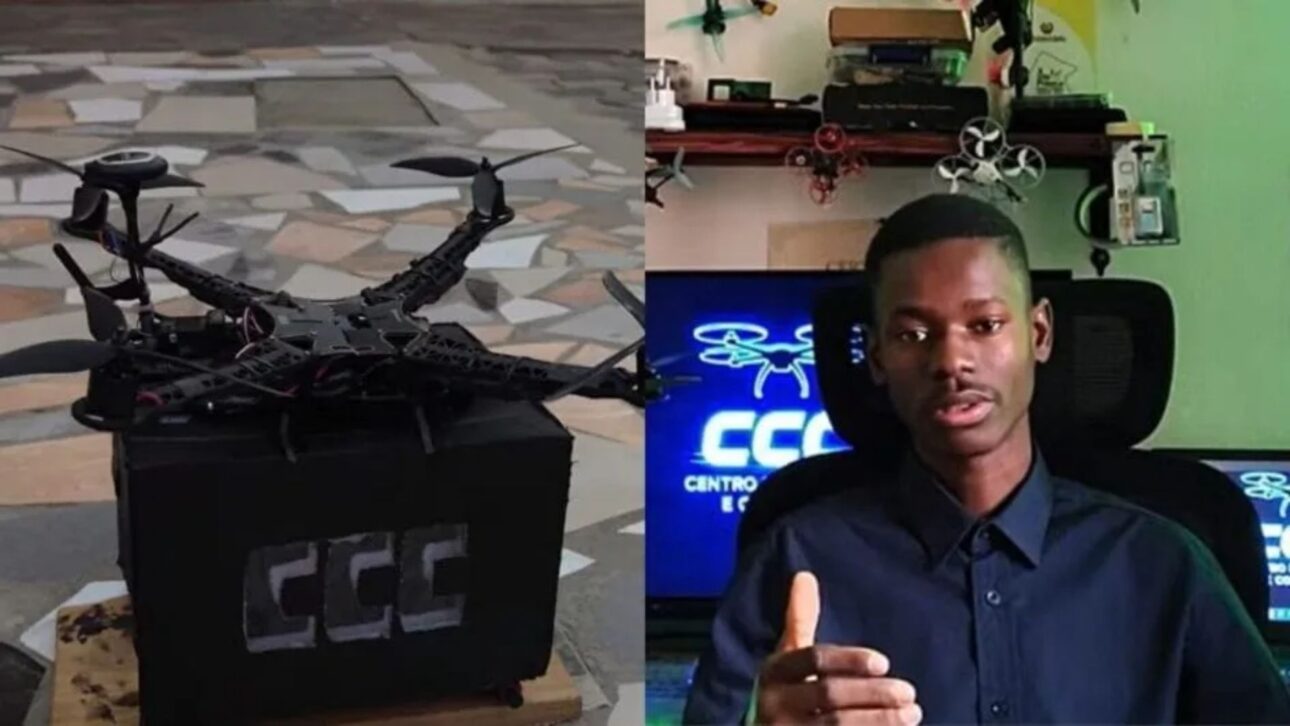
The protagonist of the story is 19 years old. Cleiton Michaque is a student from Maputo who turned his passion for technology into real projects and was already recognized in Mozambique as a young drone inventor before developing the delivery drone that is now attracting attention.
-
Experiment Shows Sea Water-Treated Ice Resists Melting Better from May to September

-
Israel Develops “Stone Battery” Using Crushed Rocks to Store Energy for Factories, Releasing Industrial Steam When Solar and Wind Power Are Unavailable
-
In the Desert, Nearly Black Solar Panels Could Trigger Rainfall: Researchers Aim to Prove if Heat from Solar Farms, Combined with Humid Winds and Artificial Dunes, Can Generate Clouds in Arid Regions

-
Electric Vehicle Repairs Cost 23% More, But the Battery Isn’t to Blame



The path up to here has been one of trial and learning. Before drones, Michaque was already tinkering with cars and robots, a journey of technical curiosity that led him to master the assembly and programming of unmanned aircraft, the basis for the delivery drone he named “Pix”.
The new project has a clear objective. Instead of focusing solely on hobby or sport, Michaque designed a delivery drone aimed at solving a concrete problem: delivering essential items to hard-to-reach communities, where the lack of roads makes it difficult for food and medicine to arrive.
It is this combination that gives strength to the story. A 19-year-old, with few resources and a lot of ingenuity, built a drone that flies 200 km to serve those in need, proving that innovation in logistics does not depend solely on large companies, but on well-executed good ideas.
How the delivery drone flies 200 km with market kits
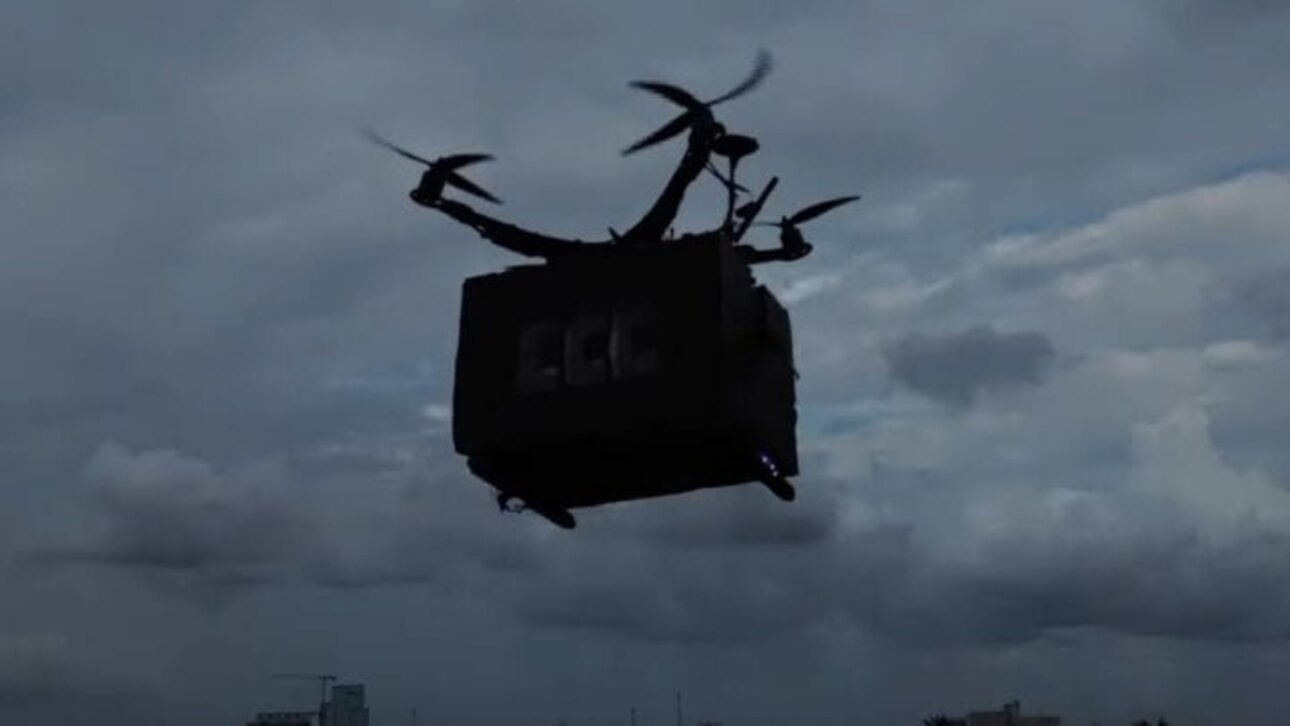
The most impressive data is the autonomy. Michaque’s delivery drone was designed to fly up to 200 km, a range far superior to common consumer drones, which would allow covering long distances between a starting point and isolated communities.
The secret lies in intelligent assembly. Instead of buying a ready-made and expensive piece of equipment, Michaque started with common market drone kits and applied his own software optimizations, a method that reduces the cost of the delivery drone and still allows it to be adjusted for the specific mission of carrying cargo over long distances.
The load capacity was also designed for real use. The drone that flies 200 km was made to transport up to 2 kg, enough weight to carry medicines, food, and other basic items, without requiring such a heavy structure that would compromise the aircraft’s range.
This balance is the heart of the project. Combining long range, payload, and low cost in a delivery drone assembled with market parts is a feat of practical engineering, and it is precisely this combination that differentiates the “Pix” from much more expensive corporate solutions.
What the “Pix” drone delivers and why the name
The focus of the project is essential items. The delivery drone was designed to transport food, clothing, footwear, and especially medications, the items urgently needed in communities where land access is slow or impossible.
The name has Brazilian inspiration. The drone is called “Pix” in reference to the Brazilian instant payment system, used as a symbol of speed, meaning the idea is for the delivery to arrive as quickly as a Pix transfer, a pun that became the project’s brand.
The choice of name is not just marketing. By associating the delivery drone with the idea of instantaneity, Michaque sums up the device’s proposal in one word: to drastically reduce the time it takes for medicine or food to reach those far from any road.
It’s a message about priority. More than speed alone, the drone that flies 200 km exists to shorten distances that today cost lives, bringing essentials to places where traditional logistics simply do not arrive in time.
Logistics where asphalt does not reach

The problem the drone addresses is real and common. In many regions, the lack of paved roads isolates entire communities, and it is in this infrastructure gap that a long-range delivery drone can become a low-cost, high-impact solution.
The advantage of flight is obvious. While a truck or motorcycle depends on roads in good condition, the drone that flies 200 km cuts through the air, ignoring rivers, mud, and impassable sections, reducing delivery time from hours or days to minutes.
The case of Mozambique is emblematic. In a country with hard-to-reach areas, a delivery drone capable of covering long distances with inexpensive parts can help deliver medicine and food to those living far from urban centers, a humanitarian use that gives meaning to the technology.
This is the type of application that excites. By solving the “last mile” where asphalt does not reach, Michaque’s delivery drone points to a future where aerial logistics complement terrestrial logistics, especially in regions lacking infrastructure.
FPV kits + software: low-cost engineering
The foundation of the project is market kits. Instead of developing everything from scratch, Michaque used common drone kits, the type sold for piloting and assembly, and focused his efforts on the part that makes a difference: the software that optimizes the performance of the delivery drone.
This choice makes it cheaper and faster. Starting with accessible components allows building a drone that flies 200 km at a fraction of the cost of professional equipment, a path that democratizes technology and makes it accessible to independent inventors.
The software is the invisible differentiator. It is the optimizations programmed by Michaque that transform a common kit into a long-range delivery drone, adjusting consumption, stability, and load so that the device completes the mission without failing along the way.
The result is a powerful proof of concept. A delivery drone assembled with off-the-shelf parts and homemade software, capable of flying 200 km, shows that the barrier to innovate in logistics has fallen, and that good solutions can be born far from major technology centers.
After all, does such a delivery drone already work?


Here, an important caution is needed. The delivery drone “Pix” is still in the testing phase, meaning it is an advanced promise but still needs to prove, in practice, that it delivers the 200 km range and the reliability necessary for real use.
The project seeks recognition. Michaque is entering the drone that flies 200 km in innovation and development awards, a step that could bring resources and partnerships to take the device from the test bench to real operation.
Testing is part of the process. Like any prototype, the delivery drone needs to undergo flights, adjustments, and validations before being reliable for routine medicine transport, and this is what separates a good idea from a functioning service.
Even so, the potential is clear. Even in tests, Michaque’s delivery drone already demonstrates a valuable concept, and its success will depend on resources, regulation, and partnerships to scale, the same challenge faced by similar projects worldwide.
Why does a drone that flies 200 km attract attention in Brazil?
The Brazilian interest has a reason. Brazil is experiencing a rapid advancement in drone delivery, and a drone that flies 200 km assembled with cheap parts directly speaks to a country of continental dimensions and many hard-to-reach areas.
The contrast is revealing. While Brazilian delivery drone operations still cover short distances in cities, the “Pix” promises a much greater range for rural areas, showing two different paths to the same logistics problem.
The low-cost logic also inspires. Seeing an efficient delivery drone born from market kits and homemade software is a reminder that innovation in logistics doesn’t have to be expensive, something that can motivate Brazilian makers and entrepreneurs to create local solutions.
Finally, there’s the name. Naming the drone that flies 200 km “Pix,” in reference to the Brazilian system, brings the story even closer to the Brazilian public, who recognize in the word the symbol of something fast, practical, and accessible.
What the “Pix” delivery drone has to do with Brazil
The strongest parallel is regulatory. In Brazil, the civil aviation regulatory agency has already authorized permanent delivery drone operations in partnership between apps and national technology companies, a milestone that placed the country among those that take aerial logistics seriously.
Brazilian operations are already a reality. Delivery drone services operate in cities like Aracaju, with dozens of deliveries per day on short routes of a few kilometers, in a model where the drone handles the difficult stretch without replacing the human delivery person.
The infrastructure hook is the same. Both in Brazil and Mozambique, the drone that flies 200 km or short-route drones tackle the “last mile” problem, proving that where the road fails, the air can be the fastest path for a delivery.
The common lesson remains. The story of the “Pix” delivery drone shows that the biggest barrier is often not technology, but infrastructure, and that creative and cheap solutions can bring food and medicine to those who need it most, in Brazil, Mozambique, and anywhere without asphalt.
In the end, Cleiton Michaque’s project is a lesson in ingenuity. A 19-year-old built a delivery drone capable of flying 200 km with market parts and his own software, aiming to deliver essentials to those living far from any road, a simple and powerful idea.
More than the technical achievement, what impresses is the purpose. The drone that flies 200 km wasn’t created to impress, but to solve a real logistics and health problem, showing that technology gains meaning when it serves people.
And you, would you trust the delivery of medicine or food to a delivery drone like “Pix,” or do you think drone logistics still needs to mature before becoming routine? Share your opinion in the comments and share with those interested in technology and innovation.