Portuguese
  Spanish


Test conducted in Cambridge Bay, Canada, showed that areas of sea ice became brighter and melted more slowly after receiving seawater during the winter. The effect increases the reflection of sunlight, but large-scale application still depends on further studies
An experiment in the Arctic showed that thickening sea ice can alter not only its thickness but also its appearance. During the tests in Cambridge Bay, Canada, treated areas became brighter and melted more slowly between late May and September.
The difference was observed after researchers pumped seawater onto the ice during the winter of 2024 to 2025. The water soaked the accumulated snow, froze, and created an extra layer on the surface.
Why the brightness of the ice matters
Brighter ice reflects more sunlight back into space. This effect is known as albedo and helps reduce heat absorption by the surface.
-
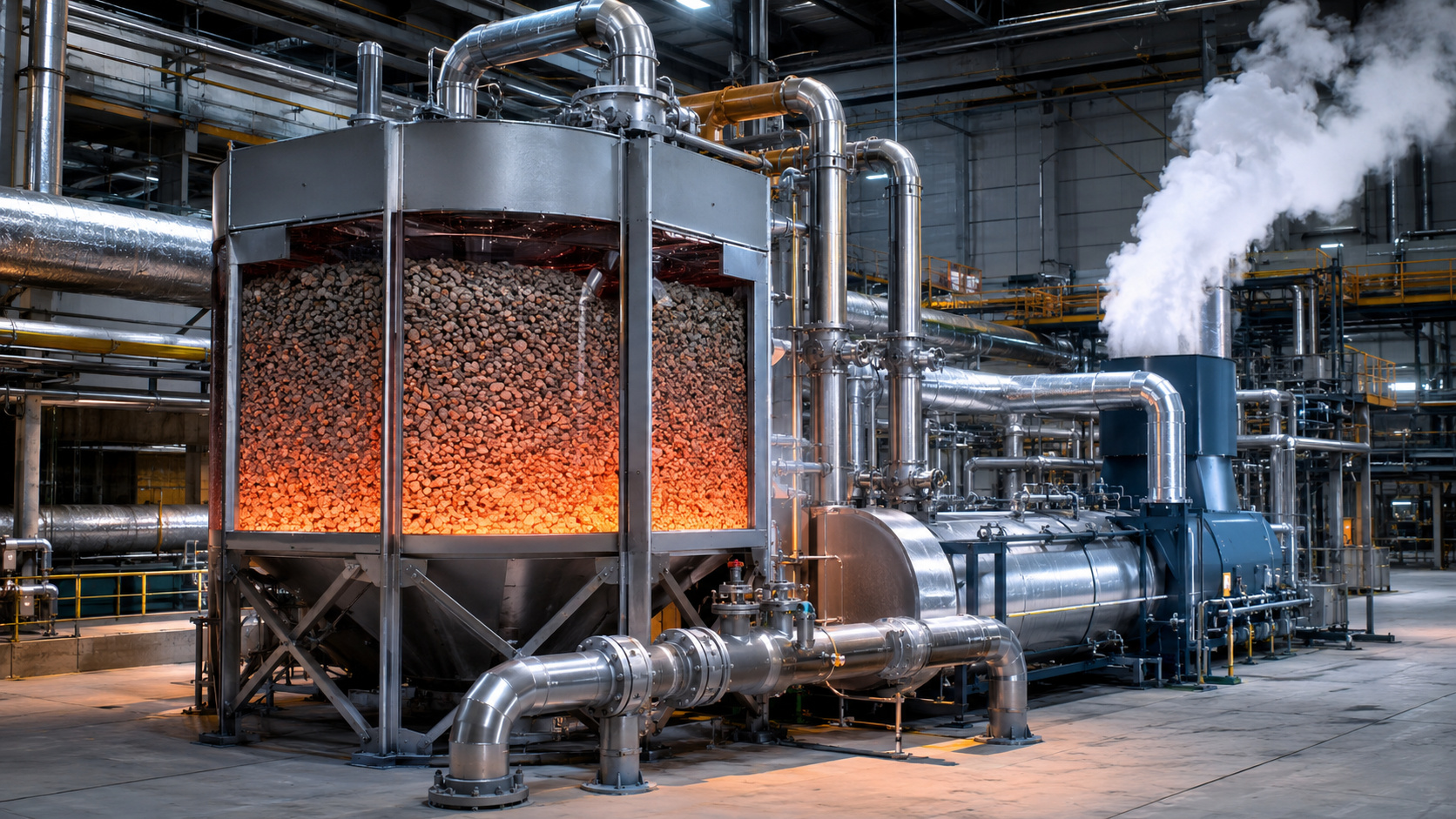
Israel Develops “Stone Battery” Using Crushed Rocks to Store Energy for Factories, Releasing Industrial Steam When Solar and Wind Power Are Unavailable

-
In the Desert, Nearly Black Solar Panels Could Trigger Rainfall: Researchers Aim to Prove if Heat from Solar Farms, Combined with Humid Winds and Artificial Dunes, Can Generate Clouds in Arid Regions

-
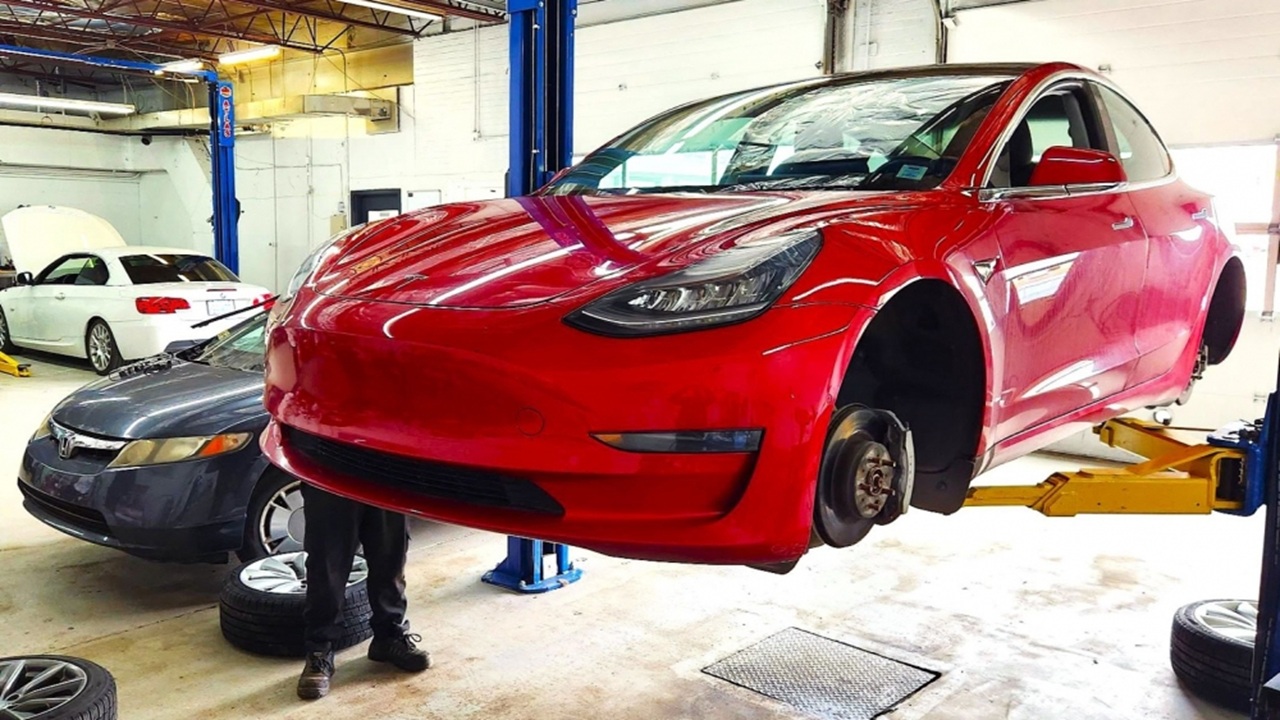
Electric Vehicle Repairs Cost 23% More, But the Battery Isn’t to Blame
-
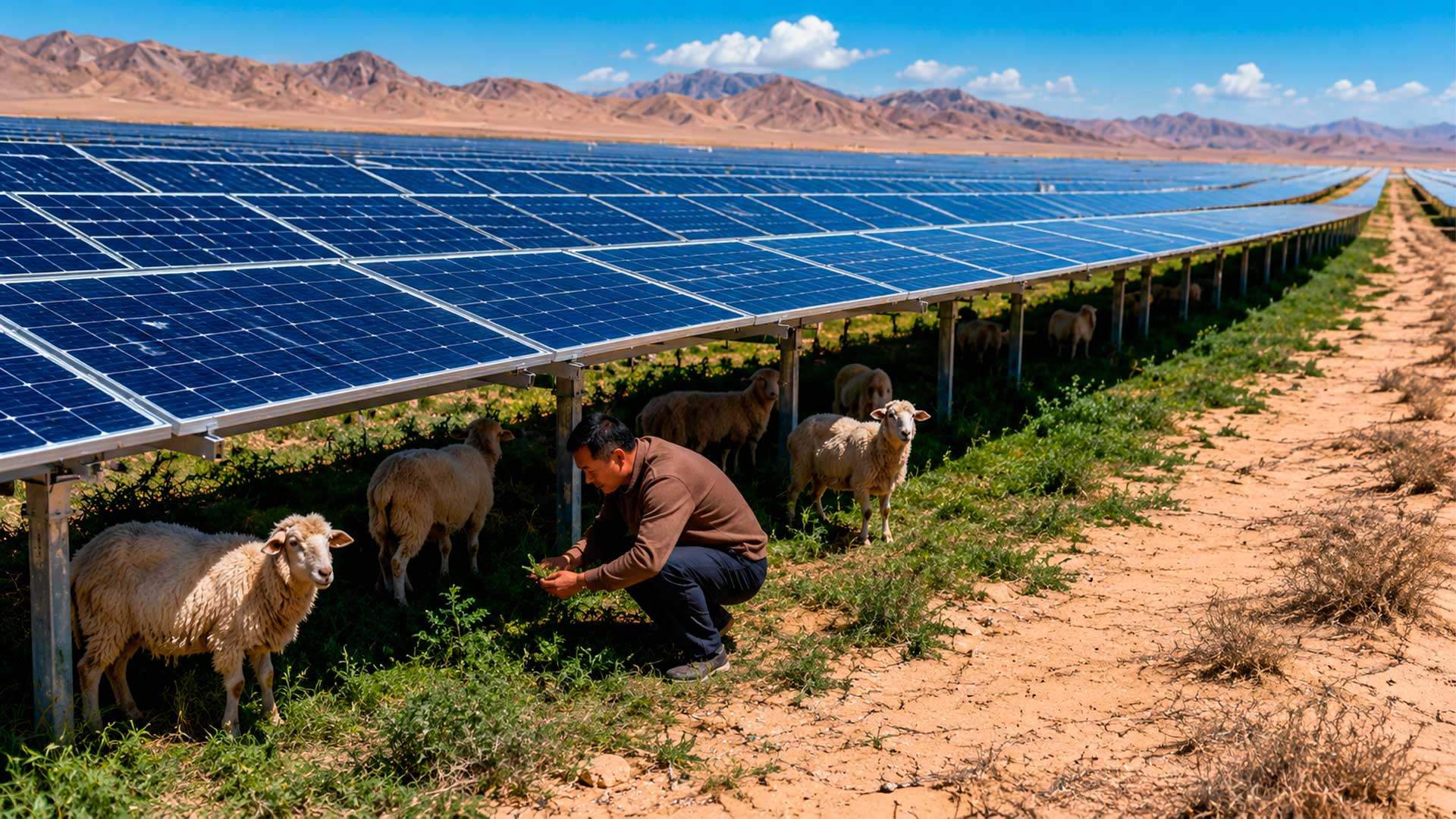
China’s Solar Panel Installation in Desert Unintentionally Alters Soil, Moisture, and Vegetation Dynamics


In the test, the areas that received seawater remained brighter during the melting period. They were also thicker than the control points, which did not undergo artificial flooding.
The scientists also conducted a separate experiment of draining meltwater lakes. Small holes were opened in the ice to remove the melted water and expose the brighter layer below.
Technique still depends on further studies
The result indicates that the brightness of the ice could be an important factor in local adaptation strategies in the Arctic. Bright surfaces reflect more radiation, while dark areas absorb more heat.
Even so, large-scale application is still uncertain. The technique would require field operation, equipment, maintenance, and assessment of ecological and social impacts before any broader use.
With information from livescience and agupubs.