






 Portuguese
  Spanish


Aggressive discount repositions compact hatch in the Brazilian market and places model below direct competitors in a scenario of rising new vehicle prices, with a focus on fuel economy, urban use, and reduced maintenance costs.
Dealership offers have started advertising the Fiat Mobi Like 2026 for R$ 67,990, repositioning the model as one of the most affordable zero-kilometer options in the country amidst escalating prices in the entry-level segment.
With an approximate reduction of R$ 12,000 from the previously practiced price, the strategy targets consumers who prioritize daily savings, especially in large urban centers, where usage and consumption costs heavily influence purchasing decisions.
In this competitive scenario, the compact hatch is now positioned below direct rivals and established models such as the Renault Kwid, Citroën C3, Chevrolet Onix, and Fiat Argo, which currently occupy higher price ranges in their most basic versions.
-
Iconic Orange Double-Decker Bus, a Dutch Fan Favorite for Over 20 Years, Arrives in Texas for the World Cup After Touring Brazil, England, Qatar, and More

-
$100 Million Hypercar Collection, Including Ferrari LaFerrari and McLaren Speedtail, Found Abandoned at Los Angeles Airport
-
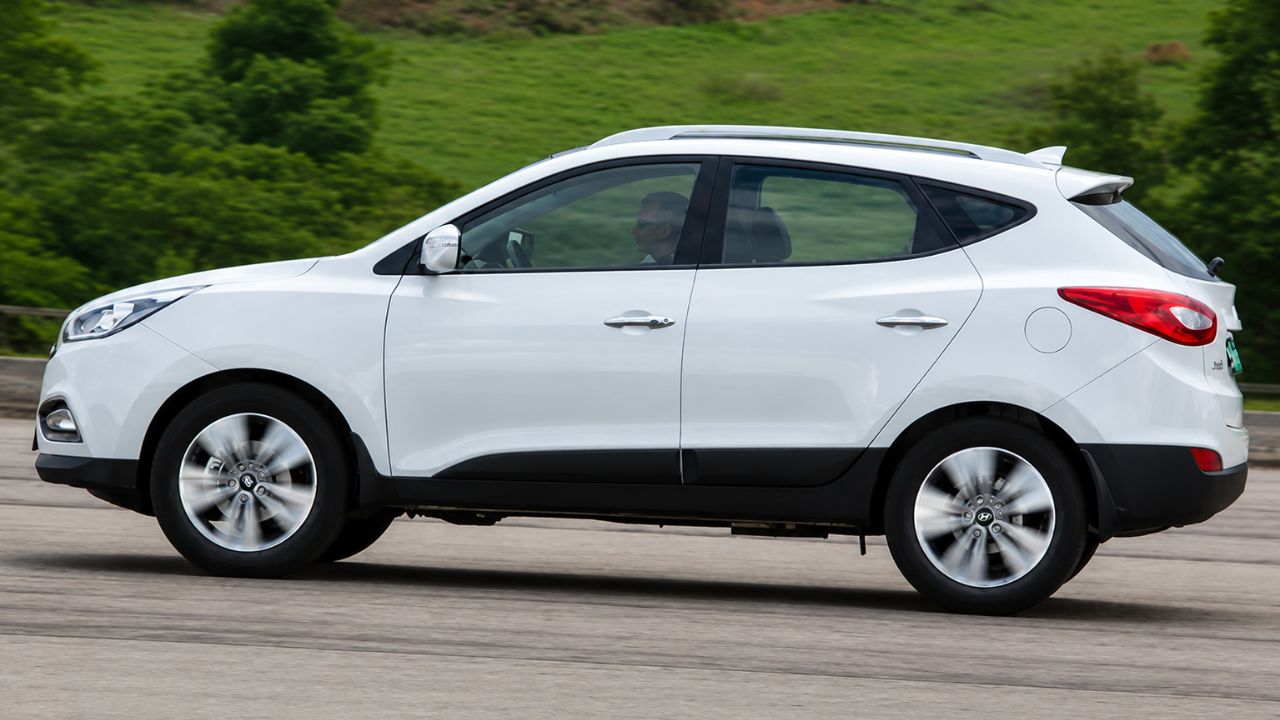
Hyundai ix35 2019: A Forgotten SUV with 2.0 Engine and 650 km Range Costs Less Than a New Kwid in Brazil
-
Harley-Davidson Enters Urban Electric Era with LiveWire S4 Honcho Minibikes: Lightweight, Affordable, 85 km Range, Priced Around $5,000



Fiat Mobi 2026 price below R$ 70,000
Applied to the Like version, the promotional condition significantly alters the model’s positioning, which was previously found for around R$ 79,990, while now it is advertised for R$ 67,990 in specific units available on the market.

Depending on the region, stock, and even available colors, prices may vary, as the campaign does not necessarily represent an official change in the price list, but rather a specific action adopted by dealerships.
Even so, by falling below R$ 70,000, the Mobi now occupies a price range practically abandoned by new vehicles in Brazil, which broadens its appeal among consumers looking for their first car or a more economical option.
1.0 Firefly Engine and consumption of up to 15.1 km/l
Under the hood, the model retains the well-known 1.0 Firefly flex three-cylinder engine, paired with a five-speed manual transmission, a combination that prioritizes energy efficiency over higher performance.
When fueled with ethanol, the engine delivers up to 75 hp, while with gasoline, the power reaches 71 hp, figures compatible with the proposal of a hatch aimed at urban and daily use.
Furthermore, the maximum torque of 10.7 kgfm reinforces the model’s suitability for short commutes, facilitating driving in heavy traffic and common situations in large cities.
According to data released for this version, consumption reaches 15.1 km/l on the highway with gasoline, while in the city, the reported average is 14 km/l, reinforcing the focus on economy.
When using ethanol, on the other hand, the figures are 9.8 km/l in the urban cycle and 10.6 km/l on highways, maintaining an expected standard within the entry-level category.

Mobi Like 2026 Equipment
Even positioned as a basic version, the model includes items considered essential for daily use, such as air conditioning, electric power steering, and electric front windows, features that ensure a minimum level of comfort for the driver.
In addition to these items, there are electric locks, as well as mandatory safety equipment such as front airbags, ABS brakes, and traction and stability controls, which have become required by Brazilian regulations.
Although the equipment list is lean, it follows the standard for entry-level vehicles, providing what is necessary to meet legal requirements and basic consumer expectations.
For those seeking a small upgrade, there is the Essential Pack, offered for R$ 990, which adds fog lights and electrically adjustable mirrors, subtly increasing the level of convenience.
Even with this additional cost, depending on commercial conditions, the final price can still keep the model competitive against direct competitors in different regions of the country.
Mobi surpasses competitors in initial price
With the promotional price of R$ 67,990, the Mobi gains a momentary advantage over other entry-level models, which currently appear with higher values in their initial versions.
Among them, the Renault Kwid, Citroën C3, Chevrolet Onix, and Fiat Argo are in higher price ranges, reflecting a market pressured by production costs and mandatory safety updates.

Even so, this price dispute tends to change frequently, as bonuses, regional campaigns, and financing conditions can significantly alter the values practiced by automakers.
In this context, the adopted strategy reinforces the use of specific discounts as a tool to attract consumers, especially during periods of lower demand or the need to renew stock.
Limited offer and stock-dependent
The campaign was presented as a limited action, valid until the end of April or while units are available, indicating a movement aimed at liquidating specific stock.
Normally, this type of offer involves vehicles with a defined configuration, without extensive customization possibilities, in addition to variations according to availability at each dealership.
Therefore, interested parties need to confirm the conditions directly at the point of sale, including payment methods, any financing requirements, and specific rules applied to the promotion.
Even being one of the simplest models in Fiat’s lineup, the Mobi reinforces its role as an entry point into the new vehicle market, especially for those who prioritize economy and practicality in daily use.
With the applied reduction, the hatchback expands its competitiveness in an increasingly restricted segment, marked by the constant rise in prices and the decrease in truly accessible options for the Brazilian consumer.


