






 Portuguese
  Spanish


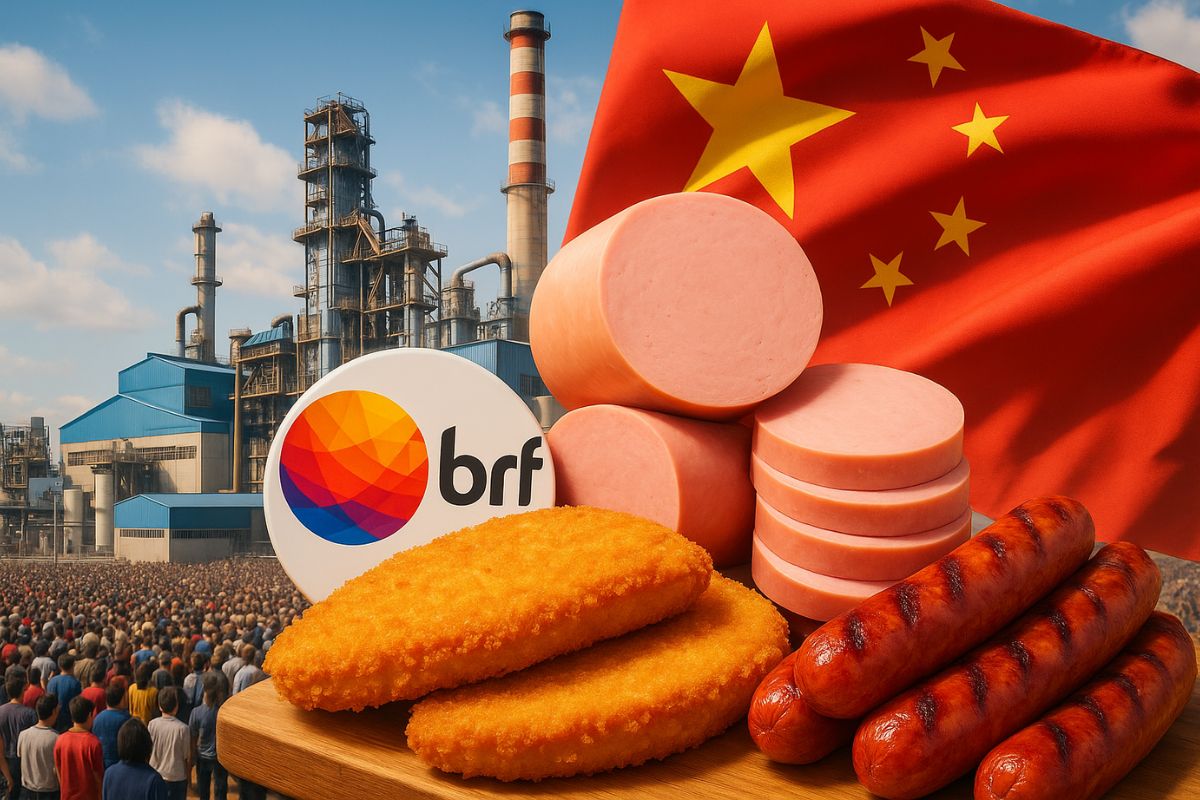


Strategic Acquisition of Processing Plant in Henan Strengthens BRF’s Global Presence and Anticipates Geopolitical Movement in the Food Sector
BRF Bought Factory in China for US$ 43 million, a third of its original construction value, consolidating a quiet strategic move in the global food sector. The plant, located in Henan province, was built by the American OSI in 2013 for over US$ 150 million but became idle after losing contracts with McDonald’s, creating a rare window of opportunity.
According to Brazil Journal, the deal was orchestrated by businessman Marcos Molina, owner of Marfrig, who also controls BRF and was based on both the crisis at OSI and the understanding that American companies are retreating from China, opening space for new players in the Asian market.
Understand the Context Behind the Purchase
The factory was idle but well-maintained and up to date. Even so, its market value plummeted after the termination of the contract with McDonald’s, which led OSI to seek strategic buyers. Molina, who had known the company since the acquisition of Moy Park in 2008, was directly approached by OSI’s founder.
-
Brazil’s 2026 Tax Refund: Record 9.58 Million Filers in Largest Payout Ever, But a Key Detail on Priority Recipients Draws Nationwide Attention

-
Itaú Alters Hybrid Work Model, Increasing Office Days from 2028, Prompting Employees to Adjust to New Routine
-
Facing Labor Shortage, Japan Plans to Invest $34 Million to Attract Foreign Workers in Construction, Healthcare, Industry, and Commerce

-
Brazilian City Makes Remarkable Leap, Becomes 4th Wealthiest in the Country with GDP of R$ 134.1 Billion




The proposal was simple: transfer the asset for a value well below replacement cost, with high potential for recovery. BRF saw the plant as a low-risk and high-return asset, especially considering its location: Henan has over 100 million residents and is near provinces that total over 400 million consumers.
What Changes with This Factory in Practice?
BRF’s plant will produce multi-protein processed foods, focusing on pork and chicken, already operational, and will also have a line of beef hamburgers. The current capacity is 30,000 tons per year, but the company’s goal is to double this volume in up to 18 months, with an additional investment (capex) of US$ 36 million.
The production will be aimed at both the Chinese domestic market and exports, focusing on food service networks like McDonald’s, local restaurants, and large supermarkets. The strategy is to strengthen BRF’s global presence with value-added products and meet the growing demand for processed foods in Asia.
Why Are Americans Leaving China?
The sale of the factory by OSI is part of a larger movement. Companies like Tyson and Cargill are also selling assets in China, primarily motivated by trade tensions and geopolitical misalignments between Washington and Beijing. BRF, on the other hand, bets on approaching the Chinese market as a competitive differential.
For analysts consulted by Brazil Journal, this American withdrawal creates a supply vacuum in one of the world’s largest consumer markets, and BRF is positioning itself to fill it quickly and efficiently.
What Is the Importance of This Acquisition for BRF?
Although it represents less than 0.5% of the total projected capacity of the MBRF company that may arise from the merger between Marfrig and BRF, the Chinese factory will be the second largest unit of the company outside the Americas, second only to a plant in the Middle East.
Additionally, the acquisition aligns with BRF’s global strategy to diversify its international operations, reduce dependence on traditional markets, and increase margins with higher value-added processed products.
The choice of the plant and the timing of the deal demonstrate a sharp understanding of the global context, combining geopolitics and commercial opportunity.
Do you believe that BRF’s move anticipates a shift in the global food market? Could the exit of American companies from China open more space for Brazil? Comment below and share your view on this strategic movement.








Tenho certeza de que a China terá uma Disney em breve : a diferença é que o turista entrara sem celular e só poderá abrir a boca para gritar. 😝
O Irã providenciará o parque temático das bombinhas.
Cada dia melhor 😉.
Eita gente inteligente esses eleitores do super **** defensor dele mesmo e dos seus aliados.
Falou pouco e falou ****
Ótima estratégia, vamos para onde nos querem👏
Você não sabe muito de China , ou deteoente sabe nada de China
Se americanos estão saindo , porque tem algo errado !!! Com certeza não são a taxas de Trump contra o comércio chinês !