






 Portuguese
  Spanish


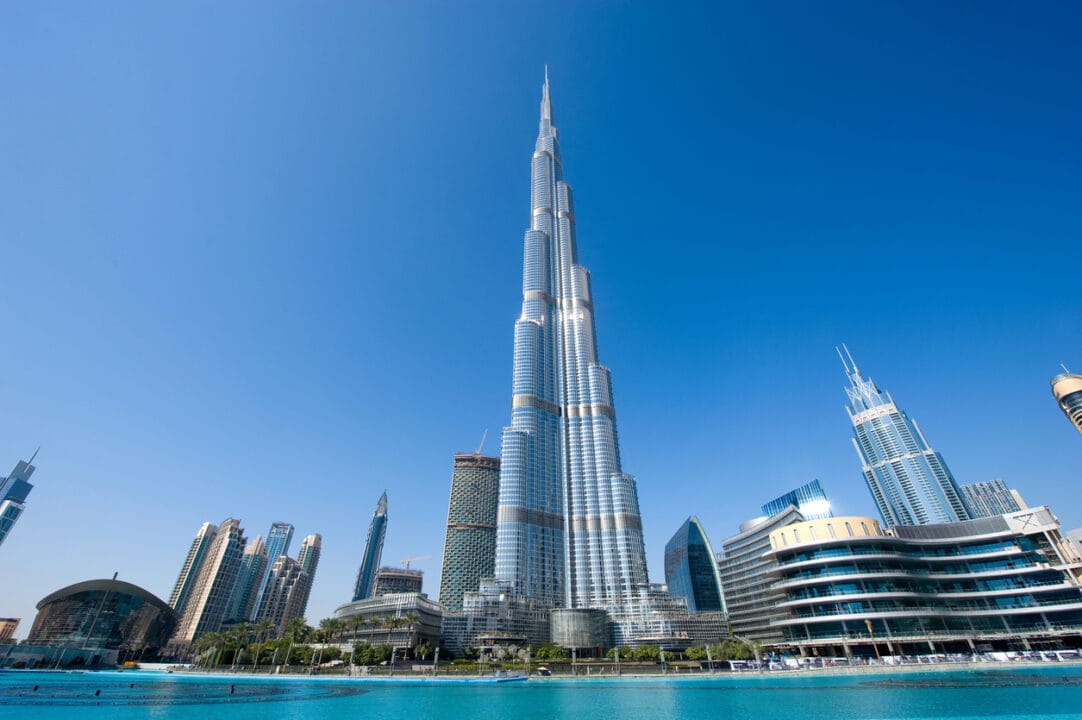
That Burj Khalifa is the tallest building in the world is no surprise! However, this venture is also considered one of the safest in the world, designed to withstand earthquakes, fires, and storms.
To withstand earthquakes, Burj Khalifa – considered the tallest building in the world, is equipped with advanced safety features that protect its structure. Located in Dubai, in the United Arab Emirates, this iconic skyscraper is the tallest in the world, standing at 828 meters high with 163 floors. Additionally, it was designed to withstand other types of disasters, including fires and storms, ensuring exceptional robustness against adversities.
What Technologies Are Present in the Tallest Building in the World?
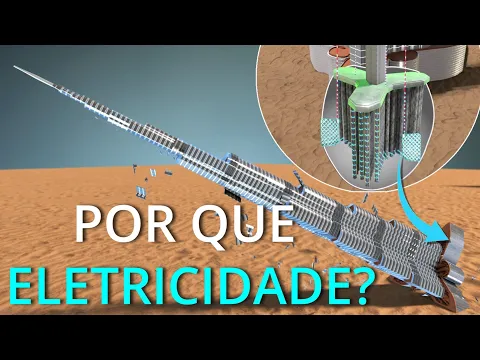

Although it is extremely safe, Burj Khalifa is not indestructible. Depending on the severity of events, the protections may not be enough to prevent possible severe damage. According to the design of the tallest building in the world, the venture can withstand earthquakes of up to seven degrees on the Richter scale.
The protection even exceeds the standards of magnitude 5.9 required in Dubai. There are also motion sensors that detect and report unusual movements in the structure of Burj Khalifa. To enhance earthquake detection capability, engineers also connected the building to an interconnected analysis system: OASIS.
-
Canadian City Builds 8 Tiny Homes in 72 Hours for Homeless Youth, Plans 40 Affordable Houses for Female-Led Families Amid Housing Crisis

-
45-year-old Brazilian mother of 9 and grandmother of 12 receives 27 m² house made from recycled plastic, built in 15 hours with interlocking blocks and a recycled roof.
-
Ireland Installs 654 Modular Homes to Shelter 2,640 Ukrainian War Refugees, Offering a 60-Year Guarantee and a Model for Future Housing Crises
-
Sagrada Família Becomes World’s Tallest Church at 172.5 Meters, Surpassing German Church with Gaudí’s Design


OASIS stands for Online Alerting of Structural Integrity and Safety. The literal translation would be something like online alerts for structural integrity and safety. When implemented, the system provides data on acceleration, velocity, displacement, and deviation between floors in buildings.
The tallest building in the world uses an advanced mechanism to reinforce the structure against seismic shocks called cross bracing. In ordinary buildings, the system causes two diagonal supports to cross in an X shape.
In Burj Khalifa, there is a hexagonal concrete core with several horizontal beams shaped like a “Y” extending outward, ensuring a tripod stance. This makes the construction more resistant to twisting, reducing the vortex effect of strong winds and earthquakes.
Burj Khalifa is Thought Out for Survival in Case of Accidents
Another technology present is the active mass damper, which reduces the degree of oscillation during earthquakes by constructing a counterweight in the structure. Through a device installed on top and connected to viscous dampers that absorb shockwaves, the building balances itself. When the tallest building in the world sways to the left, for example, the mass damper tends to move to the right, utilizing the colossal weight of the structure.
Even in cases of very strong earthquakes and other disasters, Burj Khalifa still offers 160 reinforced concrete fireproof staircases and refuge areas that increase survival chances.
Every 25 floors, there is a special room separated from the main structure capable of resisting fire for up to two hours. The environment is also climate-controlled and pressurized, aimed at reducing smoke entry. The idea is that people can catch their breath in case of a total evacuation of the tallest building in the world.
Burj Khalifa Also Has 38 Elevators for Evacuation
The elevators in Burj Khalifa can also function as a means of escape. Each cabin supports between 12 and 14 passengers and reaches speeds of 10 meters per second. Additionally, the elevators are located in the central concrete core and, thus, are fire-resistant. In addition to the 57 traditional elevators and eight escalators, there are also 38 exclusive elevators for evacuation.
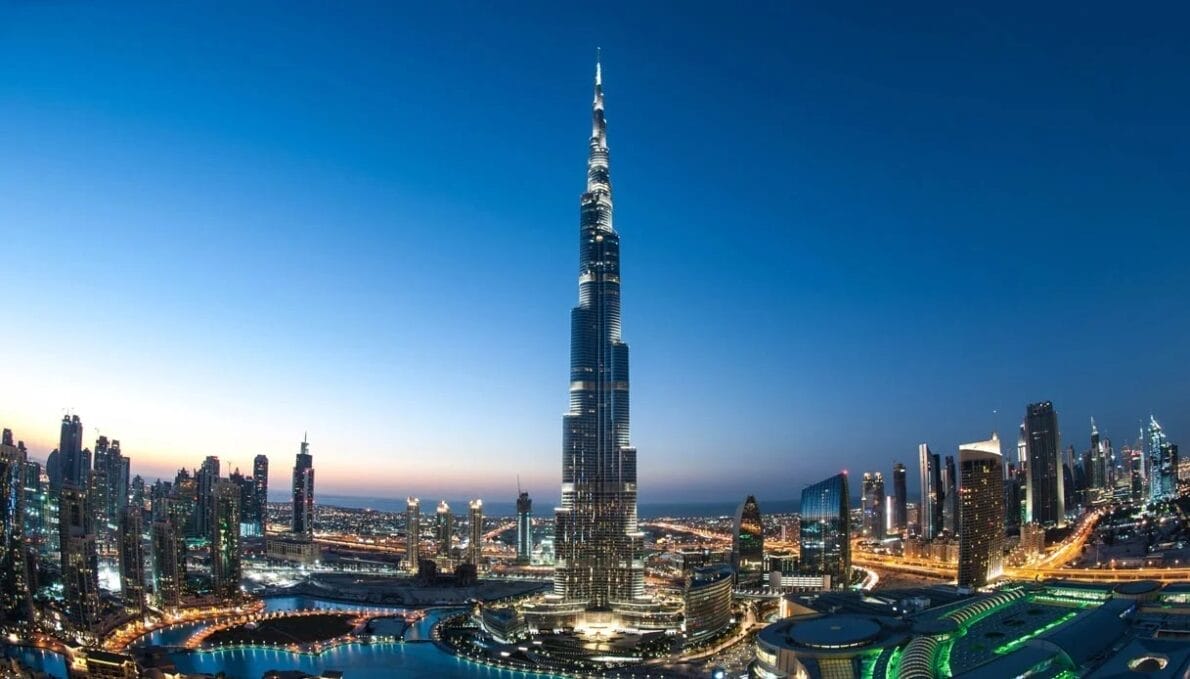
Thus, the tallest building in the world challenges the limits of modern engineering, with 1.5 million square meters of area, equivalent to 200 hotel rooms, and 526,76 thousand square meters of built area. Besides being the tallest structure built by humanity to date, it is also the tallest free of cables.




-

1 person reacted to this.