






 Portuguese
  Spanish


Global Automotive Market Faces Transformations: Americans Reject Chinese Cars and Take Measures That Could Block Giants Like BYD, Altering the Competitive Scenario in the United States and Impacting the Global Industry.
The Chinese car market is one of the most dynamic and competitive in the world, driven by strong technological innovation and a growing share in the electric vehicle segment. Despite its global advancement, these vehicles face significant resistance in the United States, one of the largest automotive markets on the planet. This rejection, motivated by political, economic, and national security issues, has led to a series of initiatives to restrict the presence of Chinese brands in U.S. territory. BYD, one of the giants in the electric sector, is among the companies that could be directly impacted by these measures. Additionally, the U.S. seeks to reinforce its leadership in the global automotive market by promoting local manufacturers and strategic partners while limiting the entry of Chinese competitors.
We will examine in detail the reasons behind American resistance to Chinese electric vehicles, analyzing how issues such as unfair competition, espionage suspicions, and tax incentives shape this dispute. We will also address the potential consequences of these policies for BYD and the global automotive market, highlighting the impact on the transition to electric mobility on a worldwide scale.
Main Reasons That Could Leave BYD Out of the U.S.
American protectionism, which could leave BYD out of the U.S., is primarily a strategy to preserve its economy. The practice consists of creating trade barriers such as high tariffs, specific regulations, and policies that favor local industries.
-
Nissan Kicks S Direct 2018: Affordable Used SUV with Over 13 km/l Fuel Efficiency, 432-Liter Trunk, and CVT Automatic Transmission

-
Iconic Orange Double-Decker Bus, a Dutch Fan Favorite for Over 20 Years, Arrives in Texas for the World Cup After Touring Brazil, England, Qatar, and More
-
$100 Million Hypercar Collection, Including Ferrari LaFerrari and McLaren Speedtail, Found Abandoned at Los Angeles Airport
-
Hyundai ix35 2019: A Forgotten SUV with 2.0 Engine and 650 km Range Costs Less Than a New Kwid in Brazil


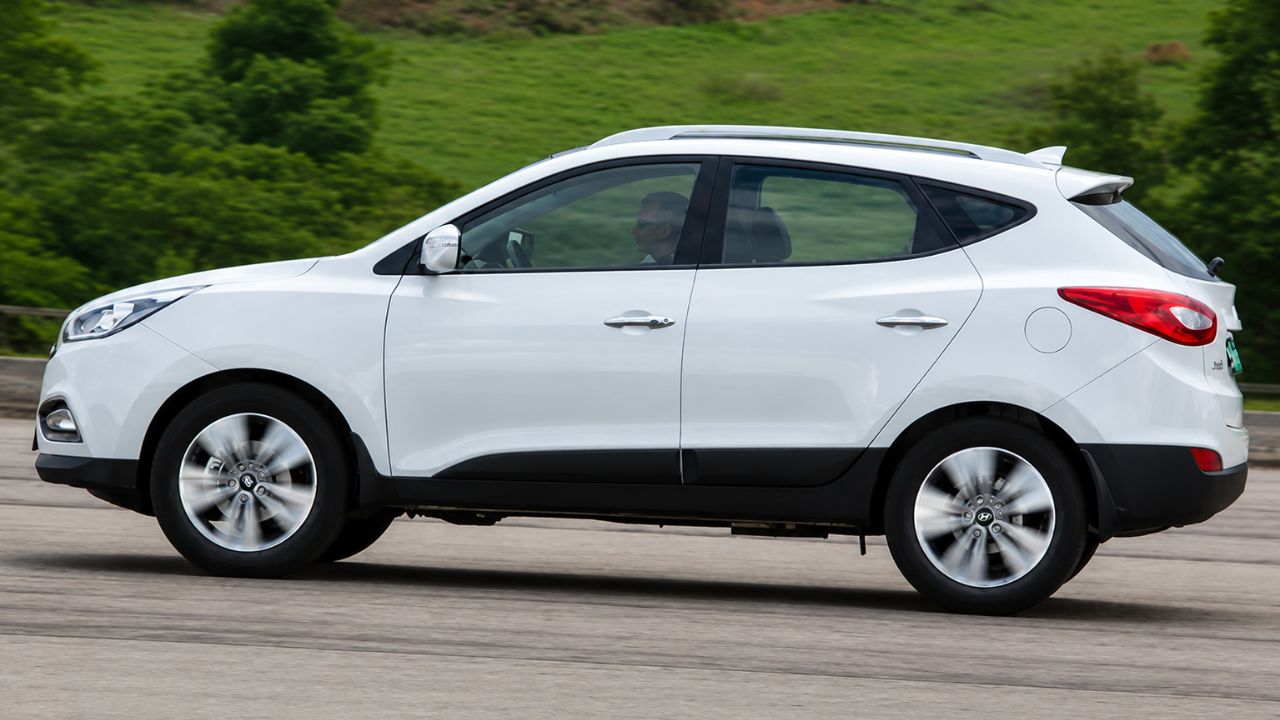
A clear example is the 100% tariff on Electric Vehicles Coming from China. Chinese cars are rejected by Americans, making it almost impossible to compete with brands like Tesla, Ford, and General Motors, which dominate the global and local automotive market.


In addition to tariffs, there are technical restrictions that directly impact international manufacturers. U.S. legislation requires vehicles to meet specific standards such as connectivity systems and safety adapted to local regulations. For foreign companies to adapt to these requirements represents a significant additional cost, which could leave BYD out of the U.S., along with other Chinese manufacturers.
Another important factor is the patriotic sentiment of consumers, and in the United States, buying a domestic car is seen as an act of support for the local economy. Foreign brands, especially Chinese ones, face distrust from an audience that values the domestic industry. This combination of political and cultural barriers creates a hostile environment for new brands, even those that offer technological innovations and competitive prices.
U.S. Fears Espionage by Other Countries in the Global Automotive Market
What the United States truly fears when allowing the entry of Chinese cars is that a connected car collects data while the driver is on a trip. Now imagine that this information could fall into the hands of foreign companies or even foreign governments. Chinese cars are rejected by Americans, and this is not just a theory but a real threat.
With the rise of connected vehicles, the embedded technology has become as important as the engine or the design. These modern cars use systems that allow remote monitoring, software updates, and even autonomous driving. However, these same features bring risks.
The U.S. government raises serious concerns about the possibility of espionage through these systems. Thus, initiatives could leave BYD out of the U.S., with it being one of the manufacturers viewed as potential channels for accessing sensitive information.
China Does Not Have a Good Reputation in the Global Automotive Market?
It is also worth mentioning that Chinese cars are rejected by Americans due to the perception that products from the Asian country are inferior. This idea has historical roots, and for much of the 1980s and 1990s, China was associated with the production of cheap and low-quality items.
Products that reached the American market frequently had durability and finishing issues, reinforcing the stereotype. In the automotive sector, this negative image was amplified in the early 2000s when some Chinese brands tried to enter the global automotive market with vehicles that did not meet the expected safety and performance standards.
Many of these cars failed crash tests and presented technical problems, creating a legacy that is difficult to overcome. Today, however, the reality is quite different, and brands like BYD and GWM have heavily invested in technology and innovation, achieving high-quality standards.


