






 Portuguese
  Spanish


The Chinese Manufacturer Faces a Stalemate at Its New Plant in Bahia, Where a Batch of Parts Is Held at the Port of Salvador. The Delay Threatens the Production Schedule and May Lead to Mandatory Leaves Before the First Car Is Assembled.
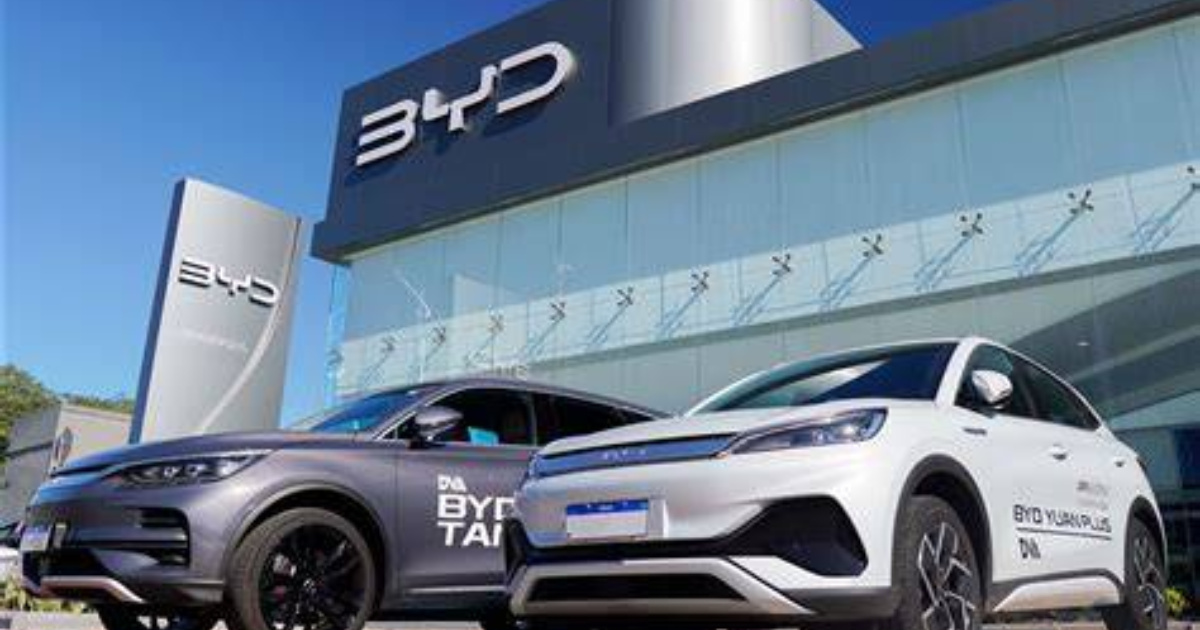
BYD faces a bureaucratic impasse that has delayed the start of its operation in Camaçari (BA).
A batch of imported parts and components remains held at the Port of Salvador, preventing the assembly of the first vehicles and opening the possibility of mandatory leaves even before production begins.
The company confirms the retention of the cargo but does not officially attribute the cause of the blockade.
-
Facing Labor Shortage, Japan Plans to Invest $34 Million to Attract Foreign Workers in Construction, Healthcare, Industry, and Commerce

-
Brazilian City Makes Remarkable Leap, Becomes 4th Wealthiest in the Country with GDP of R$ 134.1 Billion

-
Controversial 6-day Workweek Elimination in Brazil Faces Economic Criticism Over Productivity Claims
-
Itaú to Refund Customers After 14 Years of Unauthorized Credit Card Charges; Agreement Includes No Interest or Adjustments, Deadline by 2028, with Potential Impact of Up to $6.5 Billion





Port Impasse Delays Production in Bahia
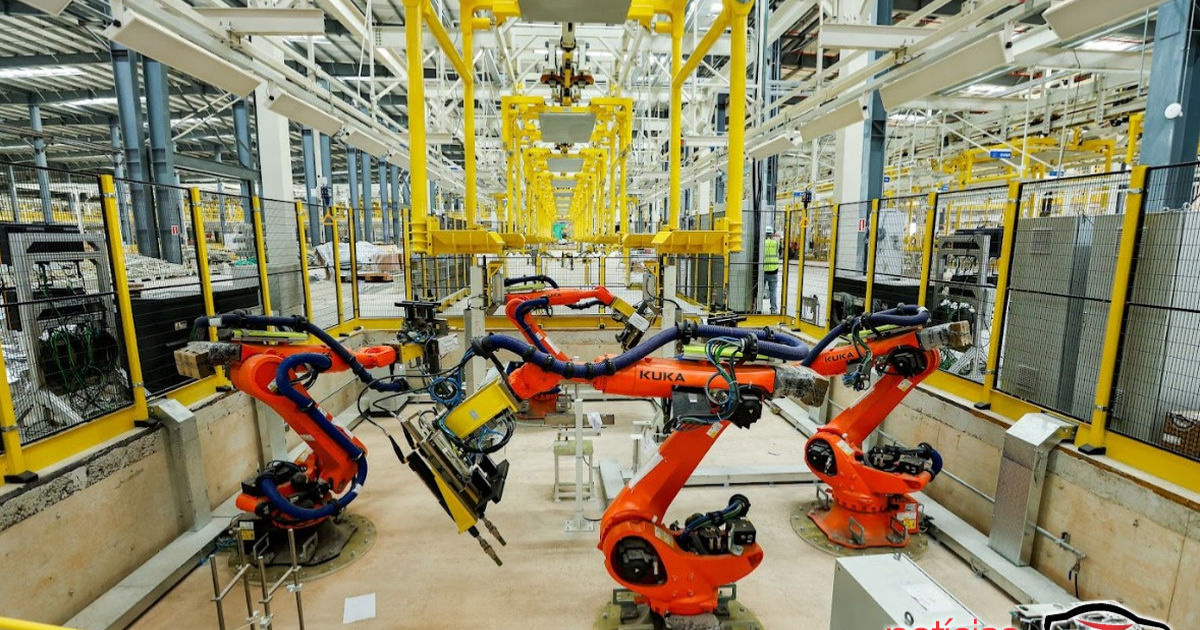
The halted batch consists of kit sets, referred to as modules by the manufacturer, sufficient to assemble 9,800 cars at the future Bahia line.
While the material is not released, the production start schedule drifts away from the planned timeline, and the factory’s preparations continue at a slower pace than expected.
According to information released by the Automotive News portal, the cargo has been held for at least 10 days.
The situation directly affects the training of the workforce, which relies on these parts for simulations and adjustments of the assembly procedures, an essential step before transitioning to production mode.
Risk of Mandatory Leaves Before the First Car
Without components to train and validate processes, BYD internally acknowledges the possibility of adopting mandatory leaves in Camaçari if clearance takes longer.
The measure, common during technical stops, would be applied preventively to organize personnel scheduling and reduce costs while the logistical restriction persists.
Officially, however, the company does not comment on this possibility.
Import Quota Is the Core of the Dispute
The sensitive point of the impasse, according to a report by Automotive News, is the volume of the batch.
The shipment reportedly exceeded the quota established by the Ministry of Development, Industry, Commerce, and Services (MDIC) for importing parts and components for SKD or CKD processes, regimes that allow vehicle assembly with imported content under exemption from import tax within defined limits.
For BYD, as well as for other qualified companies, the annual ceiling reported is US$ 463 million.
When the total imports approach the limit, every new shipment undergoes stricter scrutiny, which can extend deadlines and require adjustments in volumes.
The interpretation is that this regulatory mechanism, intended to promote progressive nationalization, ended up hindering logistics when the new plant needs the first series of modules to operate.
Meeting with the Government Seeks to Unlock the Flow
In the midst of the retention, the president of BYD in Brazil, Tyler Li, recently met with members of the MDIC to discuss the case.
The conversation aimed to align parameters and find an administrative solution that reconciles the manufacturer’s schedule with the rules of the components import program.
There are currently no confirmations of deadlines for the release of the material or details on any conditions.
Meanwhile, the company continues to piece together the industrial puzzle in Bahia: facilities, hiring teams, adjustments to suppliers, and infrastructure testing.
These steps continue but depend on customs clearance to gain traction and convert into actual production.
Impacts on the Camaçari Ramp
The delay of the first batch has a cascading effect.
The absence of modules prevents the completion of full training cycles on the final line, pushes back the pre-series phase, and compresses the so-called “production ramp,” a period in which the factory gradually increases its volume until it reaches the target.
In automotive contexts, every lost week in this initial stage typically requires shift rescheduling, target revisions, and renegotiation with logistics and components suppliers.
In the case of Bahia, the situation is even more sensitive because BYD occupies a strategic industrial complex, promising to generate jobs and restore the automotive vocation of the region.
Any deviation in the schedule reverberates not only in the operational plan of the manufacturer but also in the expectations of local suppliers, service providers, and the state government itself.
What BYD Says
Upon being contacted, BYD confirms the existence of the batch held in Salvador and states that it is seeking a solution with the competent authorities.
The company does not provide the specific reason for the impasse nor comments on deadlines. It also does not confirm the adoption of mandatory leaves.
Regarding the volume of the modules and their relation to federal quotas, the manufacturer does not detail numbers beyond what is outlined in the general sector regulation.
Regulators and Predictability
From the federal government’s side, the design of quotas and exemptions aims to balance three objectives: ensure predictability for investments, prevent import surges that discourage nationalization, and protect the competitive environment.
However, during the establishment of new factories, the clash between industrial schedules and annual limits can create bottlenecks that require risk management and case-by-case negotiation.
In practice, execution depends on documentation, value verification, and alignment of what arrives at the ports with the approved schedule.
Once these procedures are completed, the release follows the normal flow, allowing lines and teams to progress to the validation and pre-series stages.
Promises and Expectations
When announcing its entry into the former Camaçari plant, BYD stated that it would “transform” the automotive industry in the country, focusing on electrification and new technologies.
The message heightened market and regional expectations regarding timelines and volumes.
The current impasse, although administrative in nature, adds pressure for the company to deliver productivity and stability as soon as the first batch is released.
Still, the manufacturer maintains that the project is on track and that the goal is to start production as soon as possible, adhering to legal and regulatory requirements.
As Automotive News emphasized, the release of the cargo is currently the central point for the operation to progress.
In light of this scenario, the question remains: will the impasse be resolved in time to avoid mandatory leaves and maintain BYD’s production schedule in Bahia?







Kkkkkkk……vao comprando carros xing ling, como brasileiro e ****…….apoiem China…….kkkkkkk
Eu acho que dedo aí da Stellantis, GM e Toyota.
Pode ser mais GM, Volks e Toyota e menos Stellantis. A Stellantis inclusive ajudou na instalação da BYD na Bahia, pois isso incentivaria a retomada do polo de autopeças de Camaçari, o que melhoraria a logística do envio de componentes para a fábrica da Jeep em Goiana/PE, uma fábrica longe dos principais centros de consumo do Brasil e mais longe das principais cadeias de produção de autopeças no Brasil, o que se traduz por custos logísticos maiores.
Carro que não tem revenda tem que ficar pendurado na tomada um fracasso deveria ser chamado masoquismo essas marcas xing ling abandona isso nação que adora dragão começa errado termina errado e condenado feliz a nação cujo o senhor é Deus é espírito de engano (mentira)