Portuguese
  Spanish


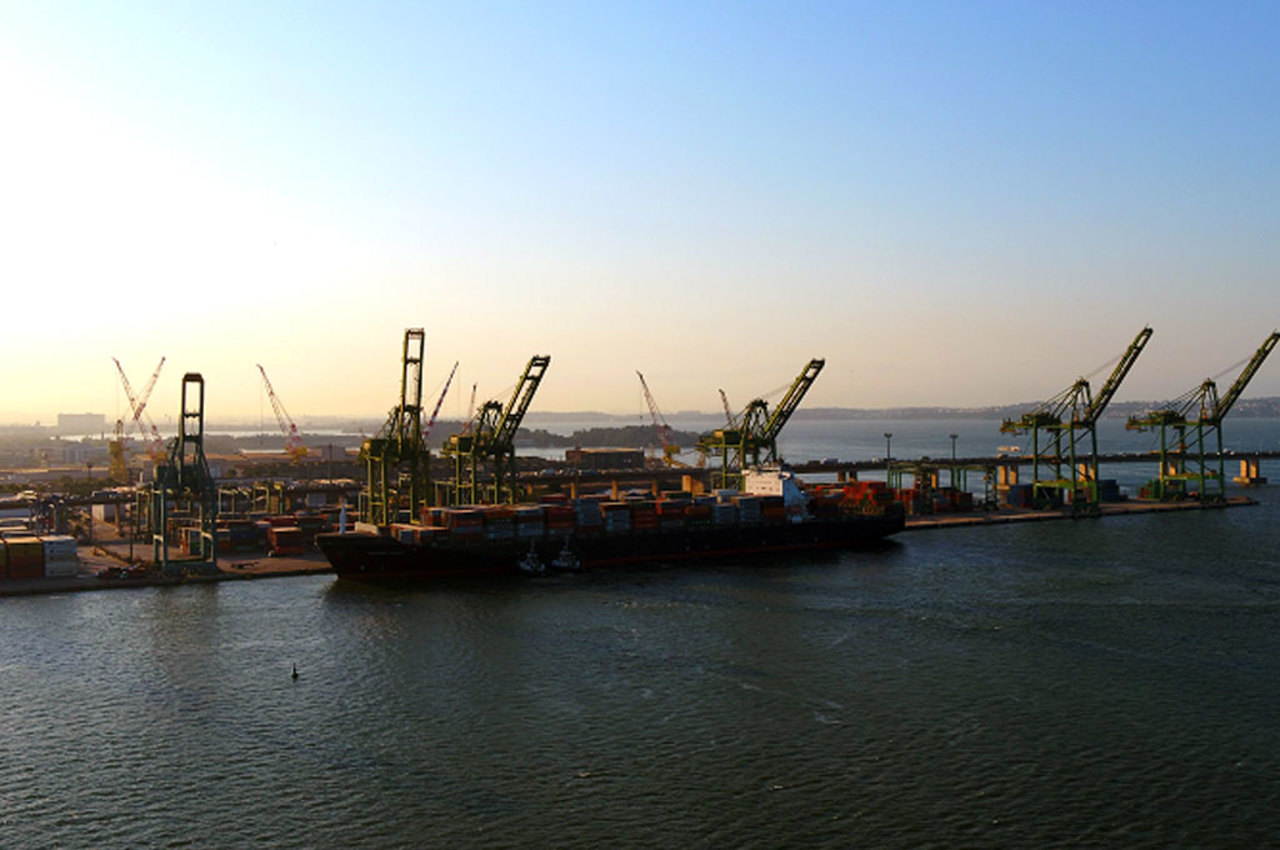

The Oldest Dock at the Port of Rio de Janeiro Will Be Modernized
The Dock Company of Rio de Janeiro (CDRJ) has started the bidding process for the expansion and modernization of the Gamboa Dock, the oldest section of the Port of Rio de Janeiro, inaugurated in 1910. The works involve investments of approximately R$ 195 million and will begin in 2021, with completion expected one year after the hiring of the winning company from the tender. The call for bids can be found on the CDRJ website.
Related Articles
The structural works will cover a section of the Gamboa Dock, extending 600 meters between berths 100 and 124, and will allow the deepening of docking berths, also enabling operations with larger ships.
According to the engineering superintendent of CDRJ, Roberto Catalão, studies already conducted confirm the technical, socioeconomic, financial, and environmental feasibility of this intervention. He stated that the modernization “will not modify the current environmental conditions and will maintain the basic features of the existing dock.”
-
They exchanged the idea of a large house for a 35 m² warehouse, spent US$ 12,000 on the structure, and created a tiny house in Colorado with space to live and work.

-
While modern cities rely on pumps and electricity, in Iran, ancient tunnels carried water through the desert using only slope and gravity.
-
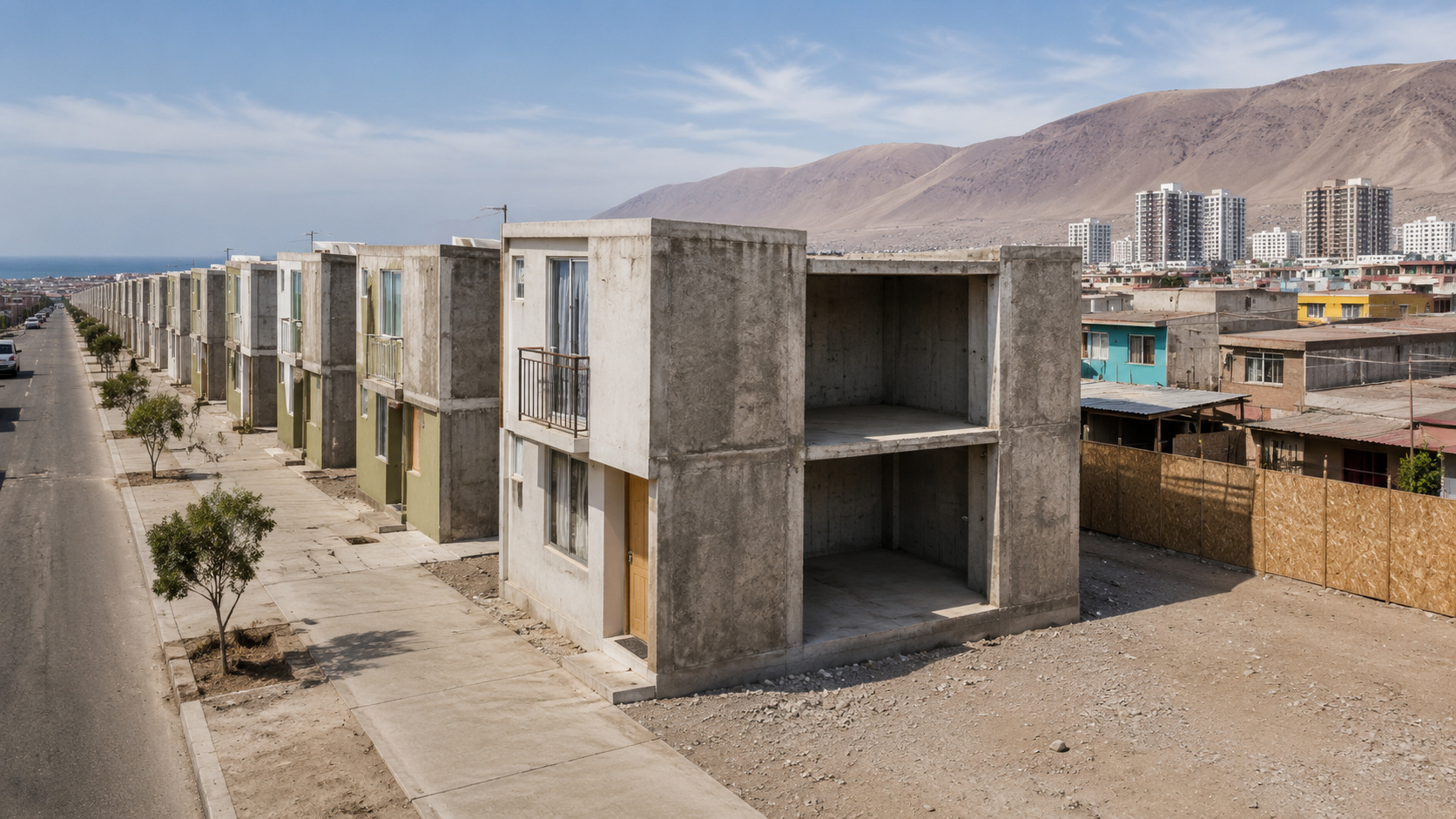
Instead of sending families far from the city, a project in Chile intentionally created incomplete houses on expensive urban land and left technical space for each to grow.
-
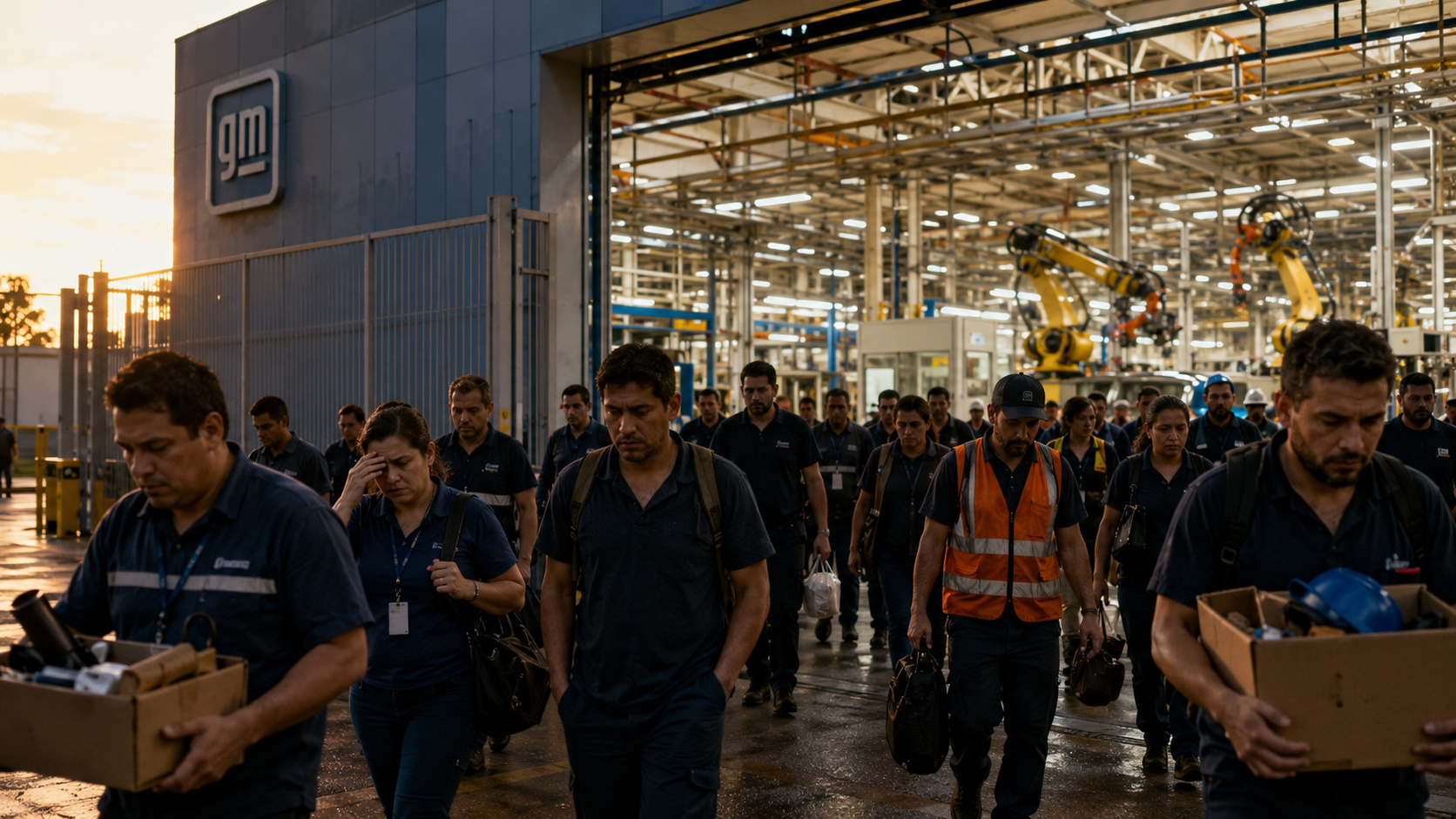
General Motors Replaces Over a Thousand Workers with 50 Cobots at Electric Vehicle Plant, UAW Union Criticizes Move Amid Industry’s Automation Push

Renovation and Modernization of the Oldest Port in Rio de Janeiro
Catalão explained that the structure of this section of the Gamboa Dock was designed and constructed with the techniques available at the time, in the early 20th century, for a draft of about nine meters. “This depth no longer meets the needs of most modern ships, which require at least 13.5 meters,” he said, adding that in order to increase this operational draft “it is necessary to modernize the original foundations and structures of the dock, which could not support dredging.”
Attractiveness at the Port of RJ
The director of Port Management at CDRJ, Mario Povia, reported that after the modernization works on the dock are completed, the company intends to carry out dredging of the section. “For the development of new businesses and improvement of the port’s attractiveness, it is imperative to increase the operational draft of this area, which will start receiving larger ships, allowing for the optimization of the use of an infrastructure that is fundamental to the Port of Rio de Janeiro.”
With the dredging, Povia stated that the Port will be able to attract new cargo and new shipping lines, “giving support to other achievements of the port cluster, such as the installation of the Vessel Traffic Management and Information System (VTMIS), the introduction of dynamic draft, and nighttime navigation in the access channel, reducing operational costs due to a significant increase in efficiency.” A port cluster consists of all activities related to the arrival of ships and cargo in the port area.
In the view of the port management superintendent of Rio de Janeiro and Niterói, Leandro Lima, this section of the Gamboa Dock has a great vocation for handling various types of general cargo and bulk, such as wheat, pig iron, zinc concentrate, support cargo for offshore activities, among others.
“With the modernization of the dock and the deepening of the waterway access, this mix of cargo will be more varied and profitable, potentially even doubling the demand,” said Lima.