Portuguese
  Spanish


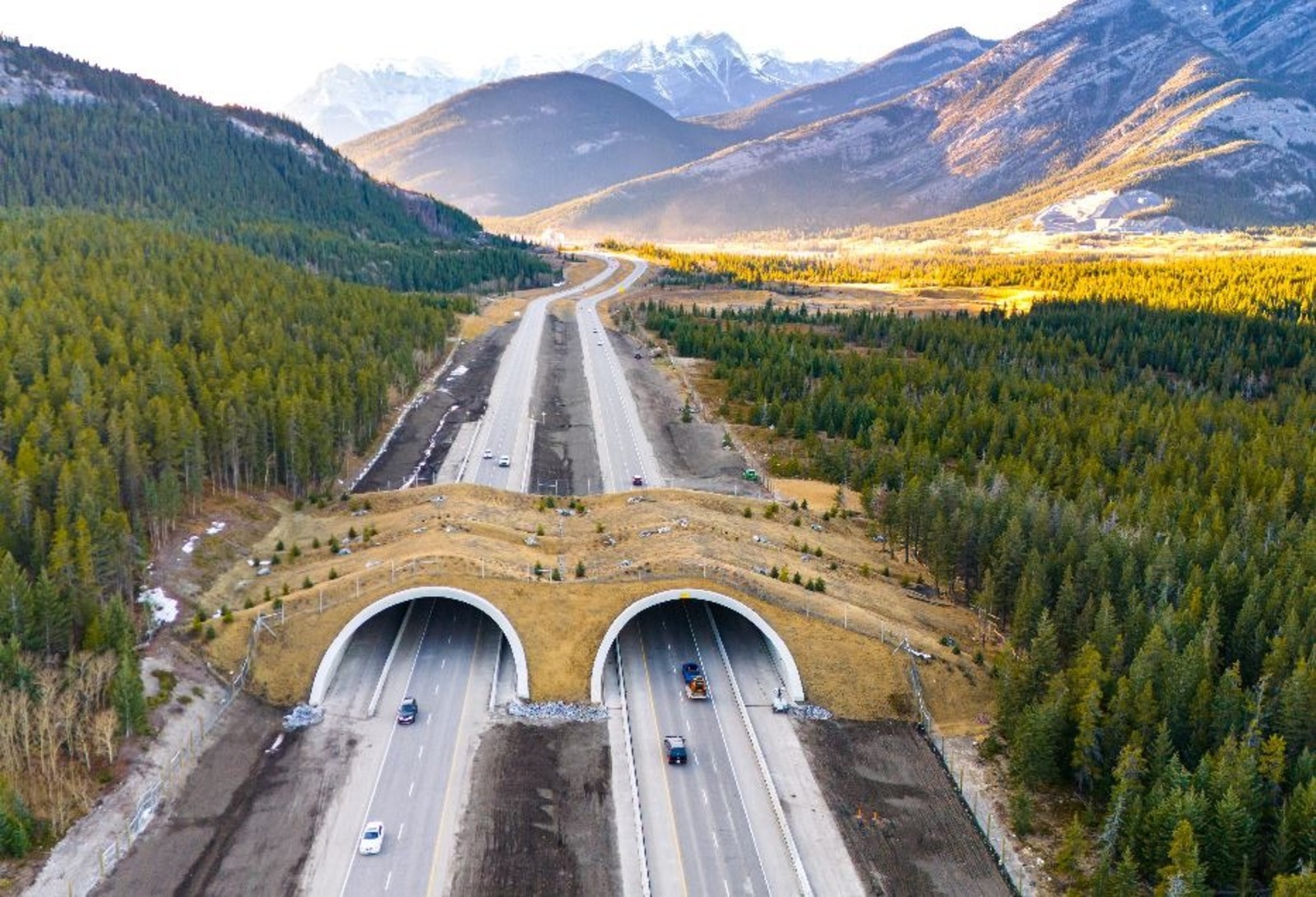


Ecological Overpasses Unite Natural Parks, Preserve Species Like Bears and Deer, and Show How Canada Combines Road Safety with Sustainable Development
The construction of green overpasses in areas cut by highways has become an important solution to protect animals as well as people. In Canada, this model of infrastructure has become a trend because it helps reduce wildlife deaths in critical areas.
In Alberta, last year, the first large ecological bridge in the region was built. The expectation is to reduce animal collisions by up to 80% for those crossing busy roads.
This initiative reinforces how engineering works can be adapted to balance urban development and preservation.
-
Alert in Santa Catarina: the Anita Garibaldi Bridge on BR-101 is completely closed in both directions due to “structural risk,” and drivers are diverted to a 20 km/h detour that promises kilometer-long queues until July 20.

-
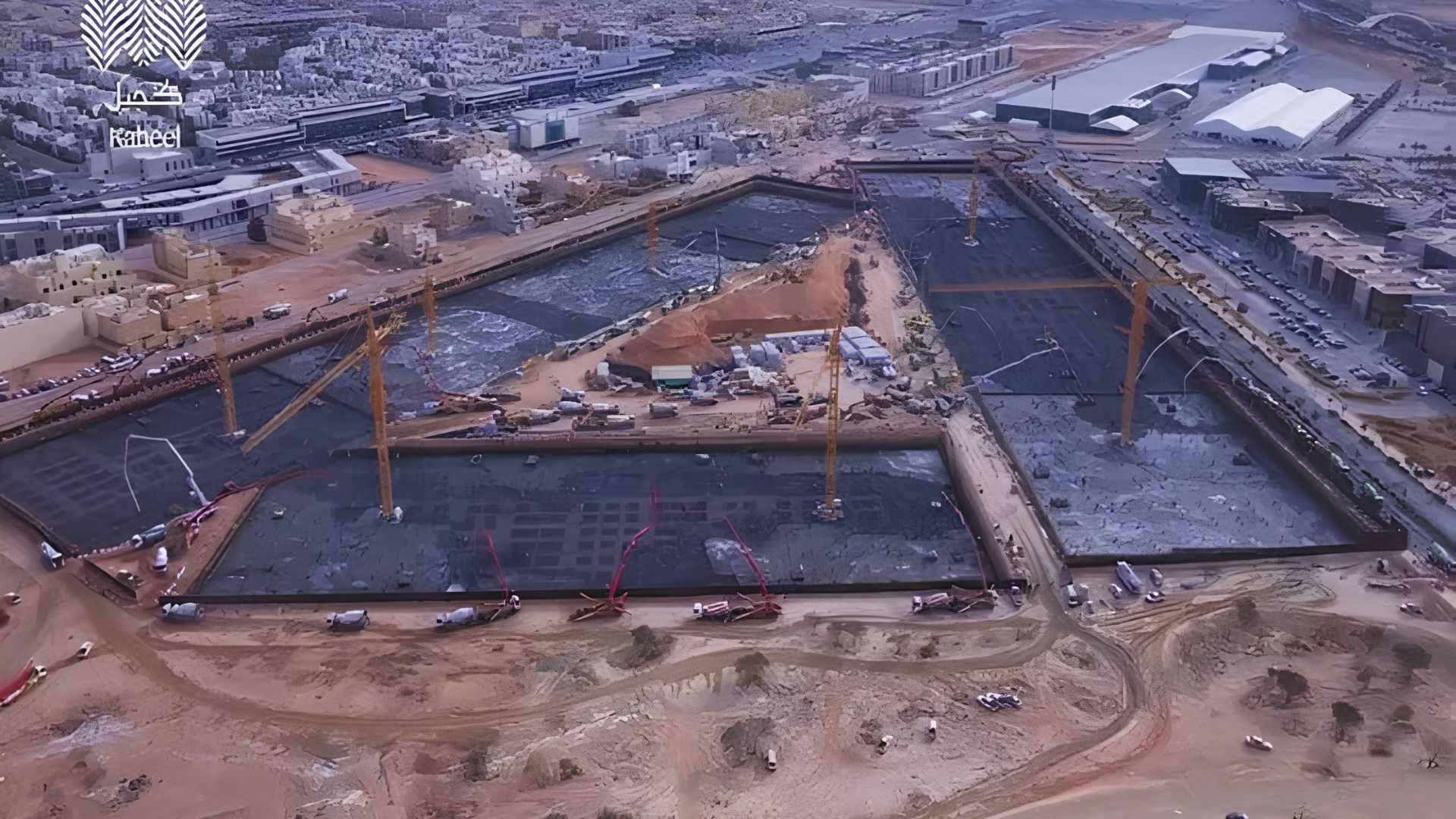
More than 6,000 trucks poured nearly 70,000 cubic meters of concrete without interruption for 72 hours to create the largest continuous concrete pour in history and erect a megaproject in Saudi Arabia.
-
28-meter, 156-ton titans traveled 20,000 km from China to the port of Santa Catarina: Portonave received 7 fully electric megacranes, part of a R$ 210 million package, to double container handling.
-
They exchanged the idea of a large house for a 35 m² warehouse, spent US$ 12,000 on the structure, and created a tiny house in Colorado with space to live and work.




Connection Between Natural Parks
The new structure connects the Bow Valley Provincial Park to the Banff National Park, considered a UNESCO World Heritage Site.
Before the construction, data from the Ontario Natural Center for Social Development indicated that an animal died every 38 minutes due to being hit by vehicles nearby.
These accidents not only affected ecological balance but also incurred huge financial costs.
The annual loss reached 144 million dollars, an amount that weighed on public coffers. Therefore, investment in sustainable solutions proved necessary.
“We take pride in having increased road safety and environmental preservation with the implementation of seven overpasses of this size in Canada,” highlighted Neil Robson, project manager at Dialog, the firm responsible for the work.
Structure Designed for Wildlife
The bridge was designed to facilitate the movement of species such as moose, deer, grizzly bears, black bears, wolves, and bighorn sheep.
Due to this diversity, the location was chosen for the intervention, which now enhances its natural function as an ecological corridor.
The project includes two arches, each crossing two lanes, in addition to landscape areas compatible with the local vegetation.
There are also fences that guide animals to the safe crossing point. The total cost of construction was 12.6 million dollars.
New Overpass in British Columbia
Another recent project was inaugurated south of Radium Hot Springs, in British Columbia. With a width of 30 meters and a structure made of steel and concrete, the bridge over Highway 93/95 was successfully completed.
The difference lies in the fencing that extends for six kilometers, with gates that direct wildlife to the overpass.
In this way, animals are not exposed to traffic. The investment was 4.18 million dollars, further demonstrating Canada’s commitment to sustainability.
Comparisons with Brazil
While Canada invests in large wildlife corridors that connect areas of international natural importance, Brazil also has examples of urban integration between green fragments.
In São Paulo, Ibirapuera Park and Aclimação Park are linked by vegetation corridors that function as ecological passages.
However, these structures face constant threats. The Sena Madureira tunnel project, for example, plans to fell trees that are part of this corridor.
The Public Prosecutor’s Office recommended a more detailed analysis precisely because it recognized the environmental relevance of the species present.
Sustainable Development on the Agenda
The Canadian experiences clearly illustrate the importance of prioritizing the balance between urban progress and environmental conservation.
Because, in addition to saving animal lives, these constructions also prevent serious accidents for drivers and reduce public costs.
Therefore, investing in green overpasses is not just a matter of wildlife protection, but also of road safety and sustainable planning.
Canada shows that it is possible to reconcile large works with respect for the environment, serving as an example for other countries.
Information is from the Veja portal.