






 Portuguese
  Spanish


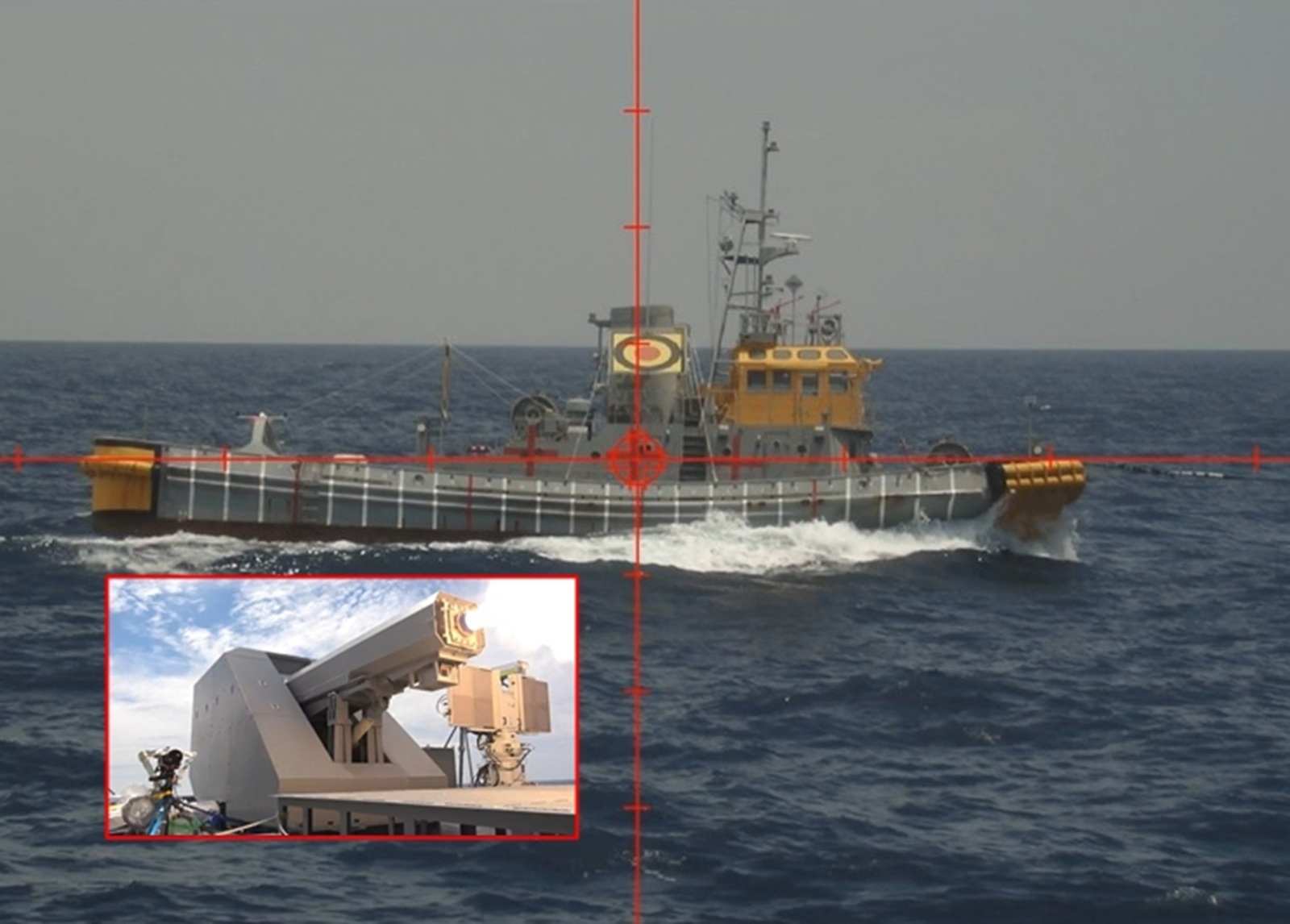
Experimental Firing of Japanese Electromagnetic Cannon Reaches Mach 7 and Marks Advance in Energy Weapons for Maritime Defense.
Official images of the electromagnetic cannon mounted on a ship were released by Japan, with firing conducted from the test ship JS Asuka on September 10.
The record was presented as a milestone in national efforts for directed energy weapons intended for the Japan Self-Defense Forces.
The Acquisition, Technology and Logistics Agency (ATLA), linked to the Ministry of Defense, reported that the test of the electromagnetic cannon onboard took place from June to early July, with support from the Maritime Self-Defense Force. This was the first demonstration of the system in action installed on an actual ship.
-
U.S. National Park Deploys Robotic Birds Near Wyoming Airport to Protect Endangered Species: Dancing and Sound-Emitting Replicas Aim to Lure Real Birds to a 100-Acre Restored Area Away from Runways After 32 Aircraft-Related Deaths

-
Russia and India Lift 320-Ton Pressure Vessel into Kudankulam Nuclear Plant Reactor, Advancing Project That Has Already Prevented 112 Million Tons of CO2 Emissions

-
Brazilian Student Wins Global Science Fair in the U.S. with Sound Wave Method to Alter Alzheimer’s-Linked Genes
-
Bosch Unveils Revolutionary 2.3 kg Hub Motor for E-Bikes with 45 Nm Torque and 400 Watts Power, Eliminating Resistance Above 25 km/h in Historic Shift for German Manufacturer


Institutional Structure and Industry
The Fleet Research and Development Command operates the Asuka as a technological demonstrator. ATLA oversees the program with industrial support from Japan Steel Works, a manufacturer of naval weapons. The electromagnetic cannon project was formally launched in 2016, with live-fire testing starting in 2022.
Initial research prioritized two obstacles: stabilization of projectiles at hypersonic speeds and mitigation of barrel wear under extreme stresses. These fronts were defined as critical factors for the maturity of the electromagnetic cannon.
External and Comparative Learnings
The U.S. Navy terminated its publicly recognized electromagnetic cannon project in 2021, after spending over US$ 500 million. According to Defense News, severe barrel degradation was recorded with fewer than 30 shots, redirecting emphasis to solid-state lasers.
Field reports indicated inconsistent performance and limited operational readiness of laser systems. The Japanese development aims to overcome these limitations through the electromagnetic cannon.
Technical Parameters and Performance
The prototype of the electromagnetic cannon on the Asuka is said to weigh approximately eight metric tons (nine US tons) and have a six-meter barrel. Open-source analysis cited by Shephard Media indicates 40-millimeter steel projectiles weighing around 320 grams (0.7 pounds).
In previous tests, the initial speed reached about 2,230 meters per second, corresponding to Mach 6.5. The stated plan aims to raise the energy load from 5 megajoules to 20 megajoules, a level associated with firing at Mach 7.
Ammunition, Effect, and Employment Cost
Unlike explosive ammunition, the electromagnetic cannon employs pure kinetic energy through inert projectiles at hypersonic speeds. This architecture has been pointed out as a cost-effective alternative for specific functions when compared to guided missiles.
Conceptual diagrams suggest multi-mission configurations, including anti-air fragmentation. The ability to store a larger quantity of ammunition and the potentially lower cost per shot have been indicated as impactful factors in logistics and sustainment.
Conditions of Use and Integration in Air Defense
Atmospheric attenuation and line-of-sight limitations affecting lasers do not apply in the same way to the electromagnetic cannon, enabling its use in any weather conditions and engaging beyond the horizon in the maritime environment.
Integration of the electromagnetic cannon with long-range interceptors is being studied to form layered air defense against hypersonic glide vehicles and swarms of drones. Conflicts in the Red Sea illustrated the economic challenges of missile-based defenses against low-cost threats.
Program Status and Outlook
ATLA reported that from June to early July, a Firing Test with Electric Cannon Aboard Ships took place with support from the Maritime Self-Defense Force.
This was indicated as the first occasion when an electric cannon mounted on a ship was successfully fired at an actual ship.
The 20 megajoule electromagnetic cannon was qualified as a significant advancement in the area of energy weaponry, historically marked by unfulfilled promises. The assessment presented supports that readiness for real use is closer in the current stage of the program.





-

-

-

-

8 people reacted to this.