






 Portuguese
  Spanish


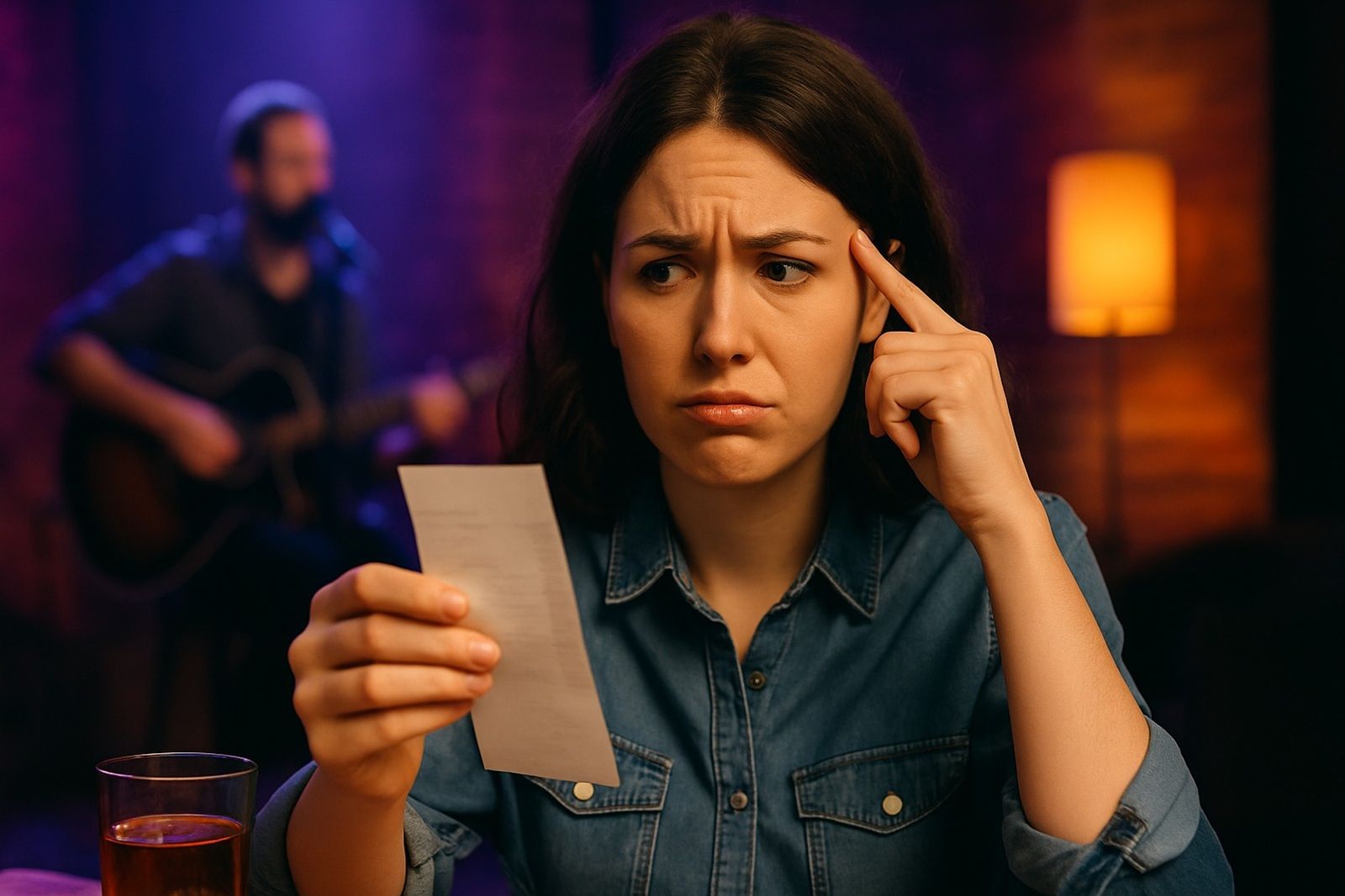

Even Frequenting Bars and Restaurants, Many People Still Don’t Know When the Cover Charge Can Be Billed. See What Rules Ensure Your Rights and When You Can Refuse Payment Without Fear
Consumers often face the cover charge upon entering bars and restaurants, and the question of whether payment is mandatory is common.
According to the Law, payment becomes mandatory only when the establishment meets specific requirements.
The first one is transparency: Information about the charge must be clearly displayed right at the entrance. This can occur through a poster, sign, notice on the menu, or any visible material before the customer enters.
-
Artesian Well Becomes Lifeline for Small Brazilian Farm: Drilling Reaches 60 Meters, Finds Marble, Navigates Rock Fissures, and Strikes Fresh Water

-
Street Cleaner in Brazil Finds Discarded Books That Helped His Wife Pass Civil Service Exam and Become Police Captain
-
July’s Night Sky to Feature Planetary Alignments, New Moon, Venus at Sunset, Buck Moon, and Two Meteor Showers

-
Fisherman Catches 18kg Catfish Near Brazil’s Itaipu Lake, Among Largest Recorded in Recent Years




Furthermore, it is not enough just to inform that there is a charge. The amount must be explicitly stated.
If the establishment states that it charges a cover, but does not show the price, the requirement does not apply. Both requirements must appear together for the consumer to be obliged to pay.
What Can and Can’t Be Charged
The cover charge refers exclusively to live performances. Therefore, the venue can only charge when there is an artist performing at that moment.
A big screen showing a game, background music coming from a computer, USB drive, or playback does not justify the charge. Even though some places try to charge in such situations, the practice has no backing, as there is no live artistic service being provided.
According to the understanding presented, the cover is justified because the artist must receive something for the performance, usually through a contract with the establishment.
In practice, these contracts often happen verbally, especially in small venues, but the central point remains: there is only valid charging when there is a live performance and prior notice.
Lack of Notice Eliminates the Obligation
If the establishment does not clearly inform that there is a charge, or does not show the amount, the consumer is not obliged to pay.
In this situation, payment becomes optional. The explanation is based on the right to clear information, as provided in Article 6, item 3 of the Consumer Protection Code. If there was no notice, there is no obligation to pay.
However, the recommendation is always to check in advance whether there will be a cover and what the amount will be, to avoid discomfort at the time of the bill.
Attention to the 10 Percent
An additional tip alerts to a common practice: some establishments include the service charge on the cover amount. This requires attention, as not all consumers notice this additional charge. The advice is always to check the receipt and see if the service charge is being applied to the cover as well.
With this information, consumers can better understand when the charge is valid and how to act if the requirements are not met.


