






 Portuguese
  Spanish


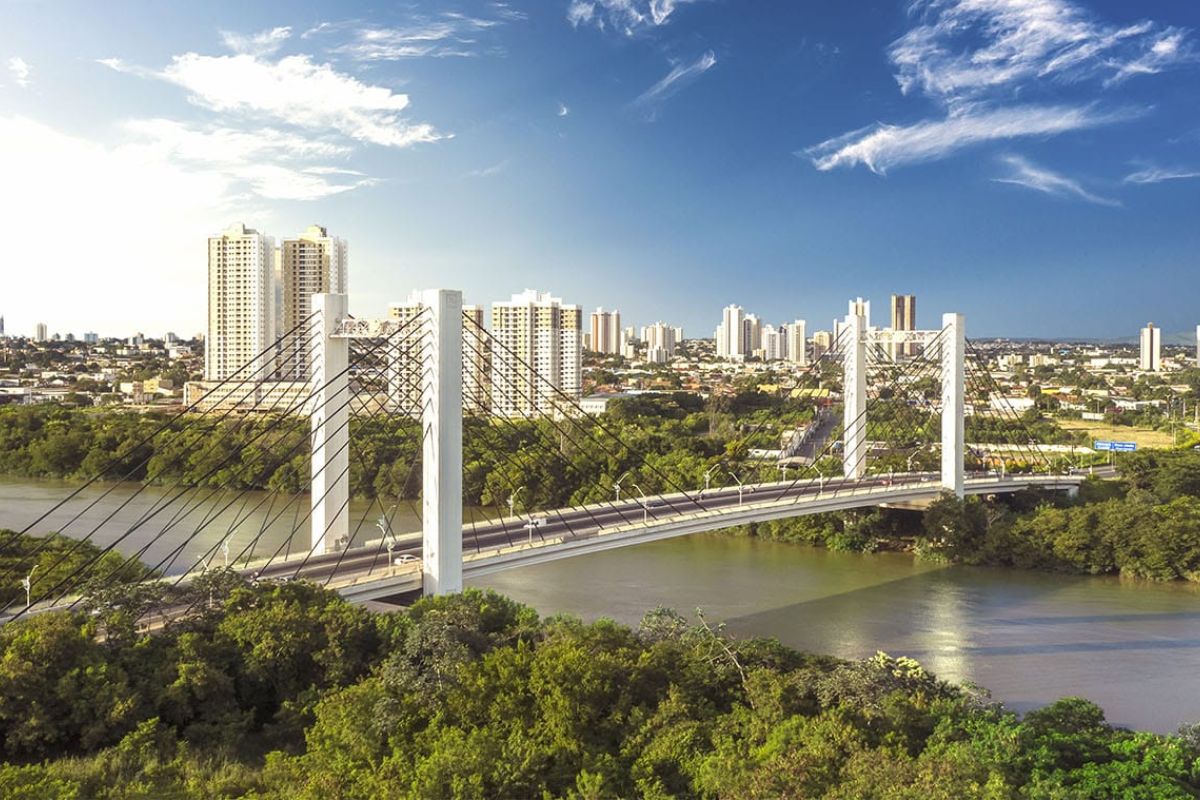


The Midwest Capital Is Changing the Course of the National Economy. Cuiabá Solidifies Its Position as the Midwest Capital that Connects Agribusiness, Logistics, and Services, Transforming Itself into a Key Piece for Brazil’s Economic Growth.
The Midwest capital has been gaining prominence on the national scene as a driver of economic development. Located in the geographical heart of Brazil, Cuiabá has become a strategic hub for agribusiness and logistics, strengthening the region’s role in the integration of productive chains and the flow of agricultural commodities. Additionally, sectors such as services, tourism, and technology are enhancing its relevance and projecting an even more promising future.
With privileged access to highways and proximity to agricultural borders, Cuiabá occupies a central position in the flow of soy, corn, and other products to the main exporting ports. This robust infrastructure, combined with urban growth and new investments, transforms the city into a logistics hub of national and international reach.
Why Cuiabá Is Strategic for Agribusiness
The success of the Midwest capital is directly linked to agribusiness. With modernized highways connecting production areas to export ports, Cuiabá has become one of the main transit points for Brazilian agricultural production.
-
Brazil’s 2026 Tax Refund: Record 9.58 Million Filers in Largest Payout Ever, But a Key Detail on Priority Recipients Draws Nationwide Attention

-
Itaú Alters Hybrid Work Model, Increasing Office Days from 2028, Prompting Employees to Adjust to New Routine
-
Facing Labor Shortage, Japan Plans to Invest $34 Million to Attract Foreign Workers in Construction, Healthcare, Industry, and Commerce

-
Brazilian City Makes Remarkable Leap, Becomes 4th Wealthiest in the Country with GDP of R$ 134.1 Billion




Soy, corn, and beef are among the main products that pass through the city en route to the external market. In addition to the strategic location, the adoption of technologies in the field and the attraction of global investments boost competitiveness, consolidating Cuiabá as an essential hub for agribusiness.
Expansion of the Services Sector in Cuiabá
Beyond agriculture, the growth of the Midwest capital is also reflected in the services area. The increasing demand in sectors such as health, education, and technology has expanded the supply of skilled jobs, strengthening urban development and the quality of life for the population.
Another highlight is the business tourism, especially aimed at events related to agribusiness. Fairs, corporate meetings, and conventions attract investors, stimulating commerce and further fostering the region’s economic cycle.
Cuiabá as a National Logistics Hub
The strength of Cuiabá is not limited to agriculture. Its central location and investments in transportation make the city one of the largest logistics hubs in Brazil.
- Strategic connection with the North, South, East, and West of the country
- Modernized highways and expansion of the airport, which strengthen cargo transport
- Proximity to international borders, facilitating exports and imports
- Logistics integration that connects agricultural production and industry to domestic and foreign consumption
These factors make the Midwest capital indispensable for Brazil’s competitiveness in global markets.
Investment Opportunities in the Midwest Capital
The urban expansion and economic diversification make Cuiabá fertile ground for investors. Projects related to renewable energy, sustainable civil construction, and technological innovation are on the rise. Additionally, the city’s real estate market is growing rapidly, driven by the demand for new housing and infrastructure.
The presence of tax incentives and business attraction policies further strengthens the region’s potential. With this, Cuiabá consolidates itself as one of the most promising hubs in the country for long-term investments.
The progress of the Midwest capital shows that Cuiabá is not just a regional center, but a strategic piece in the national development. Its prominence in agribusiness, its logistical importance, and the diversification of services place the city in a position of prominence in the Brazilian economy.
And you, do you believe that Cuiabá can become the economic capital of the interior of the country in the coming years? Share your opinion in the comments — your perspective can enrich the debate about the future of the Midwest.








