





 Portuguese
  English
  Spanish
 3 min of reading
  0 comments


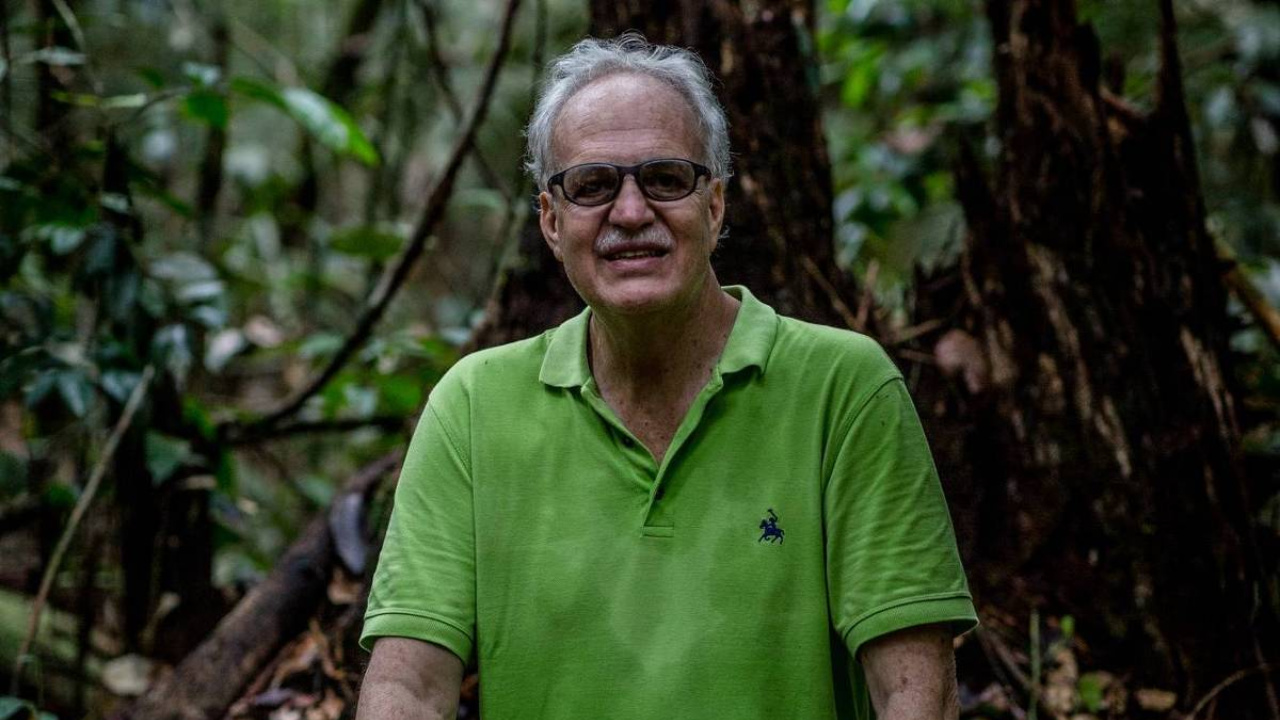
In an Interview on the Roda Viva Program, Climatologist Carlos Nobre Stated That Exploring Oil in the Equatorial Margin of Amapá Is a Climate Error. The Researcher Advocates for the End of Fossil Fuel Exploration to Curb Global Warming.
The renowned climatologist Carlos Nobre, senior researcher at the Institute of Advanced Studies (IEA) of the University of São Paulo (USP), issued a strong warning about the climate risks associated with oil exploration in the Equatorial Margin of Amapá. The statement was made during his participation in the Roda Viva program, aired last Monday (13) on TV Cultura.
According to the expert, insisting on opening new fronts for oil exploration makes no sense from a climate perspective. He emphasized that the world urgently needs to reduce the use of fossil fuels if it wants to contain the rise in average global temperature.
Reducing Exploration Is Essential to Stabilize the Planet, Says Climatologist
Carlos Nobre highlighted that exploring new oil reserves contradicts international efforts to mitigate global warming. According to him, even if only the existing wells and mines continue to be explored, the environmental impact would be catastrophic.
-
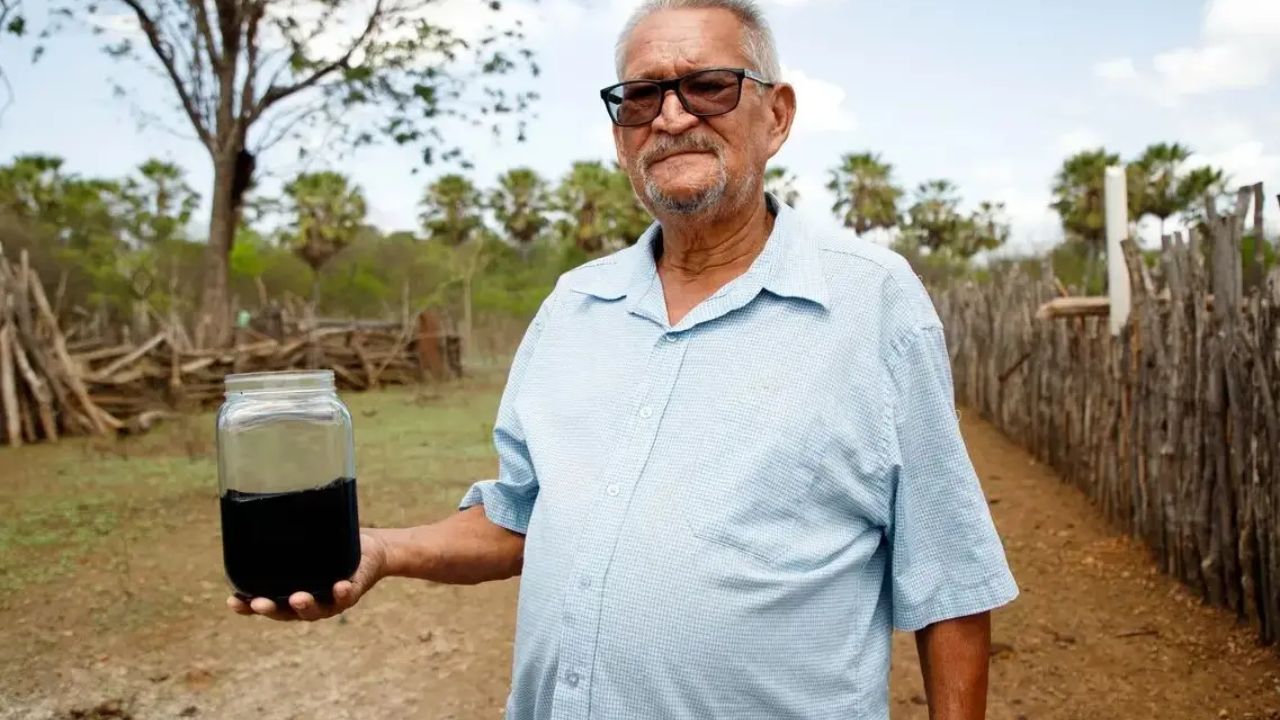
Farmer drills well in Ceará in search of water, accidentally finds crude oil and sees million-dollar discovery hindered by a rule that completely changes the future of the site.

-
Family finds oil on a 49-hectare site in Ceará, but exploration has no timeline or guarantee of happening

-
When drilling an artesian well, a farmer wanted water but found oil: ANP confirms that the dark liquid found by a farmer on a site in Ceará is crude oil.

-
European stocks rise with oil drop after Trump’s remarks on Iran as investors monitor global tension



“If we explore all the coal mines, oil wells, and natural gas that exist today, I’m not talking about any new ones, we will reach 2050 still emitting 9 or 10 billion tons of carbon dioxide. It will be impossible to maintain the planet’s temperature,” warned the climatologist.
The researcher added that the planet is already facing increasingly frequent extreme climate events, such as prolonged droughts, floods, and record heat waves. For him, the global priority must be to stop exploring new reserves and invest in clean energy sources, such as solar and wind.


“To maintain the planet’s temperature, we need to stop exploring what is already being exploited worldwide,” he reinforced.
Government and Petrobras Insist on Licensing in the Equatorial Margin
Despite warnings from scientists and environmentalists, the federal government and Petrobras continue to seek authorization from Ibama to carry out oil prospecting in the Equatorial Margin, one of the new energy frontiers of the country. The initiative has been criticized by climate specialists and environmental organizations, who warn about the risks of spills and irreversible damage to the marine ecosystem of the Amazon region.
The area in question is considered to have high environmental sensitivity, housing threatened species and unique ecosystems that could be affected by potential accidents. For Nobre, in addition to the local risk, the project represents a setback in the policies to combat the climate crisis.
The Roda Viva episode featured a panel composed of Laís Duarte (TV Cultura), Tayguara Ribeiro (Folha de S.Paulo), Juliana Domingos de Lima (Estadão), Cristiane Prizibisczki (site O Eco), and Giovana Girardi (Agência Pública). The group discussed with the climatologist the role of Brazil in the global energy transition and the challenges of reconciling economic growth with environmental responsibility.
During the program, Carlos Nobre also emphasized the importance of the country investing in green technologies and becoming a reference in sustainable energy production. He argued that Brazil has the potential to be a global powerhouse in renewable energy, as long as it progressively abandons its dependence on fossil fuels.






-

3 people reacted to this.