






 Portuguese
  Spanish


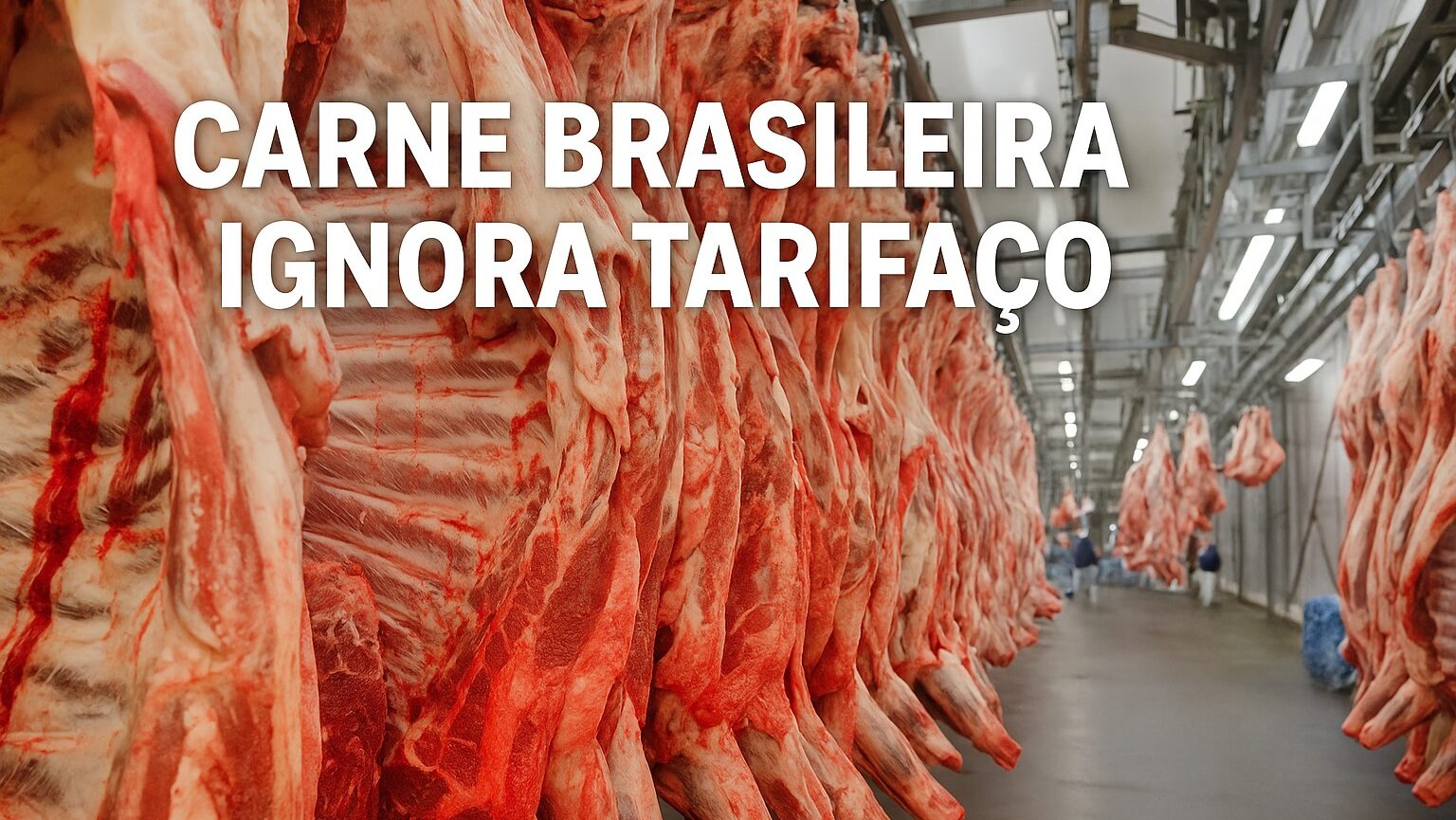


Brazilian Beef Exports Soar in August, Expected to Surpass Historical Record and Continue Growth Even After 50% Tariff Imposed by the United States
Brazilian beef exports are expected to reach a new record in August, despite the impact of the U.S. tariff. Until July, the North American country was the second largest buyer of Brazilian protein, only behind China.
Preliminary data from the Secretariat of Foreign Trade (Secex) indicates a 35% increase in the daily average of shipments by the fourth week of the month. So far, Brazil has exported 212,9 thousand tons.
“We will definitely set a record for August,” says Lygia Pimentel, CEO of the consulting firm Agrifatto. According to her, the forecast is for 265 thousand tons of beef to be shipped, surpassing the 217 thousand tons recorded in August 2024.
-
Brazil’s 2026 Tax Refund: Record 9.58 Million Filers in Largest Payout Ever, But a Key Detail on Priority Recipients Draws Nationwide Attention

-
Itaú Alters Hybrid Work Model, Increasing Office Days from 2028, Prompting Employees to Adjust to New Routine
-
Facing Labor Shortage, Japan Plans to Invest $34 Million to Attract Foreign Workers in Construction, Healthcare, Industry, and Commerce

-
Brazilian City Makes Remarkable Leap, Becomes 4th Wealthiest in the Country with GDP of R$ 134.1 Billion




Revenue Growth
The value of exports is also impressive because the price per ton increased by 26% compared to the same period last year. This led to a 70% growth in companies’ revenue from foreign sales.
By the fourth week of August, exports totaled US$ 1.19 billion, placing beef among the top five products in Brazil’s export agenda, only behind oil, soy, and iron ore.
Clients in Reorganization
Furthermore, there is still no clarity on which countries are replacing the United States, which used to buy an average of 28.5 thousand tons per month.
“We imagine that China has accelerated imports and perhaps Mexico as well. But we need to wait for the month to close to be sure,” explains Pimentel.
Therefore, with the 50% tariff imposed by the U.S. since July, it is likely that the country is turning to other suppliers, such as Australia.
In this movement, China and other buyers may have increased their purchases from Brazil.
Sector Resilience
Despite the challenges, the sector shows strength. “It is a strong demonstration of the sector’s resilience,” concludes Pimentel.
With information from Infomoney.








