Portuguese
  Spanish


Engineers Are Modeling The Challenges Of The Electric Grid To Enable Electric Vehicles To Be Charged On The Go. Is This Revolutionary Technology Viable?
The growing adoption of electric vehicles is transforming urban mobility, driven by the search for sustainable solutions and the reduction of carbon emissions. However, one of the main challenges faced by drivers is the “range anxiety” — the fear of running out of battery before finding a charging point.
To mitigate this issue, engineers are developing roads equipped with dynamic charging technology, allowing vehicles to be recharged while in motion.
This promising solution, known as Dynamic Wireless Power Transfer (DWPT), promises to revolutionize the sector but presents significant challenges for the electricity grid’s demand.
-
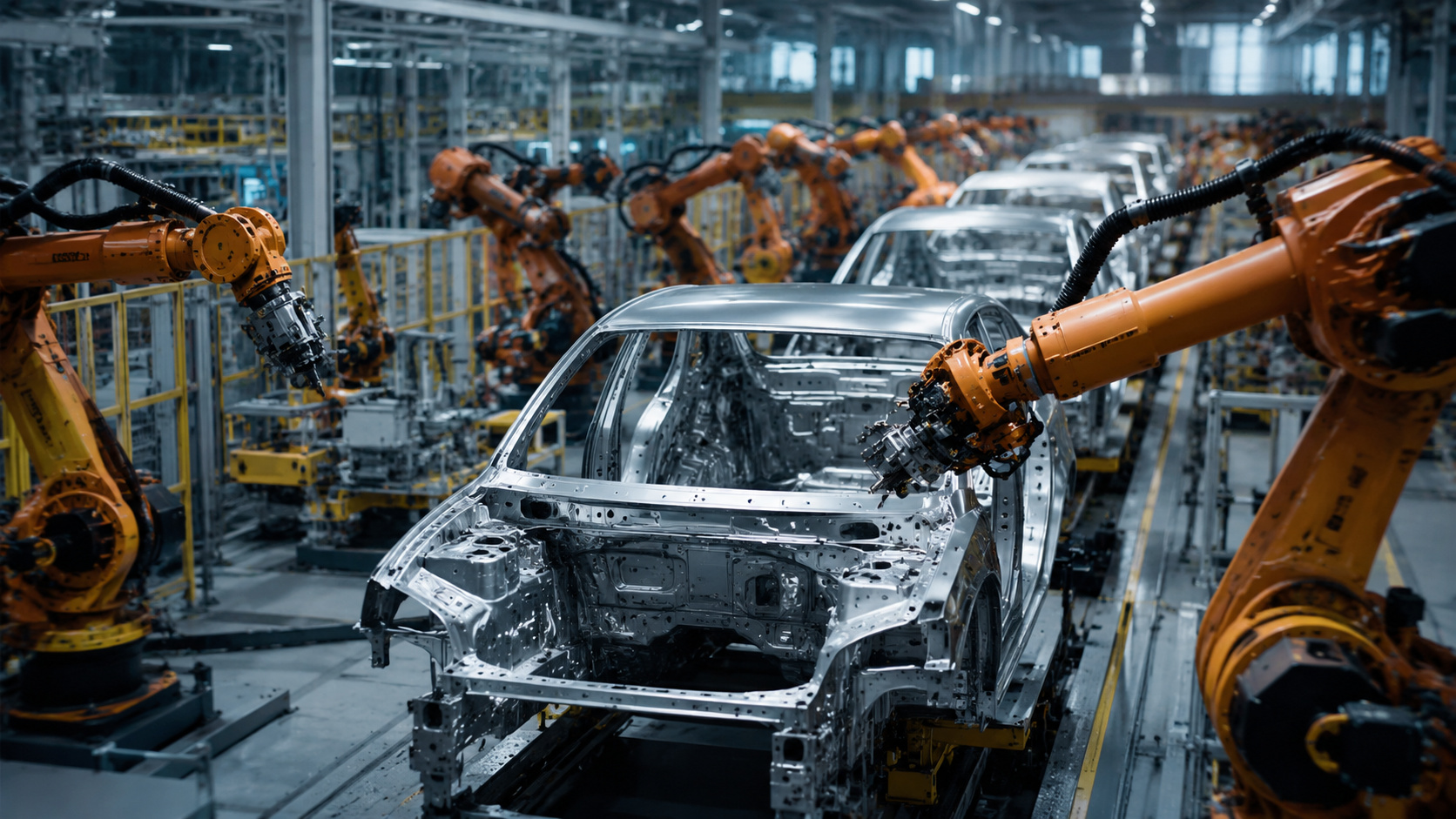
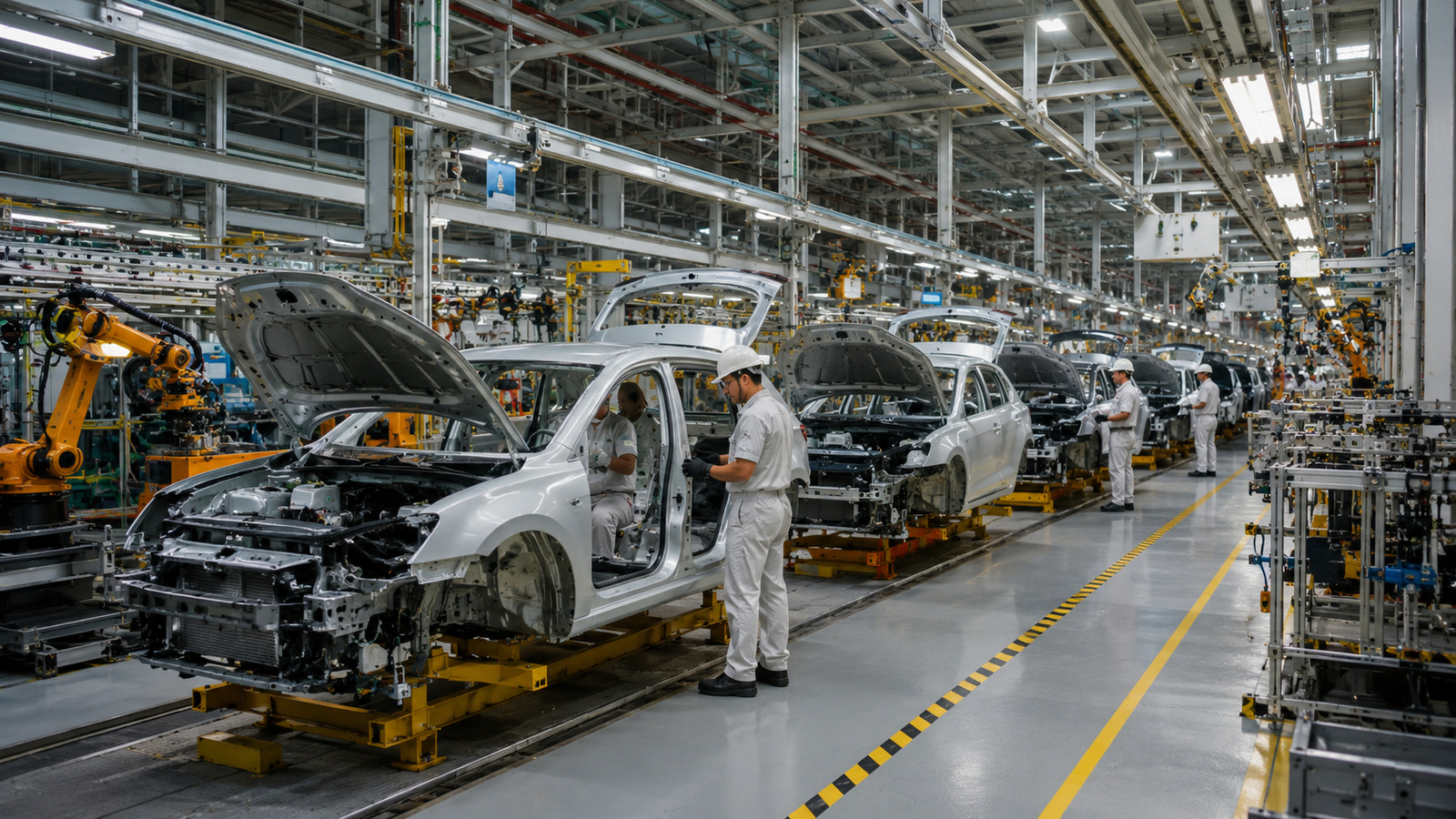
Chinese Giant Invests $1.3 Billion in Brazil to Produce 50,000 Cars Annually, Create Jobs, Develop Local Suppliers, and Manufacture Electric, Hybrid, and Combustion Models by 2027

-
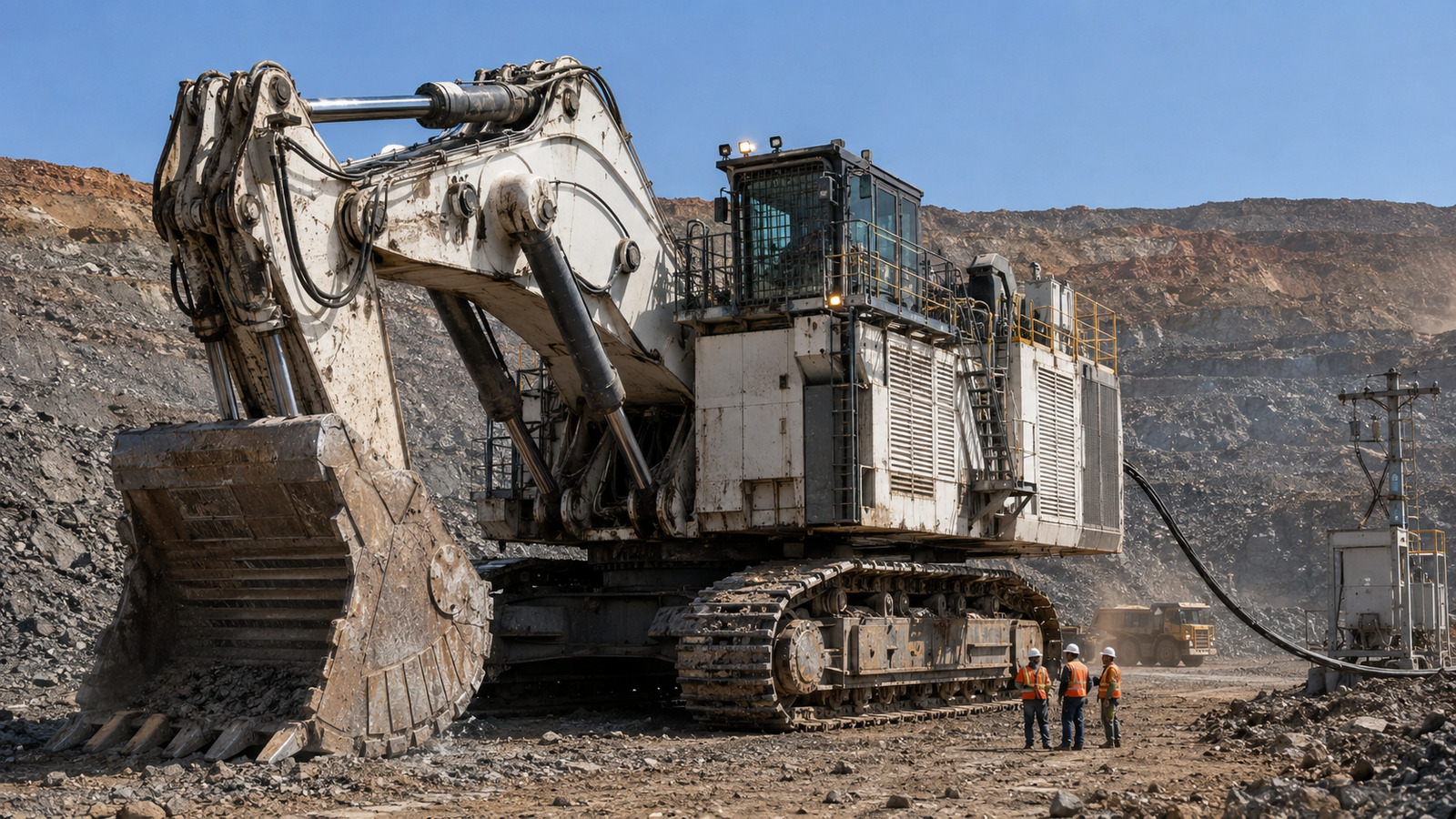
Unprecedented achievement in India: a colossal 650-ton, nearly 3,000 hp excavator is transformed into 100% electric, marking a new phase in heavy mining.
-
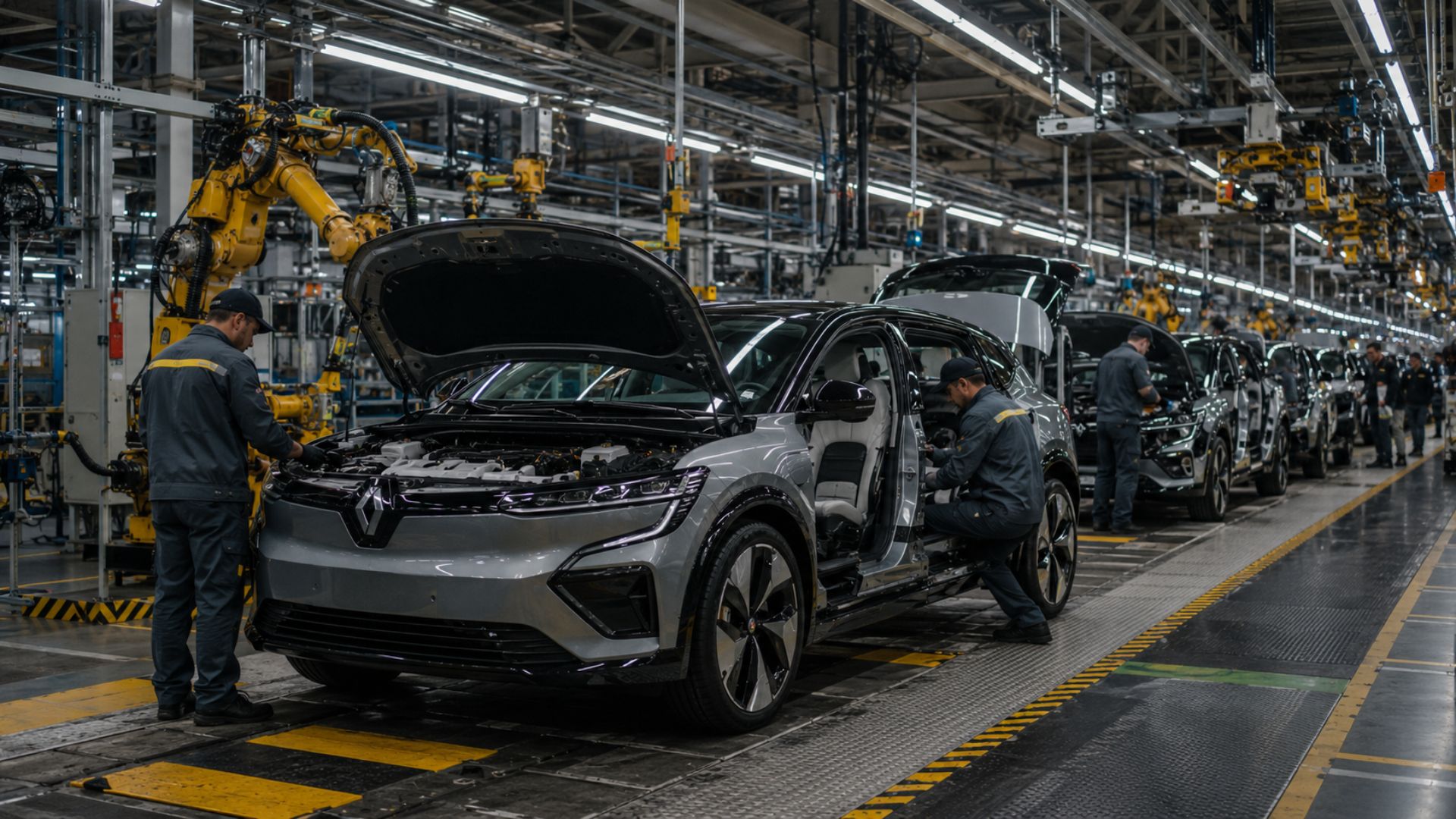
Frightened by the speed of Chinese manufacturers, Renault decided to mimic the pace, made the new electric Twingo in just 21 months, wants to repeat the feat with 36 models by 2030, and along the way, will cut up to 2,400 engineering positions.

-
Chinese battery from Dongfeng promises to exceed 1,000 km without relying on liquid electrolyte, and the detail behind the technology could change the electric car competition.

What Is Dynamic Wireless Power Transfer (DWPT)?
The DWPT system consists of incorporating transmitting coils into the surfaces of roadways, which wirelessly transfer energy to EVs equipped with compatible receivers.
This method would allow for longer trips without the need for frequent stops to recharge, reducing dependence on fixed stations and improving the efficiency of electric transport.
Currently, most EVs rely on charging at public stations or residential outlets. However, home chargers are relatively slow and increase residential electricity demand, while public infrastructure is still limited in many areas.
The implementation of the DWPT could address these issues, but its feasibility depends on a detailed understanding of the impacts on the electricity grid.
Challenges For Energy Infrastructure
The primary concern regarding DWPT is the unpredictable increase in electricity demand. As vehicles move continuously and in varying volumes, it is necessary to forecast how consumption will be distributed along roadways and how the grid can meet this demand without overloading.
A study led by the University of Texas at El Paso, published in IEEE Access, proposes a new mathematical method for modeling charging demand: modified Toeplitz convolution (mCONV).
This approach allows for the analysis of different scenarios, considering variables such as traffic flow, types of vehicles, and distance traveled, providing a basis for strategic decisions regarding the expansion of charging infrastructure.
Impacts On The Adoption Of Electric Vehicles
With global EV sales projected to reach 7.2 million by 2030, the deployment of DWPT roadways could further accelerate this transition.
The elimination of “range anxiety” would increase consumer confidence, boosting sales and encouraging governments and companies to invest in more efficient infrastructure.
However, it is essential to ensure that the implementation of DWPT does not compromise the stability of the electricity grid.
Thus, utility companies and government authorities need to carefully assess the impacts and develop solutions to balance electricity supply and demand.
The Future Of Charging On The Go
The next steps for the adoption of DWPT involve large-scale testing and collaboration among engineers, regulators, and industry companies.
In the long term, advancements in wireless transmission technology and battery efficiency may make this solution even more viable, helping to shape a future where EVs can operate in a more independent and sustainable manner.
With proper planning and investments in research, dynamic charging could redefine the electric vehicle market, enabling more efficient and accessible transport for all.
If you want to keep up with these innovations and understand how they impact the future of mobility, continue exploring studies and solutions that are shaping this constantly evolving sector.
With information from ieeexplore.