






 Portuguese
  Spanish


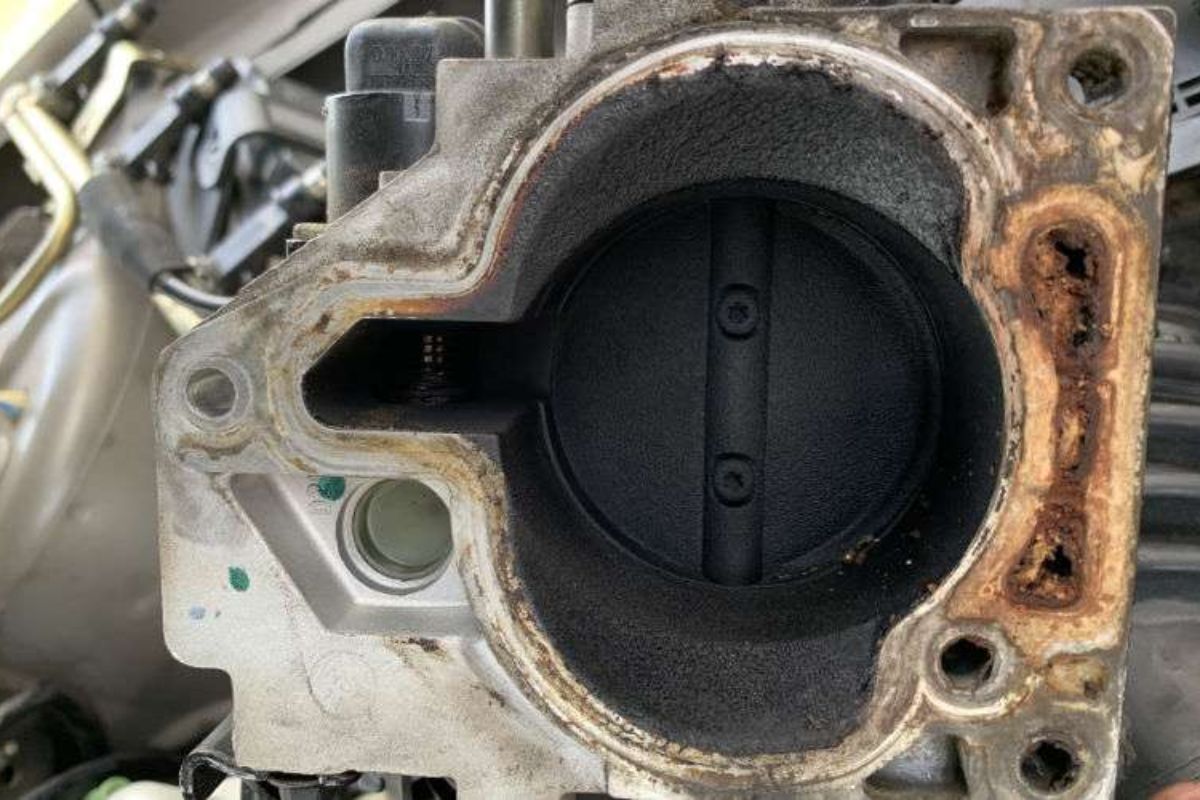


Cleaning the Throttle Body (TBI) is Crucial to Save Fuel and Ensure Good Engine Performance. Discover the Step-by-Step Guide on How to Clean TBI Yourself and Avoid Problems.
Many drivers don’t know, but understanding how to clean TBI is an important step in preventive maintenance, especially for cars with direct injection. An expert explains how you can perform this procedure at home, correctly and safely.
Is your car consuming too much fuel or showing failures and fluctuations at idle? One of the culprits could be dirt in the throttle body, also known as TBI. The good news is that decarbonizing this component can resolve these issues and improve your vehicle’s performance.
Why is Cleaning the TBI So Important for Your Car?
The TBI, or Throttle Body, is the component that controls the airflow into the engine. Over time, it’s common for varnish, carbon deposits, and sludge to accumulate in this area and throughout the intake system (manifold, ducts, valves, and even in the piston head). This dirt disrupts the airflow, potentially causing the famous idle fluctuations, failures, and increased fuel consumption.
-
2027 Toyota Corolla Cross Unveiled: New Design, Enhanced Fuel Efficiency, Reduced Maintenance Costs, Advanced Technology, Connected Services, and Up to 10-Year Warranty

-
Fiat Cronos Precision 2018: Affordable Sedan with Spacious Trunk and Reliable Maintenance
-
Volkswagen to Cut Production by 1 Million Cars by 2030, Reducing Jobs and Platforms, Focusing on More Profitable Models

-
Toyota Launches First 100% Electric Car in Brazil: bZ4X with 343 HP, All-Wheel Drive, 361 km Range, Priced at $419,990 BRL, Limited to 99 Units




The main cause of this buildup is the phenomenon of “blow-by”: combustion gases that escape through the piston rings and, along with oil vapor, return to the intake system through the engine breather, generating carbonization.
Preparing for Cleaning

Before starting the how to clean TBI process, some preparations are essential. First, the car engine must be at the ideal operating temperature. Start the vehicle and let it warm up until the radiator fan kicks in. This is the perfect moment to begin.
You will need a specific decarbonizing product for cleaning the intake system. It’s crucial to choose a quality product that does not damage the fuel injection system sensors. If your car has an electronic throttle (without a cable), you will also need someone else’s help to keep the engine revved during the procedure.
Step-by-Step Guide on How to Clean TBI at Home Safely and Effectively
With the engine warmed up, the first practical step of how to clean TBI is to disconnect the hose or duct that connects the air filter to the throttle body for direct access.
Next, with the car running and with the help of another person to keep the engine RPM between 2,000 and 3,000, spray the decarbonizing product in short bursts directly into the TBI. Generally, one bottle of the product is sufficient for a complete cleaning. This process will clean not only the TBI but also the intake manifold, cylinder head ducts, valves, and even the piston head.
After applying all the product, keep the car at idle for about 5 minutes. Then, rev the engine about 10 times, reaching RPMs close to 3,000. To optimize the cleaning, it is recommended to drive the car for about 10 minutes on a road, maintaining a similar RPM.
Important Observations During and After Learning How to Clean TBI


During and immediately after the how to clean TBI process, it is completely normal to observe white smoke coming from the exhaust. This happens because all the dirt and removed deposits are burned along with the air/fuel mixture.
To prevent excessive dirt buildup, it is recommended to perform this type of cleaning every 10,000 kilometers. This procedure is beneficial for all engines, whether they are direct or indirect injection, as both systems are subject to the formation of deposits in the intake system.







