






 Portuguese
  Spanish


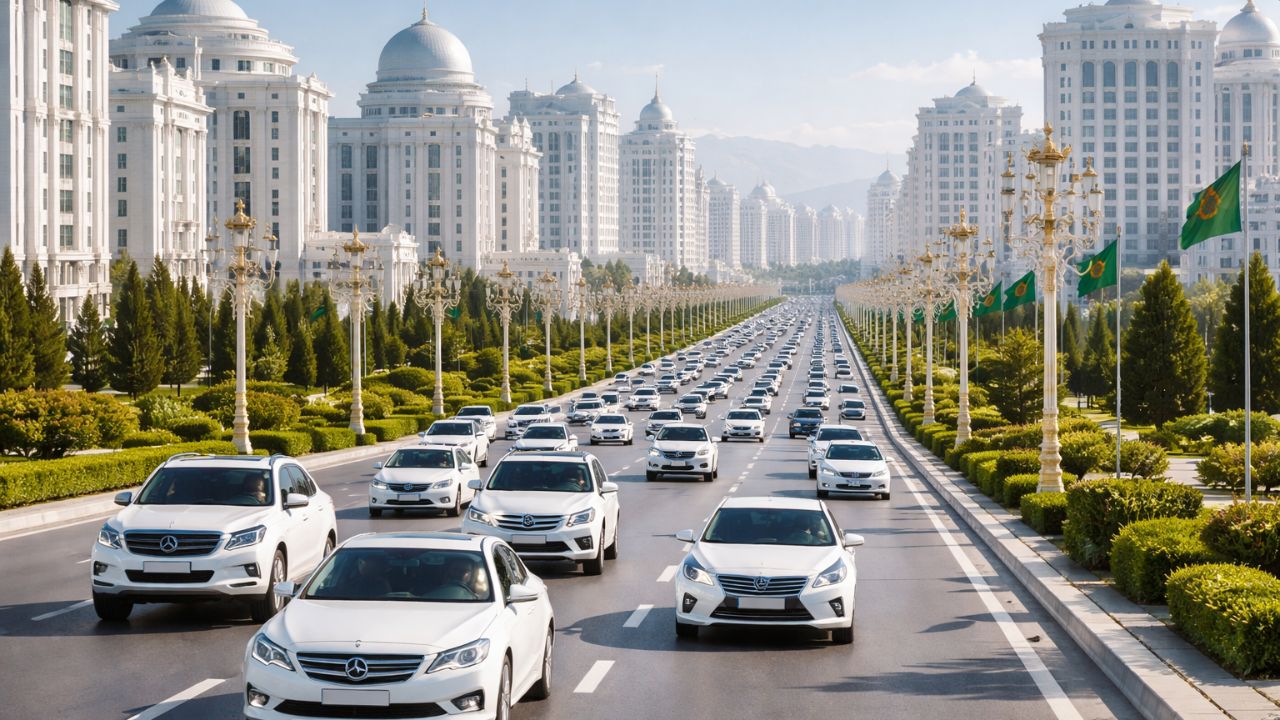


Understand Why Ashgabat, In Turkmenistan, Only Allows White Cars and How This Curious Law Changed the Landscape of the Capital.
Those who arrive in Ashgabat, the capital of Turkmenistan, quickly notice that something deviates completely from the pattern observed in other major cities around the world. In traffic, there is no variety of colors, flashy styles, or dark tones: practically all cars are white.
The scene, curious at first glance, is the result of a strict law in effect since the middle of the last decade.
Since 2015, municipal regulations have restricted the circulation of vehicles of certain colors in the capital.
-
From Humble Beginnings to Industry Leader: The 30-Year-Old Scrap Dealer Transforming Brazil’s $1.8 Billion Metal Recycling Sector

-
From Hotel Porter to CEO: Brazilian Entrepreneur Leads Travel Agency Serving Major Brands and Generating $270 Million in Revenue

-
From Selling Cleaning Products in Vans to Over 300 Franchises: Entrepreneur Targets $30 Million by Expanding into Professional Cleaning Services and Laundries

-
China Constructs 5.1 km Undersea Highway in Dalian Bay, Reducing Travel Time from 1 Hour to 5 Minutes




Over time, the requirement became even more severe, changing not only the urban visual landscape but also the daily lives of residents and the local automotive market.
Ashgabat: A Capital Where White Dominates Everything
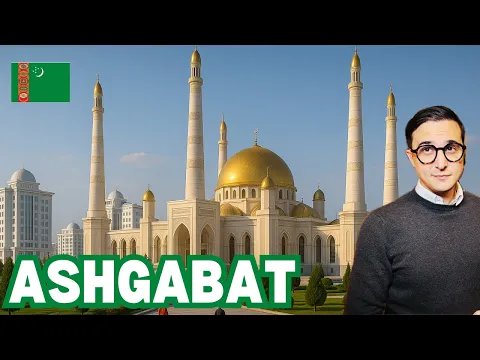
Located in Central Asia, Ashgabat was already known even before the car rule for its unique appearance.
The city boasts an impressive number of buildings clad in white marble, earning it a spot in the Guinness World Records as the capital with the highest concentration of this material in the world.
This almost futuristic look is reinforced by wide avenues, grand monuments, and urban spaces designed to make an impact.

Close to the city, another contrast catches the eye: the famous gas crater known as the “Gateway to Hell”, which has been burning continuously for over five decades, attracting curious visitors from all over the world.
How the Ban on Colorful Cars Originated
The origin of the rule dates back to the government of Gurbanguly Berdimuhamedow, who presided over the country from 2006 to 2022.
In 2015, the first measure determined the blockage of black car imports, paving the way for a visual standardization in the capital’s traffic.
Three years later, in 2018, the restriction was expanded: only white vehicles or, in some cases, silver ones were allowed on the streets of Ashgabat. Cars of other colors were no longer legally permitted.
According to reports published by the newspaper El País, authorities even seized non-compliant vehicles, releasing them only after owners signed a formal commitment to repaint them.
The Explanations Never Officially Confirmed
Despite the impact of the measure, no detailed official justification has been released by the government. This opened space for various interpretations and speculations both inside and outside the country.
One of the most widespread theories claims that Berdimuhamedow was superstitious and believed that the color white symbolized luck, purity, and prosperity.
Another hypothesis points to practical factors: in a country with extreme temperatures, light-colored cars would absorb less heat than dark vehicles.
There are also those who associate the decision with the personal preference of the former president, known for showing a preference for the color white at public events and official symbols.
Direct Impact on the Lives of Residents
Regardless of the motivation, the rule caused immediate effects on the local economy.
Workshops and painting services have experienced high demand for repainting, significantly raising service prices.
For many residents, adapting to the norm became a matter of necessity, as driving outside the standard can result in fines and vehicle impoundment.
Thus, white ceased to be an aesthetic choice and became a legal requirement.

The Rule Remains Even After Change of Power
In 2022, Gurbanguly Berdimuhamedow stepped down as president, handing over the country’s leadership to his son, Serdar Berdimuhamedow.
Despite the power transfer, the policy on white cars has remained intact.
Today, Ashgabat continues to display streets filled with vehicles of the same color, reinforcing the unique visual identity of the Turkmen capital and showing that the change in leadership did not alter this aspect of urban life.
With its gleaming architecture, nearly flawless avenues, and uniformly white traffic, Ashgabat gained international fame as a “staged city”.
For many visitors, the capital appears more like a giant model than an inhabited metropolis.
While it sparks curiosity and strangeness outside the country, life in Ashgabat goes on as usual—as long as everything remains within the permitted tone. After all, there, even the car color is part of the law.





Maluquice de um provável Despota, não esclarecido.