






 Portuguese
  Spanish


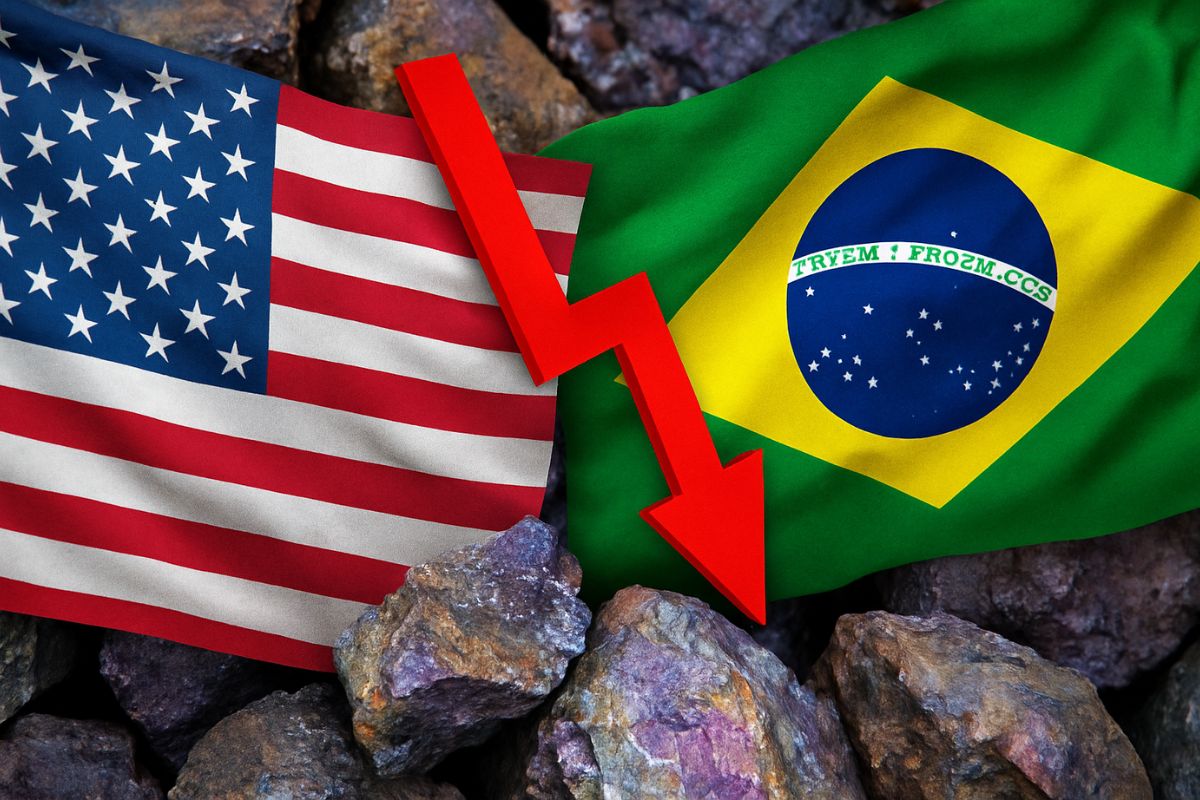

American Interest In Strategic Minerals Reignites Global Dispute With China And Pressures Brazilian Sovereignty Over Its Reserves
The recent stance taken by the White House, expressing direct interest in Brazil’s rare earths, has raised alarms in Brasília. The statement came from a representative of the Donald Trump administration, who suggested the possibility of negotiating access to the minerals in exchange for reducing tariffs on Brazilian products.
President Lula’s response was immediate: he reaffirmed that the resources belong to Brazil and advocated for respect for national sovereignty. But why, after all, are the United States so interested in these strategic chemical elements?
What Are The Rare Earths Of Brazil — And Why Do They Matter?
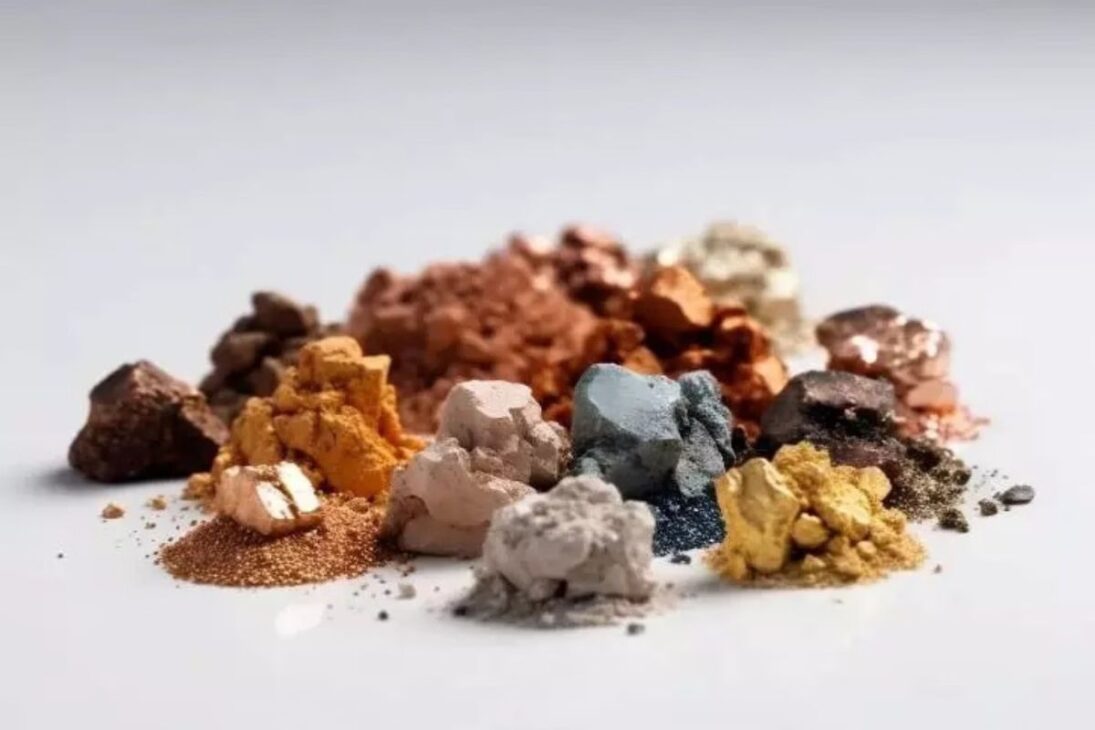
Rare earths are a group of 17 chemical elements essential for modern technologies such as electric car batteries, wind turbines, guided missiles, satellites, and even space telescopes. Despite the name, these elements are not rare in themselves but occur in dispersed concentrations and are difficult to extract economically.
-
Brazil’s 2026 Tax Refund: Record 9.58 Million Filers in Largest Payout Ever, But a Key Detail on Priority Recipients Draws Nationwide Attention

-
Itaú Alters Hybrid Work Model, Increasing Office Days from 2028, Prompting Employees to Adjust to New Routine
-
Facing Labor Shortage, Japan Plans to Invest $34 Million to Attract Foreign Workers in Construction, Healthcare, Industry, and Commerce

-
Brazilian City Makes Remarkable Leap, Becomes 4th Wealthiest in the Country with GDP of R$ 134.1 Billion




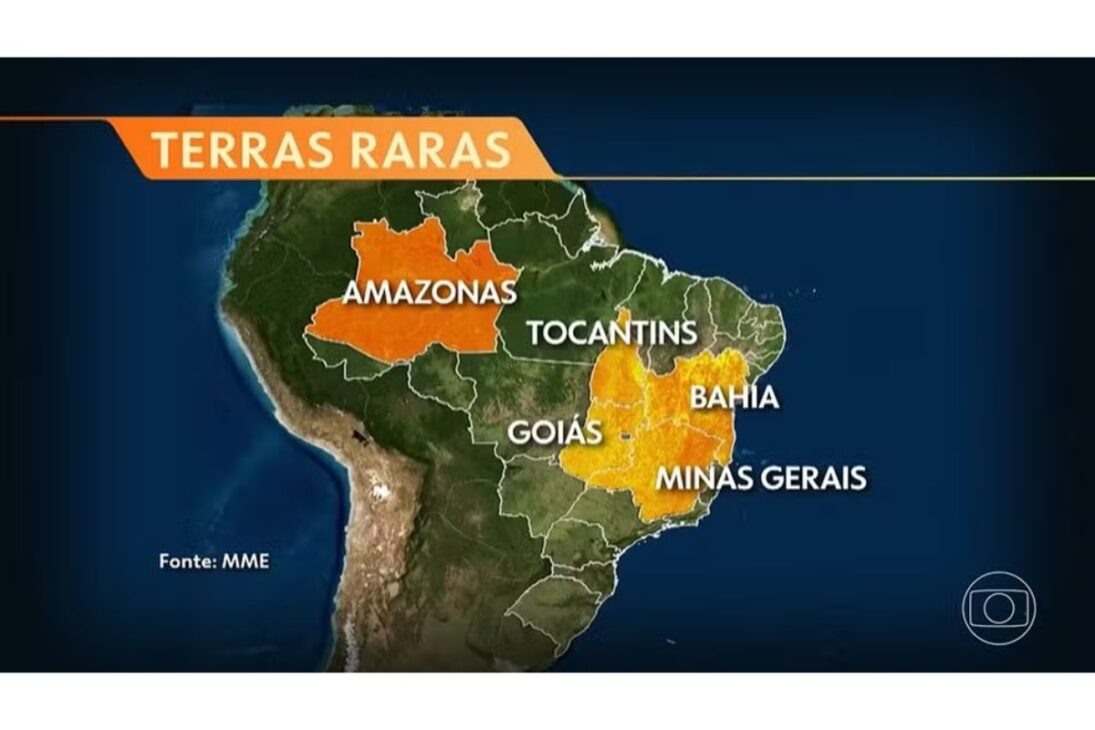
According to the U.S. Geological Survey (USGS), Brazil has the second-largest global reserve of rare earths, trailing only behind China. It is estimated that 21 million tons reside in Brazilian soil, particularly in the states of Amazonas, Goiás, and Minas Gerais. However, Brazil’s share of global production is only 1%, indicating a massive untapped potential.
A Technological And Geopolitical War
The dispute over these minerals has a direct impact on economic tensions between the United States and China. Today, about 70% of rare earths in the global market come from China, which dominates not only extraction but also refining — a complex and expensive step that few countries master. In response to U.S. sanctions, Beijing has already threatened to limit the shipment of these materials to the West.
In this context, American interest in Brazil’s rare earths represents an attempt to reduce dependence on China and ensure a more secure supply chain. Trump’s proposal, still behind the scenes, would use the issue as bargaining chip to negotiate trade barriers with Brazil.
The Role Of Brazil And The Risks Of External Dependence
Despite having large reserves, Brazil still relies on technological partnerships to extract and process rare earths on a commercial scale. The lack of infrastructure and technological expertise prevents the country from turning its mineral potential into industrial advancement — a situation that could reinforce dependence on agreements with foreign powers.
According to the Ministry of Mines and Energy, the Brazilian government is studying models of international cooperation, but with a focus on adding value within national territory. The good relationship with China, the main party interested in maintaining mineral hegemony, may complicate the diplomatic game with the U.S.
Do you think Brazil should explore its rare earths with foreign support or invest in national technology to maintain sovereignty? Share your opinion below.









A direita abriu as pernas para o Adolf Trump. Lula que é o verdadeiro patriota
Prefiro que deixem tudo lá quieto, estão acabando com o planeta