Portuguese
  Spanish


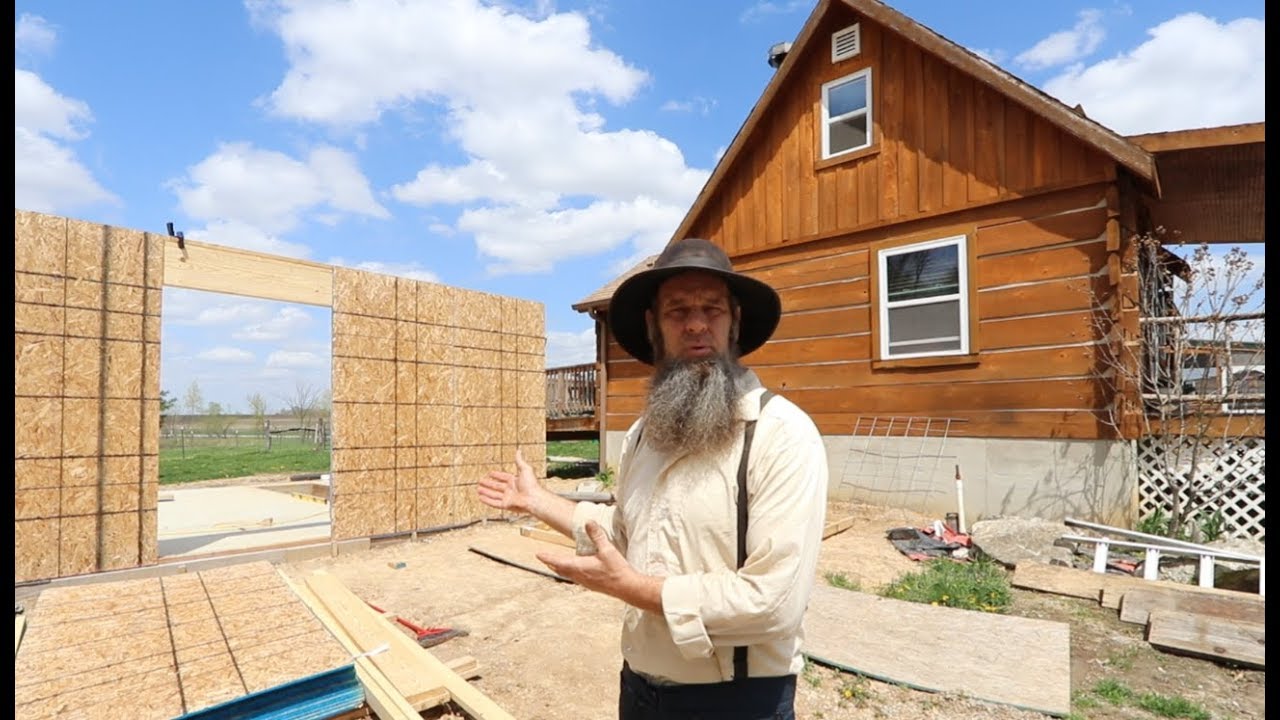


In 2010, Couple Sold Everything, Quit Their Jobs, and Started Living Without Electricity or Plumbing on 11 Acres in Missouri, Building Cabin from Scratch.
In 2010, Doug and Stacy Colbert made a decision that most people consider crazy. They sold their 2,800 square foot home in the city. They sold all their furniture. They left stressful corporate jobs. And they bought 11 acres of land in rural Missouri in cash, without debt, to build a wood cabin and live as their great-grandparents did in the 19th century. No electricity. No municipal plumbing. No refrigerator. No Netflix. No air conditioning.
Just wood, rainwater, fire, and their own hands. The most impressive part? Doug had no construction experience. He had never raised a wall in his life. But he thought, “If pioneers could do it in the 19th century, why can’t I?”
And in 90 days, Doug built a wooden cabin of 800 square feet using logs cut from their own land, techniques he learned from old books, and brute strength. Today, more than 1 million people follow the couple on YouTube to learn how to live without electricity, grow their own food, and escape the stress of modern life. And Doug and Stacy have no plans to go back.
-
Brazilian Mayor Goes Undercover as Homeless for 24 Hours to Assess Public Services

-
15-Year-Old Entrepreneur Malu Lira Publishes 20 Children’s Books on Financial Education, Earns $500,000, and Expands Her Project to the Amazon Rainforest
-
Entrepreneur Turns Rio Cemetery Canteen into a Successful Snack Chain Generating $4.9 Million Annually and Expanding to Metro Stations

-
Rare fox feared “extinct” found alive on Caribbean island after over two decades without official sightings




The Life That Was Slowly Killing Them, According to Their Own Words
Doug worked in sales. Stacy was a holistic life coach with 30 years of experience in health and nutrition. From the outside, they looked successful.

But inside, they were dying slowly. Big house = huge bills. Corporate jobs = chronic stress. Processed food = deteriorating health. They lived exhausted, sick, in debt, and without time for each other.
Stacy describes: “We were like most people, stressed out, eating toxic food, living in debt, and getting sick all the time.”
Doug adds: “We had too many bills, a house that was too big, spent too much time apart, and bought all our food from supermarkets.”
They tried to ignore it. They tried to adapt. They tried to “accept that life is just this way.”
But in 2010, something clicked. They realized they didn’t have to live that way. So they made the most radical decision of their lives: to sell everything and start from scratch.
90 Days to Build a Cabin Without Knowing Anything About Construction
Doug was not a carpenter. He was not an engineer. He had no experience in construction. But he had something more important: obsession.
He devoured books on 19th-century pioneer construction techniques. Watched old videos. Studied historical cabins. Talked to people who still lived the old way. And then, with basic hand tools, he started to build.
First, he felled trees from their own property. Next, he stripped the logs. Cut the beams. Raised the walls, log by log, fitting each piece like a giant wood puzzle. He didn’t use industrial nails excessively. He didn’t use modern cement. He used techniques that worked 200 years ago and still work today.
In 90 days, the cabin was ready. 800 square feet. Two bedrooms. Kitchen. Living area. An attic for sleeping accessible by ladder. All handmade. All functional. All without electricity.
When visitors enter the cabin for the first time, the reaction is always the same: “It feels like I traveled back in time.”
How to Live Without Electricity in the 21st Century
The question everyone asks: “How do you live without electricity?”
The answer surprises. Doug and Stacy don’t use solar panels. They don’t use wind turbines. They don’t use diesel generators. They simply… don’t use electricity.
Lighting: Oil lamps and kerosene candles. At night, the cabin is bathed in warm, golden light, the same kind of light Abraham Lincoln used to read.
Food Refrigeration: They don’t have a refrigerator. They use a root cellar where the natural temperature of the earth keeps food fresh. They ferment vegetables. They make preserves. They smoke meat.
Heating: Lehman’s Pioneer Princess wood stove, a replica of 19th-century stoves. It heats the house in winter and is used for cooking.
Hot Water: Heated on the wood stove.
Kitchen: Everything on the wood stove. No microwave. No electric toaster. No blender. Just cast iron pots, fire, and patience.
Bathroom: Composting toilet with zero water waste, zero connection to municipal sewage.
Water: Rainwater catchment system with 3,000-gallon tanks. The water is filtered and gravity-fed to the cabin. They have never paid a water bill.
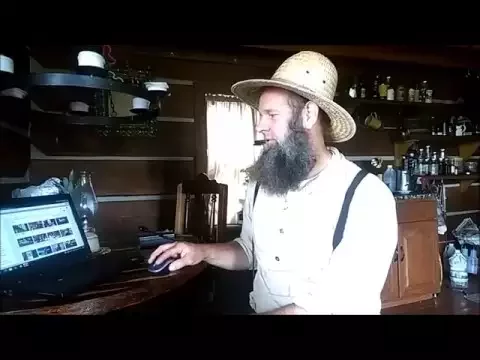
And YouTube? How do they maintain a channel with 600,000 subscribers without electricity? Here’s the clever trick: They charge the laptop with the car battery. Yes. Doug plugs the laptop into the car inverter, edits the videos, uploads, and unplugs. Simple. Functional. No electricity bills.
Stacy jokes: “People ask how we make videos without electricity. The answer is: creativity.”
What Do They Eat When There Are No Supermarkets?
Doug and Stacy grow most of their own food. In the garden, they grow:
- Seasonal vegetables (tomatoes, pumpkins, beans, potatoes)
- Medicinal and culinary herbs
- Fruits (when in season)
On the land, they raise:
- Chickens — for fresh daily eggs
- Goats — planning to add for milk
- Horses — for transportation and work on the land
They ferment vegetables (sauerkraut, kimchi), make jams, dry herbs, smoke meat, and store everything in the root cellar.
They don’t have a refrigerator. And they don’t miss it. Stacy, with her 30 years of experience in nutrition, teaches on the channel how to cook from scratch homemade bread, butter, yogurt, cheese, preserves.
“When you are closer to your food, when you plant, harvest, prepare with your own hands… you eat better. You feel better,” says Stacy.
And it works. They both report that they stopped getting sick after changing their lifestyle.
What Changed in Their Health
One of the reasons Doug and Stacy refused solar panels was not just cost. It was health.
Stacy, as a holistic health expert, researched the effects of “dirty electricity,” low-frequency electromagnetic fields emitted by electrical wiring, appliances, and WiFi networks. Studies suggest constant exposure can cause:
- Insomnia
- Chronic fatigue
- Headaches
- Anxiety
After five years without electricity, Doug and Stacy noticed dramatic changes:
“Our vitality increased. Our energy improved. We stopped getting sick all the time,” reports Stacy.
They sleep better. They wake up more refreshed. They no longer have chronic headaches. Is it placebo? Is it coincidence? Or is it real? They don’t know for sure. But they know that they feel better now than they did in the city. And that, for them, is proof enough.
The YouTube Channel That Became a Phenomenon
In 2010, when Doug and Stacy moved to the cabin, they created a YouTube channel called “Off Grid with Doug and Stacy”.
The original idea was simple: document their journey for friends and family who thought they had gone crazy. But something unexpected happened.
Thousands of people started watching. Then tens of thousands. Then hundreds of thousands. Today, the channel has over 1 million subscribers and millions of views.
Why? Because people are tired. Tired of bills. Tired of debt. Tired of soul-draining jobs. Tired of living stressed, sick, without time for family.
And Doug and Stacy show that there is another way. The videos cover everything:
- How to build a chicken coop for $50 in 1 hour
- How to make soap from scratch
- How to preserve food without a refrigerator
- How to live on $500/month
- How to build a root cellar
- How to raise chickens
- How to plant a productive garden
And everything filmed in their cabin, without electricity, edited on a laptop charged in the car.
The comments are revealing:
“You inspired me to quit my job and buy land.”
“I watch your videos and cry because I remember life doesn’t have to be so complicated.”
“I’m 62 years old and you gave me the courage to start over.”
Doug and Stacy do not sell illusions. They show the reality — the hard work, the mistakes, the challenges, the small victories.
And that’s precisely why people trust them.
The Challenges That No One Talks About
Living like a 19th-century pioneer in the 21st century is not easy.
Winter in Missouri is brutal. Temperatures drop below freezing. Snow accumulates. The wood stove needs constant feeding. If the wood runs out, you freeze.
Summer is suffocating. Without air conditioning, the cabin turns into an oven. They use cross ventilation, strategic shade, and simply… endure.
There’s no magic button. Want hot water? Heat it on the stove. Want clean clothes? Wash by hand or in a manual machine. Want food? Plant, harvest, prepare.
Storms cut access. When it snows heavily, they can be isolated for days. No Amazon delivering. No Uber Eats. No hospital 5 minutes away.
Animals take work. Chickens need to be fed every day. Eggs need to be collected. Chicken coops need to be cleaned. There’s no “day off.”
And sometimes they mess up. Doug shares about the first root cellar he built — which collapsed after heavy rains. He had to rebuild from scratch.
Stacy talks about entire batches of preserves that spoiled because she got the recipe wrong.
But they persist. Because, in the end, the benefits outweigh the challenges.
The Impact They Make
Doug and Stacy receive thousands of messages each year. People saying they quit corporate jobs. People saying they bought land. People saying they started gardens. People saying they got out of debt. People saying they stopped taking anxiety medication.
Do They Make Money?
Yes. And they are transparent about it.
Sources of income:
- YouTube ads (main source)
- Merchandise sales (t-shirts, mugs with the channel logo)
- Speaking engagements at homesteading conferences
- Partnerships with like-minded brands (tools, seeds)
But they haven’t gotten rich.
They live with much less than they did in the city. They don’t have a new car. They don’t travel abroad. They don’t buy unnecessary things.
The money that comes in is reinvested in the property, used to help other homesteaders, and saved for emergencies.
“We don’t need much money when we don’t have bills to pay,” says Doug.