Portuguese
  Spanish


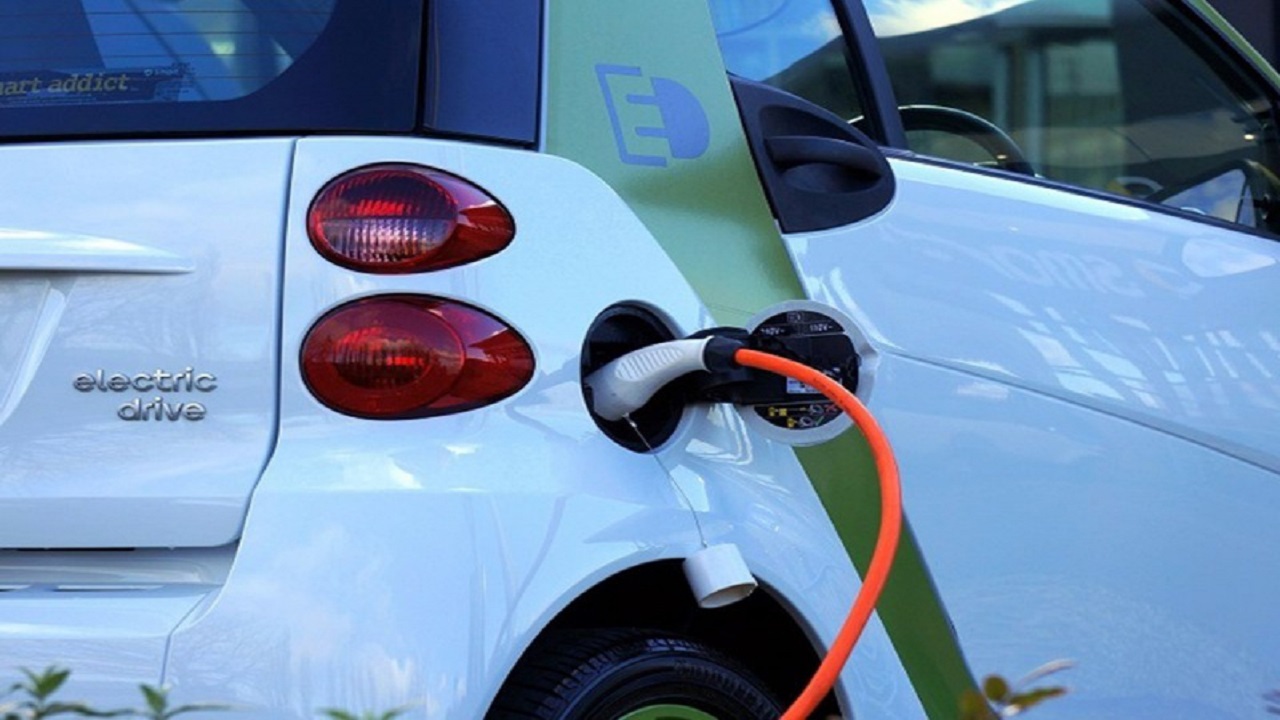

Celesc Closes Partnership with the Federal Institute of Santa Catarina to Convert Public Fleet Combustion Cars into Electric Cars
Celesc is working on the development of the ConverTE project, which is addressing the possibility of converting combustion-powered public fleet cars into electric cars. Among the main objectives of this project is the testing phase to assess the feasibility of this transformation, to contribute to the formulation of legislation aimed at minimizing environmental impacts. This project is being carried out in partnership with the Federal Institute of Santa Catarina (IFSC) and the Foundation for Teaching and Engineering of Santa Catarina (FEESC).
See Also
Celesc’s ConverTE Project Promises to Accelerate Electric Mobility
Celesc invested about R$ 5.4 million in the project, in addition to R$ 1 million from the investment by the Brazilian Company of Research and Industrial Innovation, Embrapii.
The Innovation Hub in Intelligent Energy Systems of the Federal Institute of Santa Catarina (PE/IFSC) also made an investment in the project, totaling R$ 330 thousand.
-
2027 Toyota Corolla Cross Unveiled: New Design, Enhanced Fuel Efficiency, Reduced Maintenance Costs, Advanced Technology, Connected Services, and Up to 10-Year Warranty

-
Fiat Cronos Precision 2018: Affordable Sedan with Spacious Trunk and Reliable Maintenance
-
Volkswagen to Cut Production by 1 Million Cars by 2030, Reducing Jobs and Platforms, Focusing on More Profitable Models

-
Toyota Launches First 100% Electric Car in Brazil: bZ4X with 343 HP, All-Wheel Drive, 361 km Range, Priced at $419,990 BRL, Limited to 99 Units




The project was officially named ‘Insertion of Electric Vehicles in Public Fleets, through the Conversion of Combustion Vehicles to Electric Traction’. All development and study of this project began in mid-October 2020, with a completion forecast of three years.
Inauguration of the Charging Station in Florianópolis, Santa Catarina
Last Tuesday, the 14th, the inauguration of a charging station in Florianópolis took place at the Legislative Assembly of the State of Santa Catarina (ALESC), along with the loan delivery of the Electric Car Zoe, to conduct a survey on the user profile of the future public fleet of the state.
The delivered vehicle is from the lineage of the French manufacturer Renault; however, it is not one of the electric cars converted from the project, but rather a vehicle from one of the factory electric car lineages.
The initial intention is for ALESC staff to use the Renault Zoe model and adapt during this first phase of testing. Afterward, with the project well underway, the goal will be to convert at least five vehicles initially.
Concern About Reducing Emissions and Environmental Preservation
During the inauguration of the charging station in Florianópolis, the project manager, Lauro Fernando Lacerda Junior, who is part of the Division of Transport and Travel/Department of Administration of Celesc Distribution, emphasized that all these measures being taken, along with the gradual integration of electric cars into the public fleet, greatly contribute to reducing costs for entities that deal with transporting employees and goods.
The manager also stated that one of Celesc’s priorities is to help reduce the environmental impacts caused by combustion-powered vehicles, which emit CO2 and other greenhouse gases.
The team of researchers involved in this Celesc project is composed of Alessandro Pedro Dadam, Bruno Cordeiro Clasen, Diego Ferreira e Silva, and Luiz Henrique Rafael, in addition to the P&D program manager Thiago Jeremias and the area collaborators, such as Luiz Afonso Pereira Athayde Filho and Maria de Lourdes Guimaraes Machado. From IF de Santa Catarina, a total of 16 researchers from the Florianópolis campus, who work under the coordination of Professor Adriano Bresolini, are involved.